1 x
$8.42
-
+



You survived basic training. Now it’s off to the exciting journey that is your military career. There are a lot of moving parts you’ll have...

You survived basic training.
Now it’s off to the exciting journey that is your military career. There are a lot of moving parts you’ll have to take care of post-basic training to get started on the right foot.
Once you’re settled into your new command where you’ll finish even more training, there are a few important tasks you’ll want to do ASAP — like forwarding your mail.
Unsure of where to start?
Here are 8 things you will want to be sure to do after basic training graduation:
If you want to get paid on time and properly, you’re going to need a bank account. You’ll probably want to open both a checking and savings account. Find a bank that has good customer service along with the option to use your account internationally — a must for deployments.
[optin-monster-shortcode id=”wqabjdpxgas9bith2bki”]
A few banking/savings account tips:
Don’t forget: Update any direct deposit information in your Defense Finance and Accounting Service (DFAS) account. If you want to switch banks or have never had an account, you’ll want to make sure this is up-to-date so you don’t miss a paycheck.
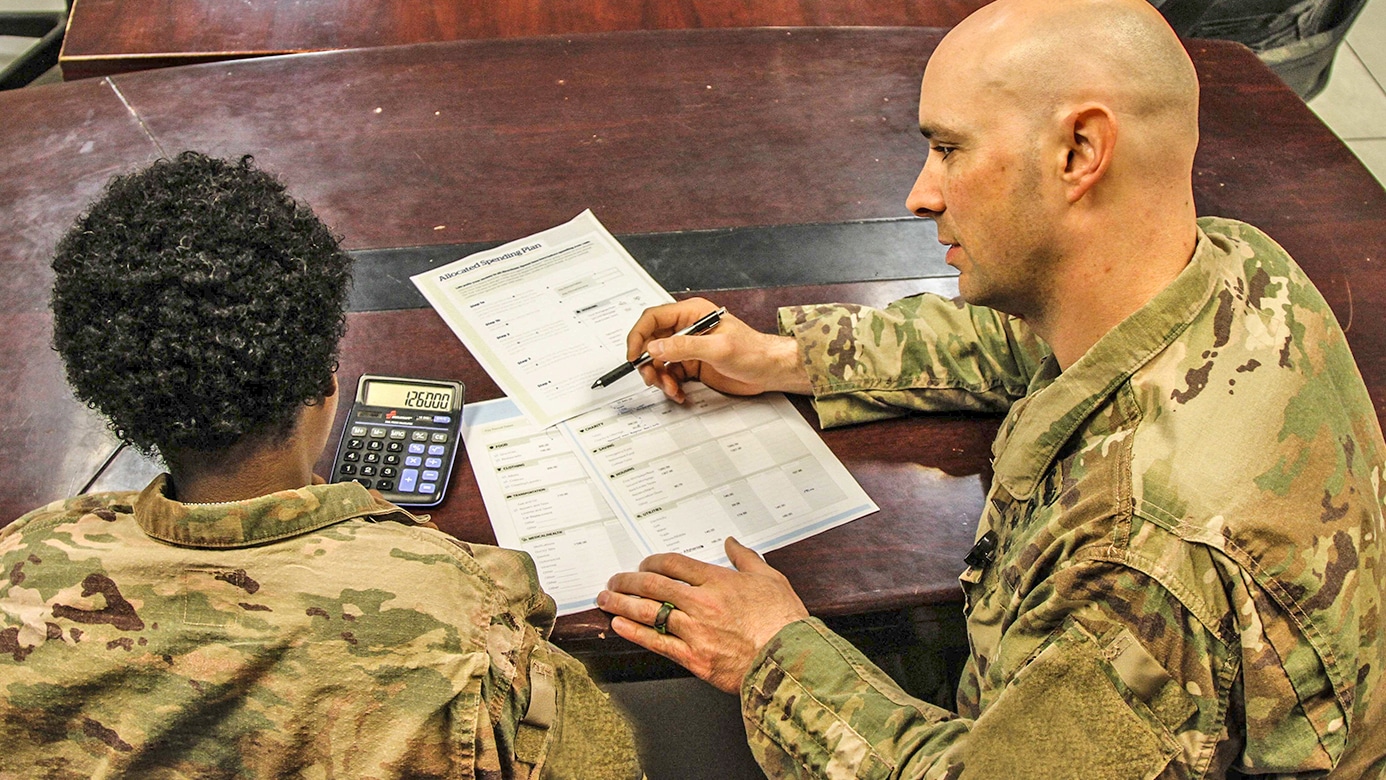
If you’ve never had to make a financial budget, welcome to Adulting 101. If this is your first real job or career out of high school, you’ll want to learn how to create a budget and stick to it. Those sign-on bonuses go quickly if you’re not careful. A good budget can help you see where all your money is going each month. It’s an opportunity to be mindful of how you want to pay off any debt, build up your savings, and pay for future investments like a home.
A few budgeting tips:
Don’t forget: Most senior military leadership will tell you the years go by faster than you think. Work on financial planning now and consider your financial well-being when you end your military career.
It’s very much a reality in the military that your paycheck may not always be right. If you notice anything amiss prior to leaving basic training, ask for clarification. From the start, it’s very important to know how to use the online Defense Finance and Accounting Service (DFAS) system. Through DFAS, you can find updated basic pay charts, per diem changes, travel pay, and more. You can log into MyPay through DFAS to check your pay.
A few tips on getting paid:
Don’t forget: Make sure you understand your Leave and Earning Statement (LES). This is where you’ll look at earnings, deductions, and special pay for items like uniform allowance. It will also show if you’ve had pay deducted or have been overpaid.
Plan for retirement by signing up for the Thrift Savings Plan (TSP) as soon as you can. You can use both Roth or traditional TSP contributions. Traditional contributions are deducted pre-tax. Roth contributions are taken post-tax. Both options allow you to save for retirement without even thinking about it.
TSP tips to know:
Don’t forget: You’ll have to elect a minimum of 1% of your basic pay for either contribution option.

As a military member, you’ll get used to navigating the United States Postal Service website to update your mailing address. Once you know exactly where are you will be stationed post-basic training, go online to get all your mail forwarded. It costs $1.05 for each mailing address change you must do through the post office. The charge confirms your identity.
A few tips on updating your mailing address:
Don’t forget: Aside from updating your mailing address with the post office, make sure that you update every single personal account you have open. This includes all bills: cell phone, car insurance, credit card, retirement, etc.
Luckily, you don’t have to wait until you’re discharged from the military to start looking at additional training or using your educational benefits. If you have down time between duty stations or after your advanced training, you can use the time to complete certain education opportunities. Take advantage of programs like tuition assistance while you’re on active duty to get the most out of your benefits.
A few education benefits to consider:
Don’t forget: Not only can you benefit from the military’s educational benefits, your spouse can, too. My Career Advancement Account (MyCAA) offers up to $4,000 for military spouses to obtain a license, certification, and certain degrees.
Perhaps one of the biggest perks of being in the military is the low cost of healthcare known as TRICARE. Depending on your status and location, you may also get dental services as well. Whether you’re single or have a family, you’ll save a huge amount of money by using your healthcare benefit. The other fantastic insurance benefit service members have is life insurance — a must in your line of duty.
A few tips to take full advantage of your benefits:
Don’t forget: Any time you move, make sure that you update your address and emergency contacts listing at each new duty station. Additionally, look into taking advantage of the life insurance policies that are available to you. Don’t forget to designate a beneficiary!
As a general rule of thumb, don’t book any vacations more than a month or so out. There’s a good possibility that your command might change their mind on if you’re allowed to leave or not. If you do decide to book a vacation in advance, always opt for travel insurance to get a refund on your travel plans if you can’t leave. Additionally, make sure you check with your base’s Morale, Welfare and Recreation (MWR) office for discounted tickets for travel and attractions.
A few tips for getting the most out of leave time:
Don’t forget: Add a vacation line to your budget. When you carefully plan ahead, you can avoid overspending and potentially not having money for bills when you come back from vacation.
Training might be over, but your journey has just begun. And it’s filled with lots of not-super-fun -but-totally-necessary adult things to do.
While these may seem like little tasks that aren’t very important to handle right away, you’ll want to take care of these details quickly. Life gets busy after boot camp, and you wouldn’t want to push off something as important as life insurance paperwork.
Once you get these tasks out of the way, you usually don’t need to worry about any of it for a while. Updating your address, however, is one part of military life that will become second-nature to you. The same goes for remembering to check your LES each month.
While life after basic training gets crazy busy, you’re also about to launch into a new and exciting part of life: your new military career.
There may be some other things you’ll need to take care of that are command-specific, but these are the starting points for any new graduate to consider right away.
Is there anything we missed? Be sure to share in the comments below!



NEW! A community built for military families.