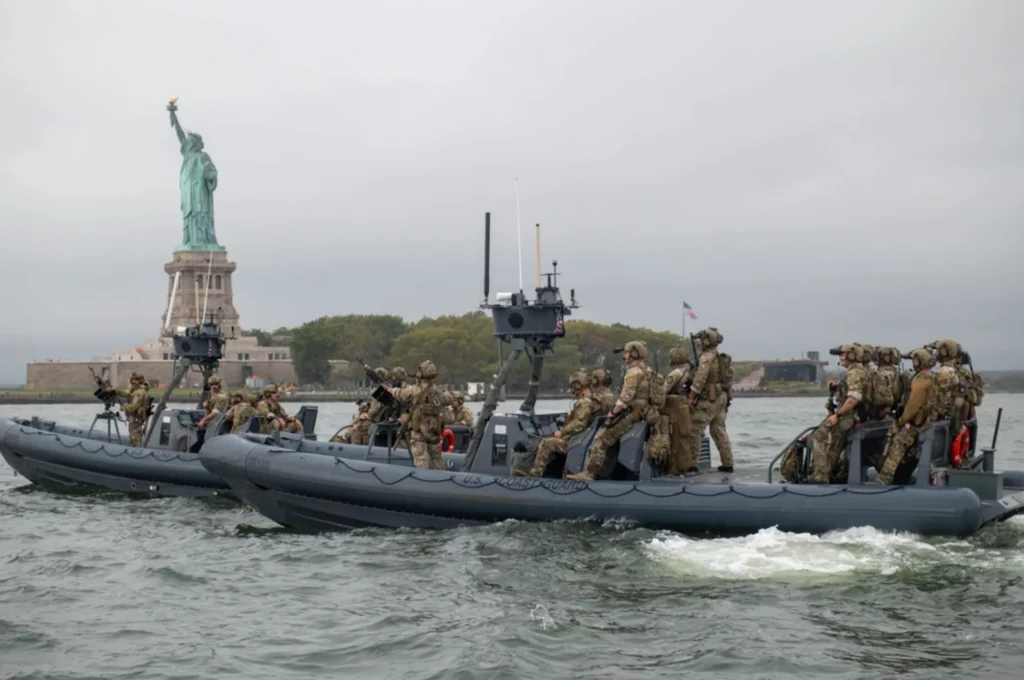
According to a May 6 press release from the U.S. Department of Homeland Security (DHS), come October 1, 2026, there will be a new SOF star shining brightly in the constellation of U.S. special operations forces. This one will be centered in Kearneysville, West Virginia, and belong to the U.S. Coast Guard.
On that day, the Coast Guard’s Special Missions Command (SMC) of the USCG will be commissioned in the service’s attempt to fully integrate its deployable special forces under a single operational commander. This will remove the current operational control of the component pieces of that force from geographical commands, or districts, placing them instead under the commander of SMC.
This is the same type of transformation that the other service branches of the U.S. military underwent when U.S. Special Operations Command (USSOCOM) was created back in 1987.
The lesson learned back then for the Army, Navy, Air Force, and (later) Marines, was that SOF units needed a single, permanent command that would ensure their readiness, training, supply, and deployment to operational commanders in the field.
“The geo-political landscape is evolving and the demand for Coast Guard Deployable Specialized Forces is at an all-time high,” said Capt. Robert Berry, Special Missions Command pre-commissioning team lead.
“These forces are instrumental to the Coast Guard’s readiness and its role as a global leader in maritime contingency response. The Service has always turned to its specialized forces to respond to national threats and disasters, and establishing this command is the natural next step to enabling our forces to lead the way at the tip of the spear,” Berry added.
Although not known by many, the Coast Guard has a handful of special operations units and bringing them under one command structure makes sense.
The specialized Coast Guard units that will fall under the new SMC are the following:
Maritime Security Response Teams
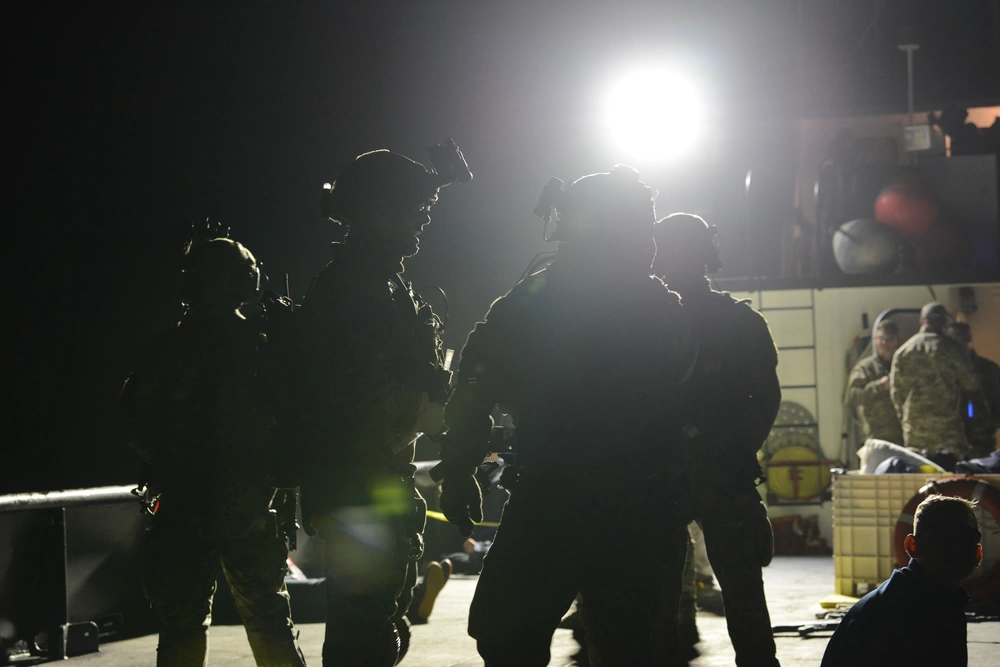
MSRTs are similar to SWAT elements. They undertake tactical, high-risk maritime counterterrorism and law enforcement missions. These can include boarding hostile vessels, hostage rescue, or other tactically complex and challenging operations. Maritime Security Response Teams operate at the higher end of the tactical spectrum.
Tactical Law Enforcement Teams
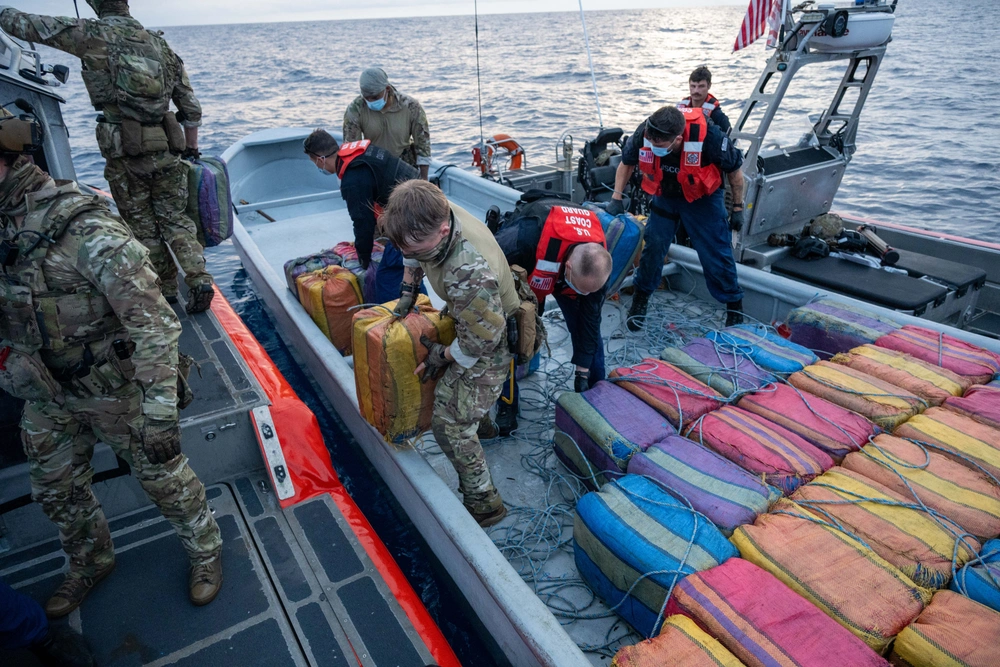
TACLETs, on the other hand, specialize in maritime law enforcement boarding and interdiction, such as counter-drug operations, security, or other missions at sea.
They may deploy on maritime vessels, sometimes those of the U.S. Navy or other partner agencies. TACLETs are not quite as tactically specialized as the MSRTs.
Maritime Safety and Security Teams
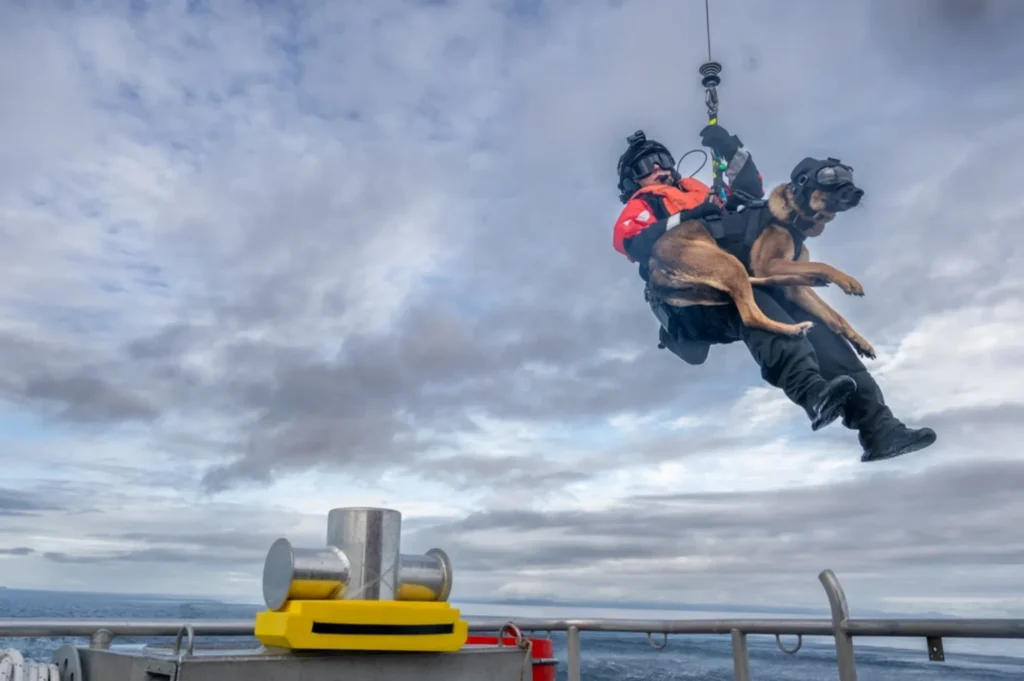
MSSTs’ main mission is protecting U.S. ports and waterways, or any special/major event taking place at sea. This can include force protection for the military, as well as disaster response related to U.S. maritime infrastructure.
MSSTs also have K-9 teams as part of their capabilities and engage in ship boarding as well.
Related: Preparing For Coast Guard Boot Camp
Port Security Units
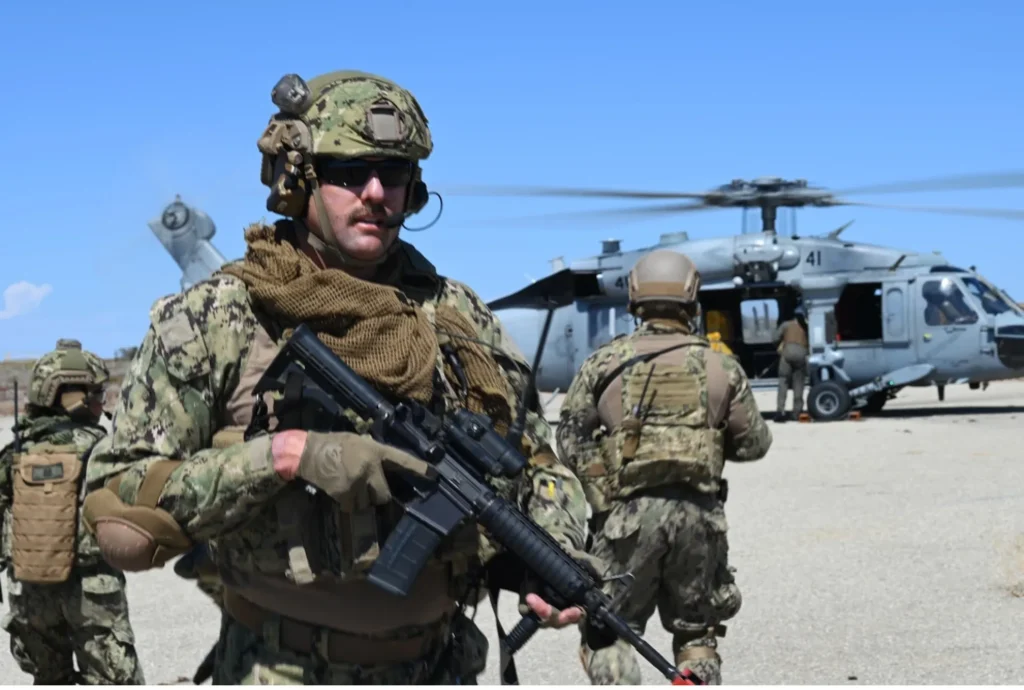
PSUs are deployable (or expeditionary) security forces, that can travel worldwide to provide protection at ports, harbors, bases, or other critical waterfront infrastructure. This can include supporting military operations overseas by providing security.
Regional Dive Lockers
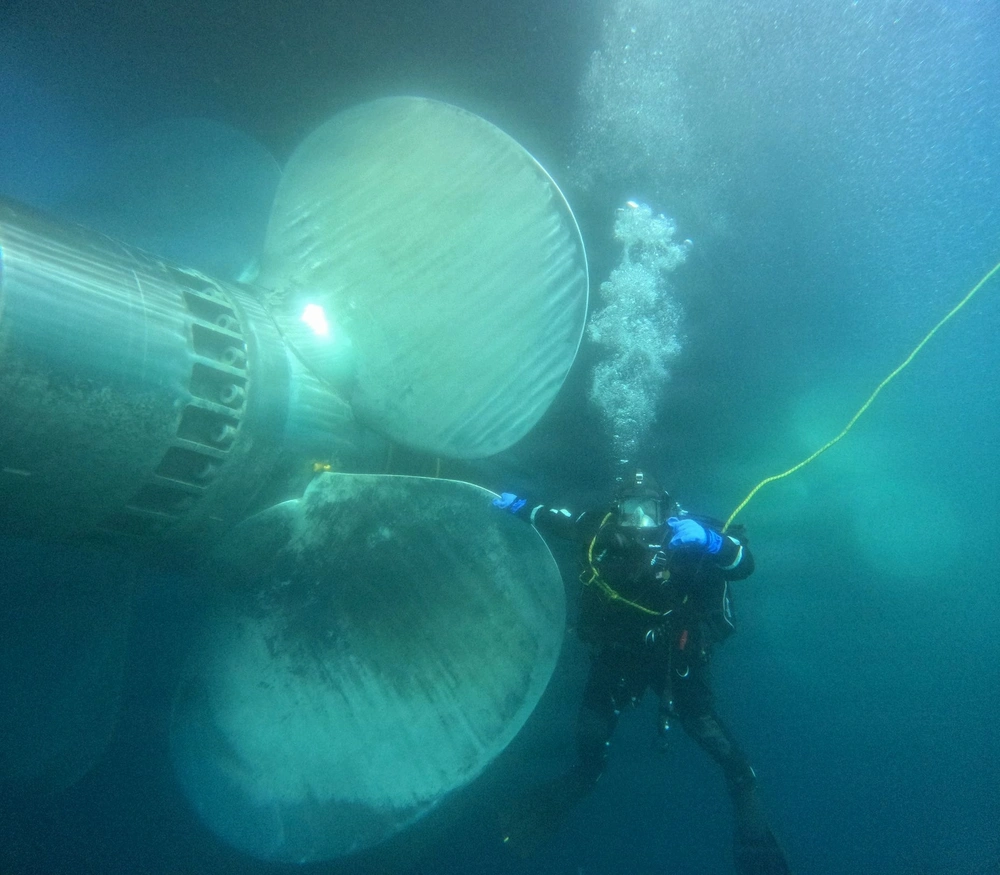
Just as the name implies, these are the dedicated diving units that carry out USCG underwater missions. These can include salvage operations, maintenance of maritime navigational aids, or hull inspections, to name a few.
Related: Tougher-than-nails Coast Guard rescue swimmers describe daring rescues
National Strike Force

Finally, and undoubtedly with the coolest name, the National Strike Force is the Coast Guard’s hazardous materials response unit. It responds to oil and chemical spills, for example, and any other type of hazardous substance emergency.
Curiously, the Coast Guard’s SMC restructuring does not appear to affect its rescue swimmers, nor some air assets that might be considered by some to be “SOF” in nature.
However, like sectors, cutters, stations, and air stations, which are also left unaffected by the change, one should think of rescue swimmers as part of the “conventional” side of the U.S. Coast Guard. All the latter operational units execute the core USCG missions: saving lives, enforcing maritime law, and protecting U.S. ports and waterways.
Feature Image: Two U.S. Coast Guard Maritime Security Response Team (MSRT) crews stand overwatch aboard rigid-hull inflatable boats (RHIB) near the Statue of Liberty in the New York Harbor, New York, Sept. 25, 2025. The teams maintained a high-visibility security presence in support of maritime operations during the U.N. General Assembly. (U.S. Coast Guard photo by Petty Officer 3rd Class Marco Gutierrez Rosales)
Read more from Sandboxx News
- Training and preparing for Delta Force Selection and Assessment
- Air Force underestimates aircraft maintenance delays, government watchdog finds
- 7 weird and rare military jobs that you won’t believe exist
- America and its allies conduct rare anti-ship operation to prepare against China in the Pacific
- Frosted misery: A Navy SEAL in Survival, Evasion, Resistance, and Escape School