The U.S. Navy just awarded Raytheon nearly $23 billion to ramp up production of Tomahawk cruise missiles. Yet, with companies like Anduril pumping out cruise missiles for as little as around $150,000 per weapon, some might ask why is the U.S. even buying million-dollar Tomahawks anymore.
With American stockpiles of precision munitions dwindling throughout combat operations against Iran, there has been a renewed push to ramp up weapons production, especially for much lower-cost systems that can be fielded in much higher volumes.
To some, it might seem as if cruise missile technology has matured to the point where these weapons can now be produced much more quickly and for lower costs than they ever were before. But reality is never that simple, and when it comes to weapon acquisitions, that take completely misses the mark.
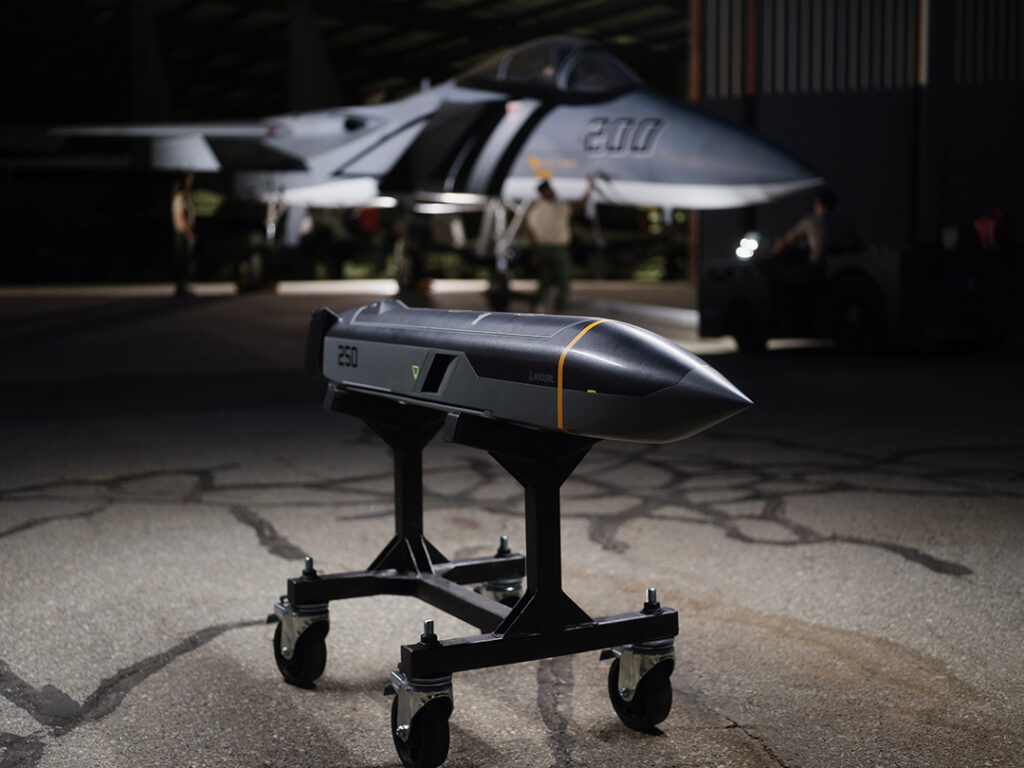
Low-cost weapons, like Anduril’s Barracuda line, are certainly going to have a massive impact on the way America fights wars. However, the Barracuda, and weapons like it, won’t entirely replace the Navy’s Tomahawks or the Air Force’s JASSMs – that’s not what they’re meant to do: Instead, their job is to offer complementary capabilities at higher volumes and lower costs in order to operate alongside those supremely capable top-end weapons.
Many in the public sphere fall pray to “spec sheet syndrome,” which sets in when you choose a few flashy metrics, like maximum range and payload, and then use them to compare systems across price points.
For example, consider Ukraine’s FP-5 Flamingo missile versus America’s Tomahawk.
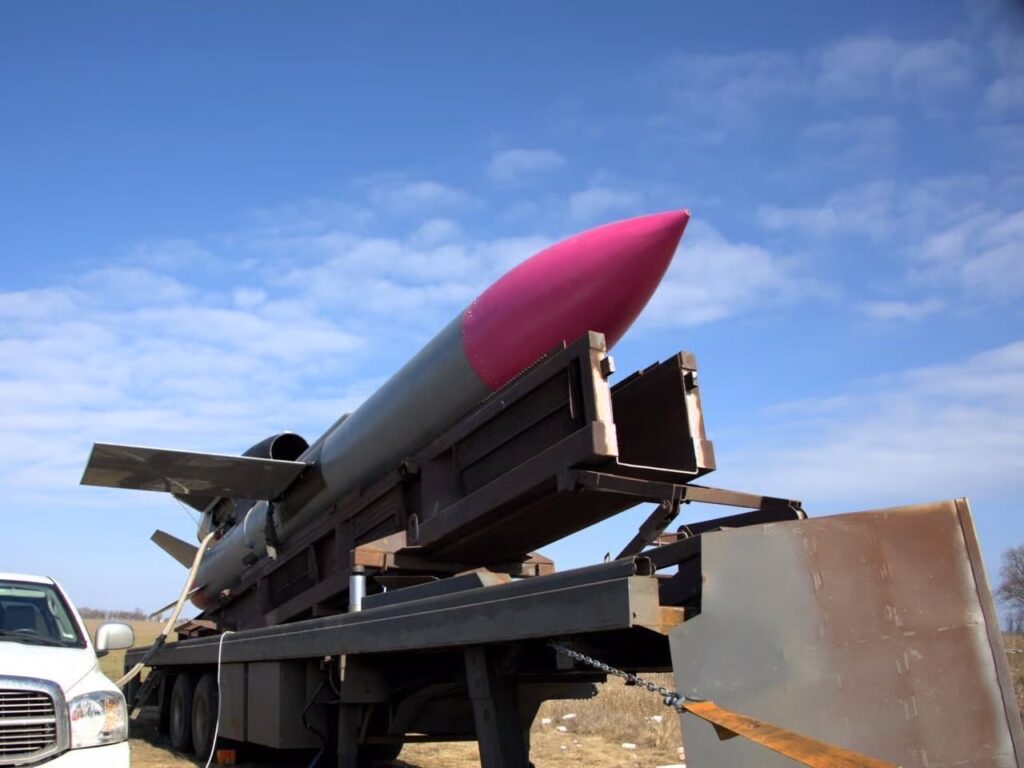
The FP-5 has a reported range of 1,900 miles, carrying a massive 2,540-pound warhead, all for a price that’s estimated to be between $500,000 and $850,000. The Tomahawk, on the other hand, has a disclosed range of only around 1,550 miles and carries a 1,000-pound warhead, while costing between $1.5 and $2.5 million per weapon.
So, Ukraine’s missile can fly more than 20% farther, while carrying more than twice the weight, for what could be less than half the price. But that’s not the full picture.
The Flamingo is a massive weapon: it weighs 13,000 pounds; is more than 40 feet long; and has a wingspan that’s closer to the F-16 than the Tomahawk. It’s meant to go far with a big warhead on the cheap, and it does that.
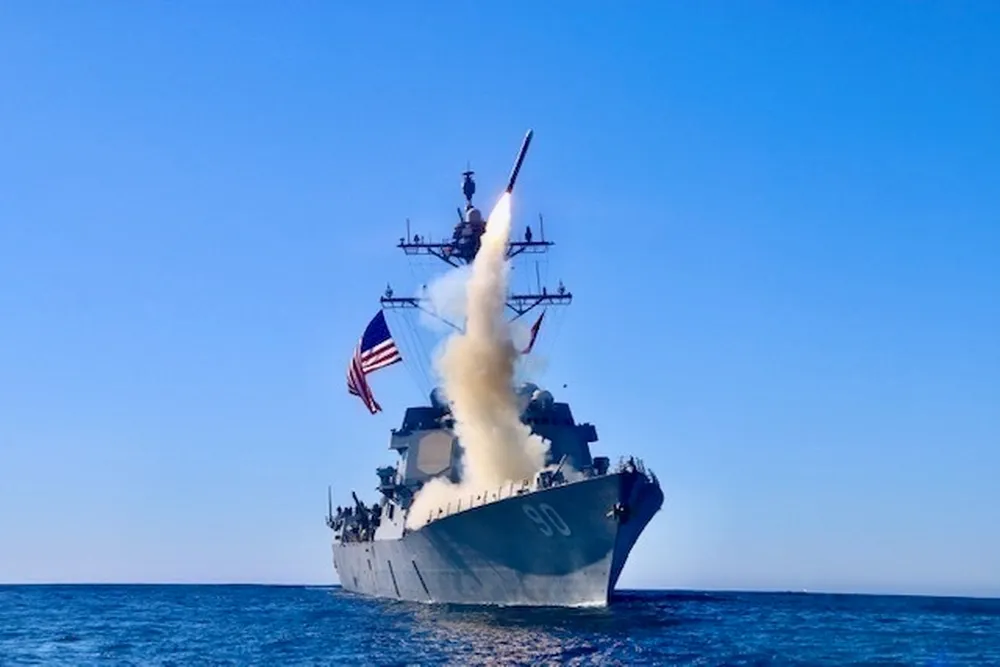
In contrast, modern Block V Tomahawks are 75% lighter, 50% shorter, and deliver a wide range of capabilities that Flamingos don’t. (For example, they can loiter over a target area waiting for the target to appear; have a data link for receiving updated target info on the fly; a much more advanced onboard guidance suite that can operate amid jamming and electronic warfare; and a passive radar seeker so they can even hit moving targets like ships at sea.
They are both cruise missiles, but one’s a baseball bat and the other is a scalpel. They both have an important role in modern warfare – but it isn’t the same role.
“Low cost” nearly always means “lower capability,” and that isn’t a bad thing.
Low-cost and high-cost weapons work together better than they ever could apart, with cheap cruise missiles, like the Barracuda 500, flying out to similar distances as high-end JASSM-ERs, but carrying one-fifth the payload in a weapon that’s much more likely to be intercepted.
So, if you launch a half dozen stealthy JASSMs alongside a dozen cheaper Barracudas, your enemy will be so distracted trying to keep all those more detectable and cheaper weapons from making landfall that they might just miss those stealthy JASSMs sneaking on through on their way to the most heavily defended and valuable targets.
In a way, one weapon offers more volume; the other offers more precision.
In other words, the answer to America’s stockpile concerns isn’t buying cheap weapons instead of expensive ones: it’s buying both in appropriate numbers to do the jobs they’re built for.
Feature Image: Anduril’s Barracuda 100 missile. (Anduril)
Read more from Sandboxx News
- End of an era: Marines conducted final operational deployment of Assault Amphibious Vehicles
- A-10 Thunderbolt might be paired with AI and modern tech thanks to recent legislation
- Navy wants to equip its warships with Shield-AI’s X-BAT fighter drones
- Navy awards Raytheon massive $23 billion contract to speed up Tomahawk production
- Army expands its ‘Amazon-style’ drone marketplace to include bigger drones after initial success