The United States Navy just had a birthday. Each October 13th is celebrated as the founding of today’s American Navy, because on that day in 1775 the Second Continental Congress founded its forefather, the Continental Navy.
This year thus marked the Navy’s 251st birthday, signifying that the world’s preeminent maritime force made it through the first year of its second quarter-millennium.
Perhaps it is presumptuous to frame the birthday in terms of millennia. Fair enough. Whether the United States and its Navy can make it to 1,000 years is of course a preposterously difficult question to answer.
However, if the U.S. Navy does intend to reach its millennial birthday – and I assure you it does – it will have to continue to adapt to an ever-changing world. And, today, it’s facing four main challenges.
Technological changes
One would have to go back to the late 19th century, when warships transitioned from wood to iron, and finally steel, to find a comparable period of change in naval operations as profound as what we see today.
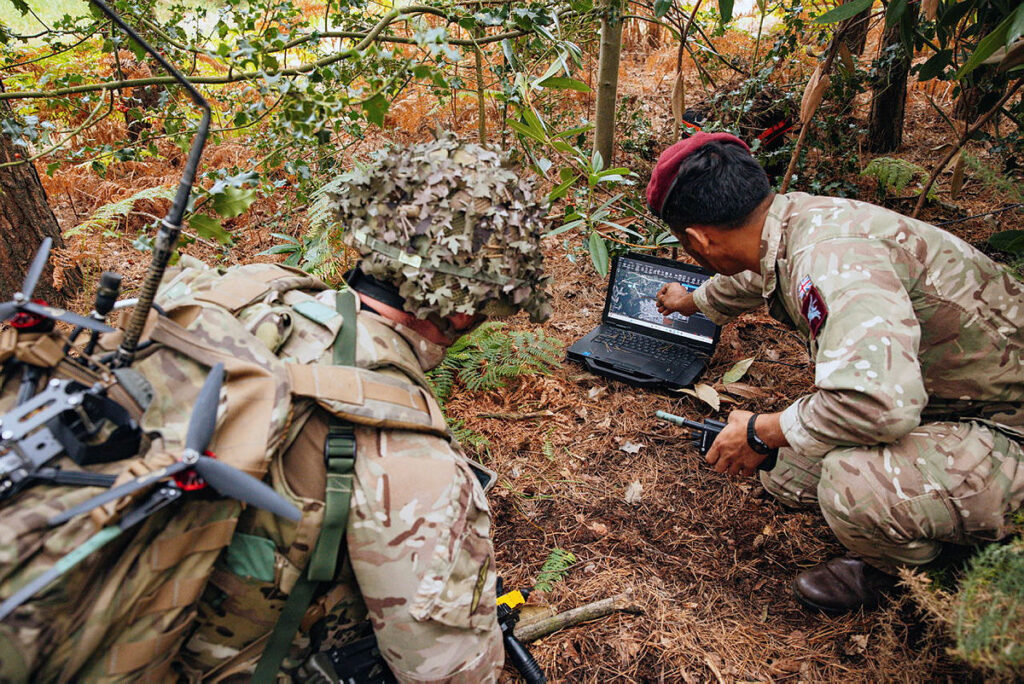
However, instead of an evolution in construction materials, today’s Navy is faced with a revolution in how ships are operated, distributed, and connected with each other. The age of drones and Artificial Intelligence (AI) is upon us.
The U.S. Navy appears to be meeting this challenge head-on, based on the available evidence, and is possibly already moving away – at least, in the sense of challenging established doctrine – from a reliance on large, powerful warship-centered battle groups.
Instead, there looks to be a move toward a combination of manned warships, swarms of uncrewed vessels, and vastly more sophisticated systems of sensors, software, and communications; all of which enabled and enhanced by ever-evolving AI. Grappling with and being at the forefront of this technological change is one of the Navy’s biggest current challenges.
Related: Navy wants its own AI-piloted drone fighters to put on aircraft carriers
International political changes

As opposed to the scope and speed of today’s AI-powered technological changes, changes in geopolitics and the international political order are as old as human history and tend to happen more glacially. Make no mistake, though, we are in the midst of the slow fade-out of the post-World War II international order.
The system erected by the victors in that war is teetering, as some of those same architects of the current system work to destabilize it. Russia has invaded its neighbors in Europe; China actively seeks to undermine the global dollar-based economic order; Europe struggles with how to come together as a unified global force; and the United States at times flouts international norms, rules, and practices that it itself established.
Political systems tend to crumble slowly over time, before they come to a (usually) cataclysmic end through war. The U.S. Navy has to live within this aging system, in which it has been the guarantor of the freedom of the seas for over 80 years.
The challenge it faces will be adapting to the end of the global order, in which it finds itself challenged more in its supremacy over the seas. It will of course be led by politicians in this doctrinal evolution, but evolve it surely must.
The rise of China
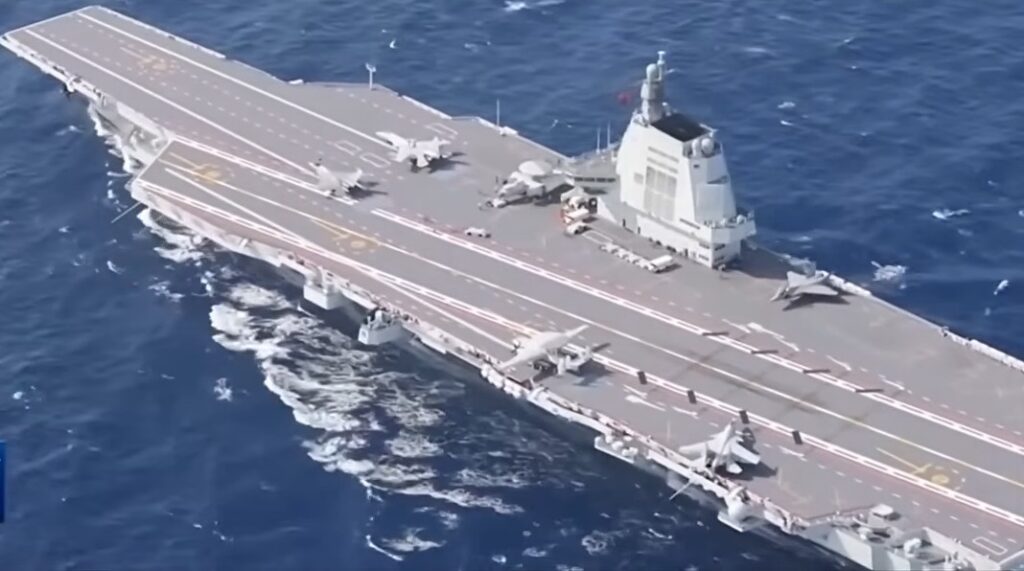
Another challenge that the service will have to contend with is the increasing rise of competing naval powers, particularly China.
China is building its navy at lightning speed and already has the largest in the world. U.S. strategic thinkers are perturbed by the rate at which it appears that American naval dominance might be eroding. This creates simultaneous challenges around how to keep up with the competition; how to not be overtaken by it; and how to respond to a rising competitive sea power.
We have faced this problem before, of course, on the other end of the spectrum, as U.S. naval superiority superseded the British in the mid-20th century. That was famously – and likely uniquely – a largely peaceful transition between two sea powers.
I would not expect the same to be true of a game of naval superiority between the United States and China. Presumably, it is a challenge around which U.S. naval commanders are no doubt already hard at work strategizing.
Manufacturing limitations
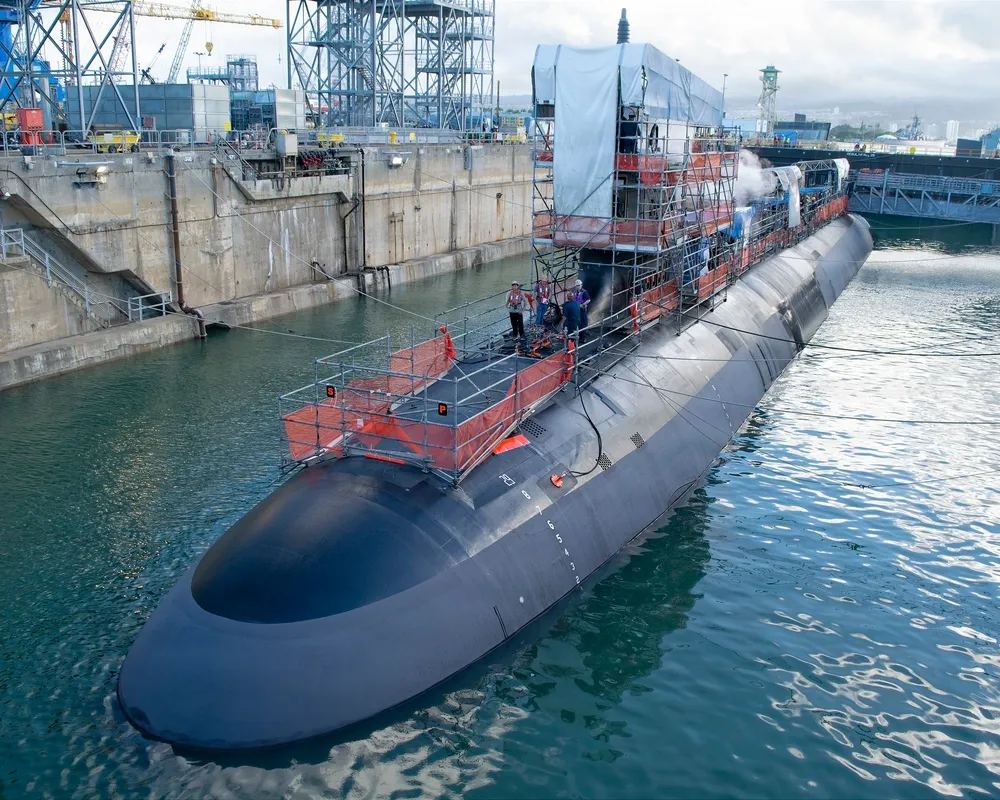
This leads us to the final significant challenge facing today’s U.S. Navy: its problem with build warships quickly, maintaining those vessels in operation, and keeping them sufficiently stocked with armaments.
This manufacturing challenge is made more pronounced by the naval race the Navy finds itself in with China.
In simplest terms, the ambitions of U.S. naval commanders are outpacing the industrial capacity available to realize those ambitions.
We simply have to be able to build more ships, do it faster, keep those vessels in operation serviceable and functional, and keep them all armed with weapons.
Thankfully, we have faced this kind of challenge before as a nation, and when called to action, U.S. manufacturing capacity has, historically, been ramped up. That is cause for cautious optimism, at least in this case.
How the U.S. Navy faces this and all the challenges above will in no small part be indicative of how successful our nation’s future will be.
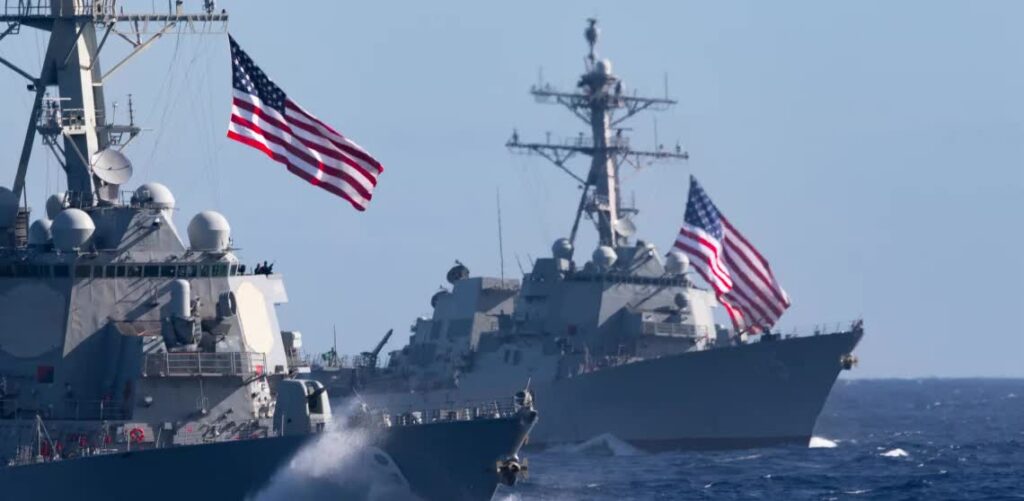
Feature Image: American warships (U.S. Navy)
Read more from Sandboxx News
- Do submachine guns still have a place in modern militaries?
- The birth of stealth: How defeating radar became the way of war
- To counter China’s navy, Marines create their first medium missile battalion and equip it with NMESIS
- The only foreign jet ever to lock onto the SR-71 Blackbird also came to its rescue
- Ukraine’s eastwards counterattack is proving successful thanks to artillery