The U.S. Navy is finally going to award a production contract for its new 6th-generation F/A-XX stealth fighter this August, according to reports confirmed by The Warzone.
The F/A-XX program is the Navy’s arm of the Next Generation Air Dominance Program that also produced the Air Force’s new air superiority fighter in development, Boeing’s F-47. The top-level priorities of the F/A-XX are very different to those of the F-47, however.
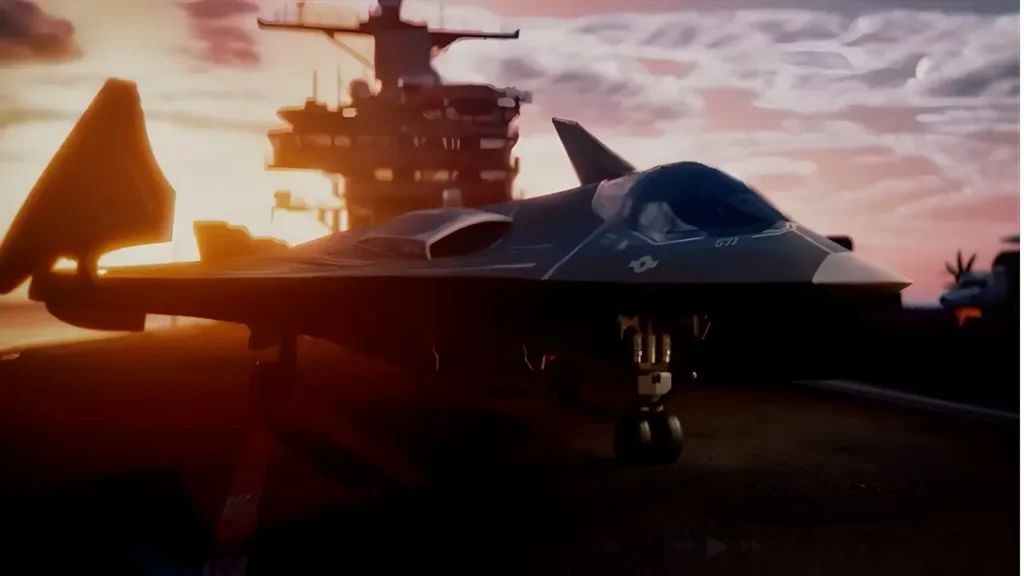
Two firms are left in the running to build this new carrier fighter: Boeing with what’s expected to be a variation of their F-47 design; and Northrop Grumman with a design it has only hinted at with released renders.
Northrop Grumman could arguably be considered the underdog, seeing as Boeing’s already secured one contract, but we should not count Northrop out. Not only is the firm behind the Navy’s legendary F-14 Tomcat, but it also designed and built the YF-23 that competed and lost to the F-22 Raptor, despite being an incredibly capable jet. Northrop’s F/A-XX renders of the F/A-XX do display similarities to the YF-23.
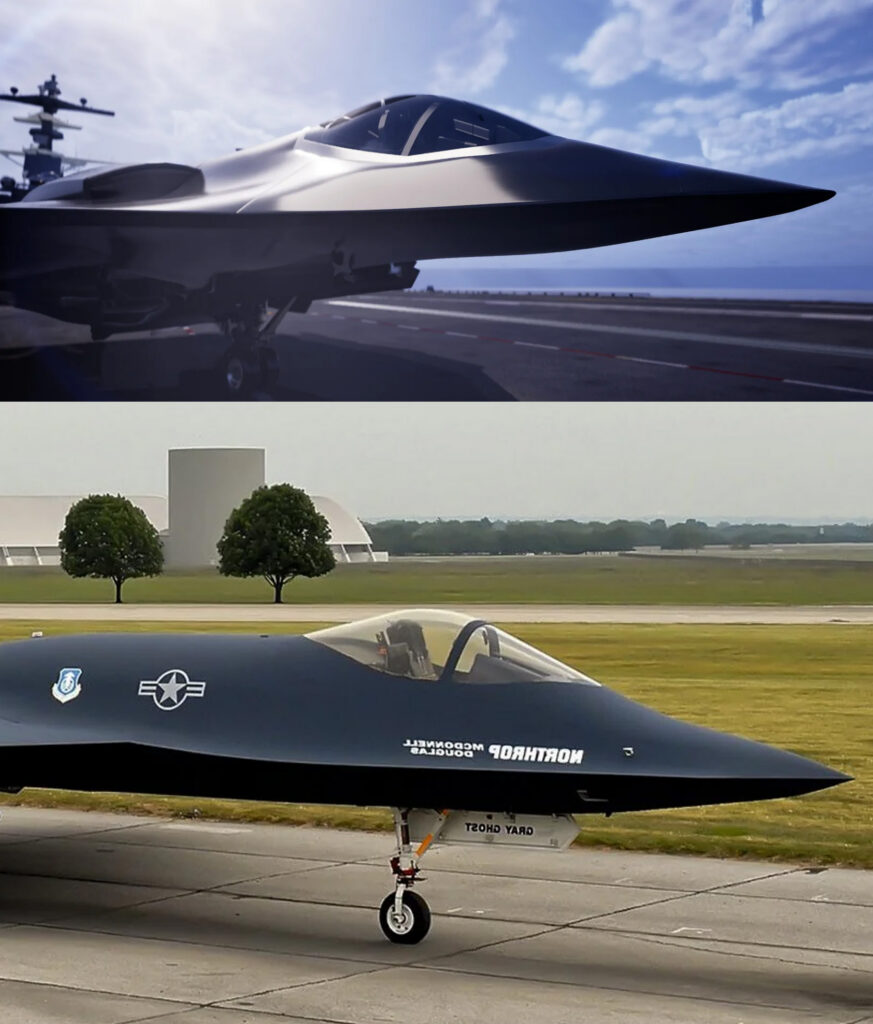
Whichever fighter wins the contract will ultimately go on to replace the Navy’s fleets of F/A-18 Super Hornets, and eventually, their electronic warfare siblings, the EA-18G Growler, as they begin to age out of service in the coming decade.
The F/A-XX will go on to operate alongside F-35Cs and a variety of AI-piloted drone wingmen for decades to come.
The upcoming fighter will also need to deliver a sizeable boost in unrefueled range over today’s carrier fighters.
China’s anti-access/area denial strategy in the Pacific includes the strategic placement of several different types of anti-ship weapons like the DF-21D and YJ-21 medium-range ballistic missiles, and the DF-ZF hypersonic anti-ship missile. All of these weapons have publicly claimed ranges of more than 930 miles, with some reaching further than 1,200 – and that is a big problem for the U.S. Navy.
Related: New details emerge on the F-47, America’s 6th-generation stealth fighter
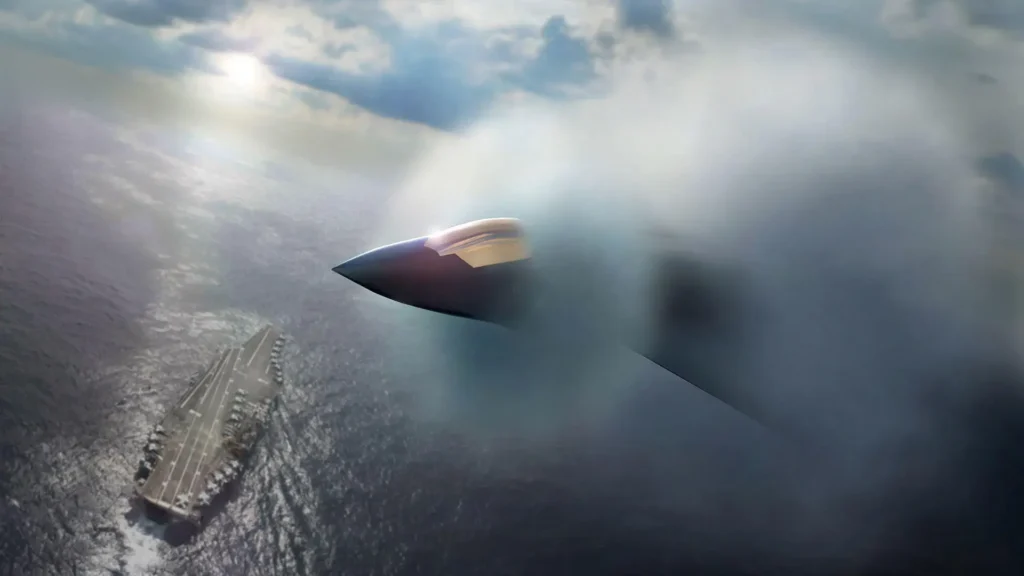
The F/A-18 Super Hornet has a combat radius of just about 640 miles, while the F-35C a bit less than 700 miles. That means American carriers would have to sail to within range of Chinese anti-ship weapons in order to launch their own combat sorties against targets within China’s A2/AD zone.
So, the F/A-XX fighter will need to have more range than China’s weapon – but it doesn’t have to stretch its legs all on its own.
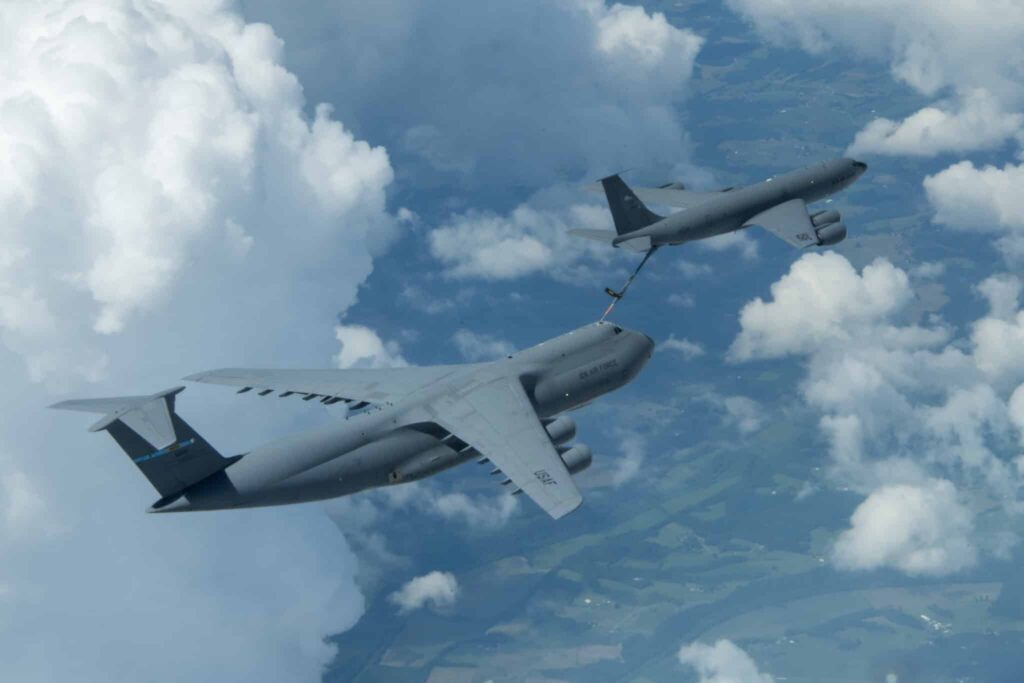
The Navy’s stealthy new MQ-25 Stingray carrier-based refueling drone is also a big part of this calculus, as it can fly up to 575 miles out from the carrier to deliver 15,000 pounds of fuel to fighters thereby help extend their reach.
Once a contract decision is made for the F/A-XX, the winning firm will start work on a production representative prototype for more testing; this will be followed by serial production, with the goal of getting these jets into service by the mid 2030s.
Feature Image: A Northrop Grumman render of the F/A-XX with its resolution enhanced by AI. (Sandboxx News/Northrop Grumman)
Read more from Sandboxx News
- Incredible mortar-assembly challenges with the Green Berets
- Space Force’s 15-year vision calls for more personnel and simulators to prepare for the future
- Not all drones are created equal: The five different groups of drones and how to counter them
- How a Green Beret achieved immortality during one of the fiercest battles of the Vietnam War
- Why the Air Force uses a different air-to-air refueling method than other branches