The U.S. Navy just made a big change to the way it classifies its nuclear submarines, and that points toward a fundamental shift in the way these undersea behemoths will be leveraged in modern warfare.
This week, the U.S. Navy announced that it will reclassify 19 upcoming Block V and VI Virginia-class nuclear-powered, fast-attack submarines, known as SSNs, as nuclear-guided missile submarines, or SSGNs, instead. This shift in categorization will be applied to newly build submarines that are equipped with a large hull extension designed to house a variety of vertical-launched weapon systems, including land-attack Tomahawk cruise missiles.
We first heard of this development from Old Submariner on X.
This announcement comes directly on the heels of the USS Georgia, one of the Navy’s four existing Ohio-class guided missile subs, completing its final deployment at the end of July. That deployment brought the vessel’s 42-year operational service life to a close and reduced the number of Tomahawk-missile vertical launch system, or VLS, cells available to the Navy by 154.
The four Ohio-class vessels were originally designed to carry and launch much larger Trident and Trident II nuclear-armed, submarine-launched, ballistic missiles, but were converted into conventionally armed, guided-missile subs between 2002 and 2007.
Now, as the Ohios’ service lives come to a close, the Navy’s new Virginias, – which are attack subs rather than ballistic missile subs – will take on their mantle thanks to the addition of the Virginia Payload Module.
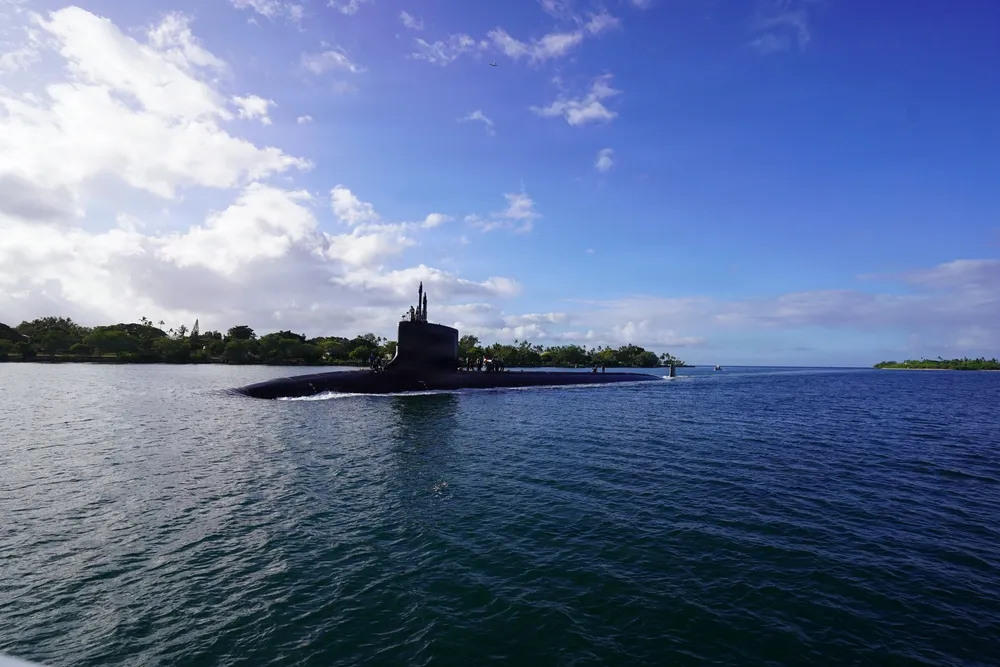
The Virginia Payload Module is an 84-feet hull extension capable of carrying up to 40 Tomahawk cruise missiles, as well as other land-attack munitions like the Navy’s hypersonic Conventional Prompt Strike missile.
“This reclassification is a clear acknowledgment of the increased lethality VPM brings to the undersea fight,” said Vice Adm. Rob Gaucher, Director, Submarine Programs.
“These VPM-equipped SSGNs will ensure the Navy continues to dominate the undersea domain for decades to come. By integrating this additional payload capacity, we will have the ability to surge strike power to assure our allies, deter aggression, outmatch any adversary, and give our Fleet commanders an incredibly versatile, hard-hitting instrument of national power,” he added.
The Navy currently operates three distinct classes of nuclear-powered fast attack submarines; these include a shrinking fleet of fairly dated Los Angeles-class subs, a handful of Cold War monster Seawolf subs, and a rapidly growing fleet of advanced Virginia-class submarines.
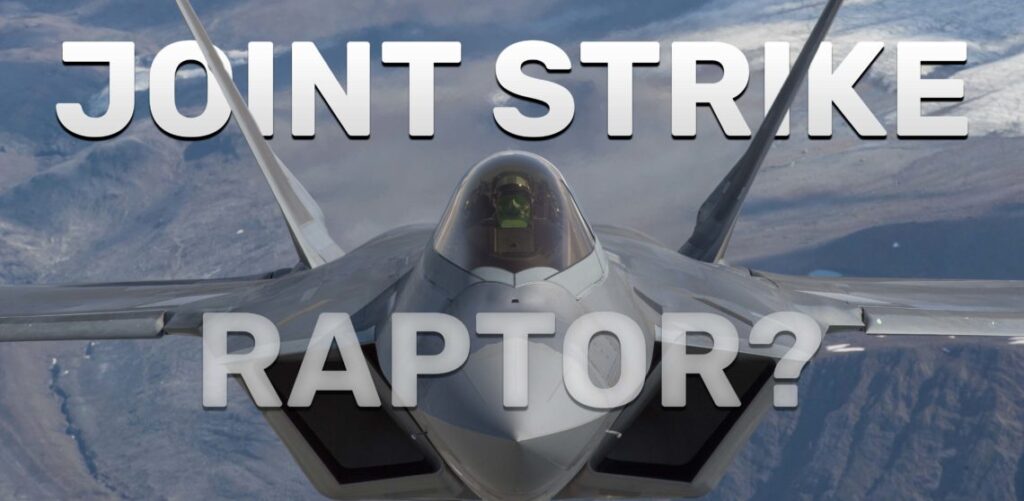
In aviation terms, the Seawolf class can be thought of as the F-22 Raptor of the open ocean. It was designed at a time when the American defense industrial base was practically given a blank check and told to build the most fearsome platforms in the world in order to deter the Soviet Union and a nuclear war. But then, the Soviet Union fell and Pentagon priorities, along with budgets, shifted. Seawolf production was cut short, and the Virginia-class took over.
The Virginia leveraged a lot of the same advanced new technologies pioneered by the Seawolf, but in a smaller and less expensive form.
Related: Navy buys more Virginia-class fast-attack submarines
By its Block III iteration, the Virginia’s continuously improving design and newly integrated acoustic stealth technologies were beginning to change the vessel’s capabilities.
The Seawolf still bests the most modern Virginias in raw hull performance, with a higher disclosed top speed, test depth, and torpedo armament. Yet, what the Virginias lack in brute force performance, they make up for in new multi-role capabilities thanks to dedicated vertical launch tubes for land-attack Tomahawk cruise missiles.
(Seawolfs can also launch Tomahawks but from their torpedo tubes, meaning each Tomahawk carried is one fewer Torpedo for the undersea hunter.)
With the a massive boost in land-attack firepower provided by the Virginia Payload Module, the Virginia class is arguably not just a dedicated sub hunter anymore – and the Navy thinks so too given the reclassification.
This change in classification won’t have an effect on the sub’s capabilities, but might be noteworthy in a historical sense. In the air, we’ve seen lots of specializations – like attack aircraft, interdiction bombers, and increasingly, electronic warfare aircraft – die out in favor of modern multi-role fighters. The same might happen under the waves.
Editor’s Note: This article has been updated to correctly state that the Virginia Payload Module is an 84-feet hull extension. The 70-feet extension previously stated in the article was of an earlier module design.
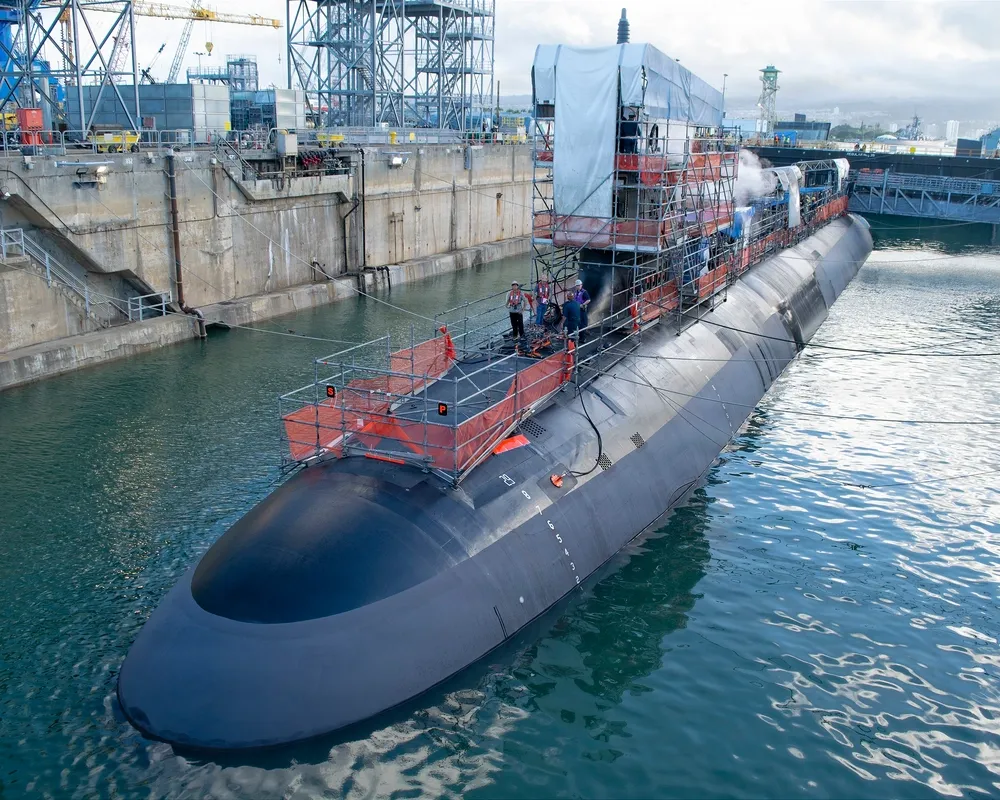
Feature Image: Virginia-class fast-attack submarine USS Illinois (SSN 786) sits in a partially flooded Dry Dock 2 as it prepares to undock at Pearl Harbor Naval Shipyard and Intermediate Maintenance Facility (PHNSY & IMF), June 24, 2026, completing an important milestone in the submarine’s scheduled lifecycle maintenance period. Commissioned Oct. 29, 2016, Illinois is the 13th Virginia-class submarine. It is the second U.S. Navy ship to be named for the state of Illinois. (Photo by Mike Wilson/U.S. Navy)
Read more from Sandboxx News
- Navy’s C-2 Greyhound, a Cold War warrior, was retired after 60 years of service
- Air Force reveals the B-2 can carry a lot more ordnance than previously stated
- Government subpoenas journalist over sensitive Navy SEAL-North Korea operation
- Marine Corps receives its final MV-22 Osprey in grand ceremony
- To join a special operations unit you have to get used to your rucksack