If the F-35 is more modern and technologically advanced than the F-22, then why is it still illegal to sell Raptors to other countries, while there are 20 nations lining up to buy F-35s?
It really all comes down to timeline.
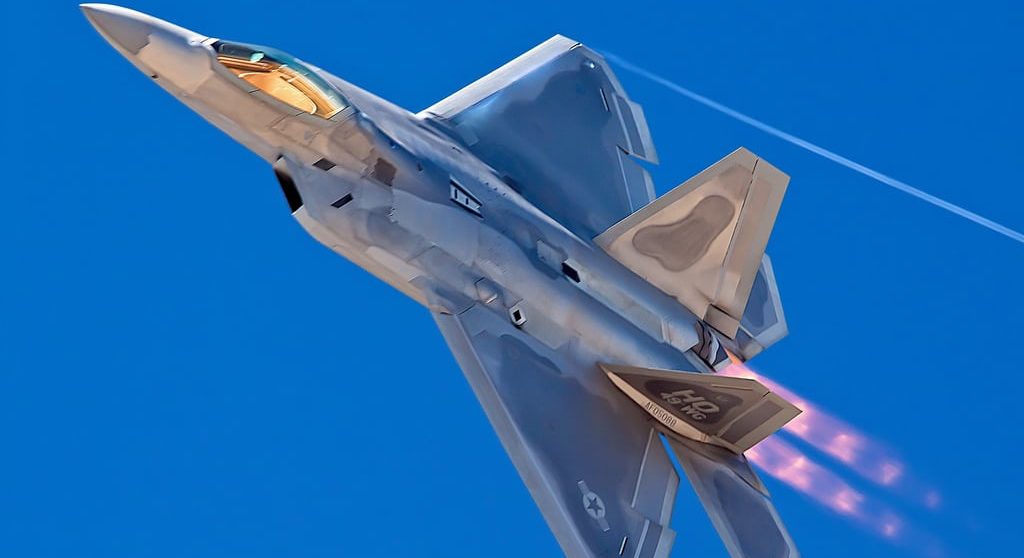
The F-22 Raptor introduced the world to what one former test pilot called “offensive stealth,” meaning it was the first aircraft ever designed to employ stealth as it went looking for a fight, rather than as a means to avoid it. Today, some 29 years since the Raptor first started flying, it can be hard to appreciate just what a big deal this aircraft was as it made its way to service.
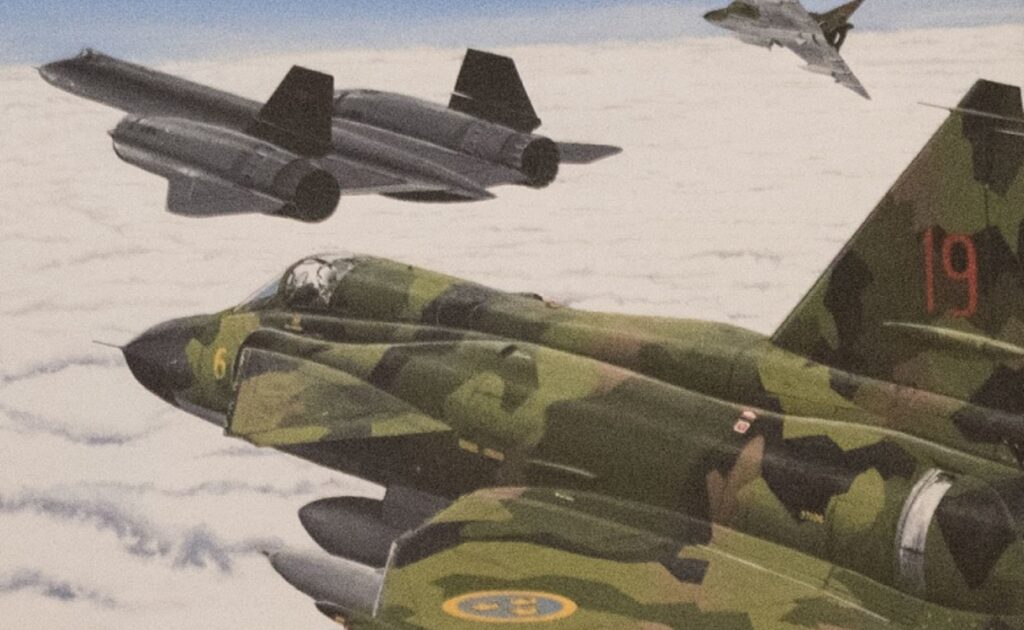
The Raptor has the smallest radar cross section of any fighter that’s seen service to this day and reportedly a top speed of 1.8 Mach. Its engines are more powerful than even the SR-71 Blackbird’s. The jet is incredibly maneuverable, and can supercruise, i.e. fly at supersonic speeds without its afterburner.
When it entered service, the Raptor was so much better than anything else in the sky that it is single-handedly responsible for the idea of fighter generations taking root in the public consciousness.
The concept of fighter generations was really born out of the work of historian Richard Hallion in 1990, but by the mid-to-late 90s, Lockheed had adopted it as a means of trying to explain how much better the Raptor was than even the absolutely dominant F-15 Eagle: it was a generational leap over the competition.
And that’s why, in 1997, the Obey Amendment was added to that year’s Defense Budget. The Obey Amendment stipulates that “None of the funds made available in this Act may be used to approve or license the sale of the F-22 advanced tactical fighter to any foreign government.”
At the time, the reasons were pretty clear. The Pentagon wanted to protect the monopoly on stealth aviation America had maintained since 1983; the advanced data-fusing avionics developed for the Raptor; its groundbreaking turbofan technology; and the strategic advantage those capabilities provided when combined in the same airframe.
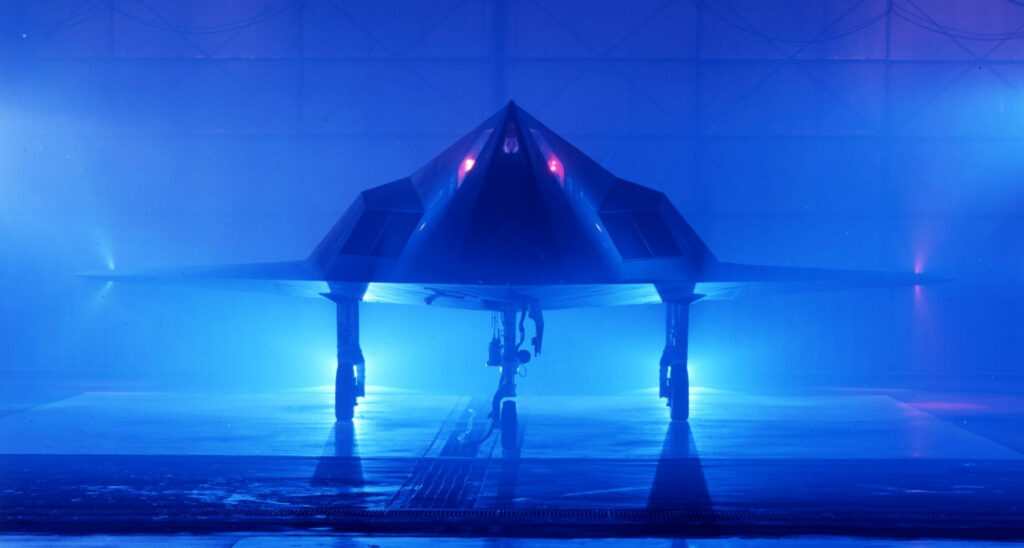
But then, in 1999, an American F-117 Nighthawk was shot down over Serbia, and portions of its wreckage very quickly made their way to adversary nations with interest in developing their own stealth aircraft.
Two years later, Russia announced development on its own stealth fighter, and while China wouldn’t acknowledge doing the same until 2009, American intelligence analysts were well aware that Beijing’s effort was underway long before then.
It wasn’t just that these two countries got access to American radar-absorbent materials, but also, importantly, computing power was getting cheap enough for them to come up with their own radar-wicking designs.
The stealth cat was out of the bag, and the U.S. had seen it coming from a mile away. Meanwhile, Raptor production was cut short, with just 187 jets delivered out of an original 750-jet order, immediately turning the Raptor into an endangered species.
Related: A Marine who flew the F/A-18, F-16, F-22, and F-35 says one jet stood apart
So, at the very early stages of the Joint Strike Fighter program, which eventually led to the F-35, the U.S. realized that it could afford to make this new stealth fighter better and in much larger numbers if it brought in partners. Further if the adversaries of America and its allies were going to be flying stealth fighters, it only made sense to equip our allies with stealth fighters of their own.
That provided the F-35 program with economies of scale, allowing for more capabilities and lower per-unit costs, while also giving the U.S. significant political leverage over countries operating F-35s.
The F-22 remained illegal to export because, with production halted and fewer than 200 aircraft in existence, there would never be any spare Raptors lying around to sell.
America intends to continue upgrading these fighter Ferraris until something even better comes along. And even then, the Raptors will likely go into Type 1000 Flyable Storage, which means that they will kept in near-flying conditions, should they be needed, just like the F-117 Nighthawks that retired in 2008 but can still be seen flying training operations over the American Southwest to this very day.
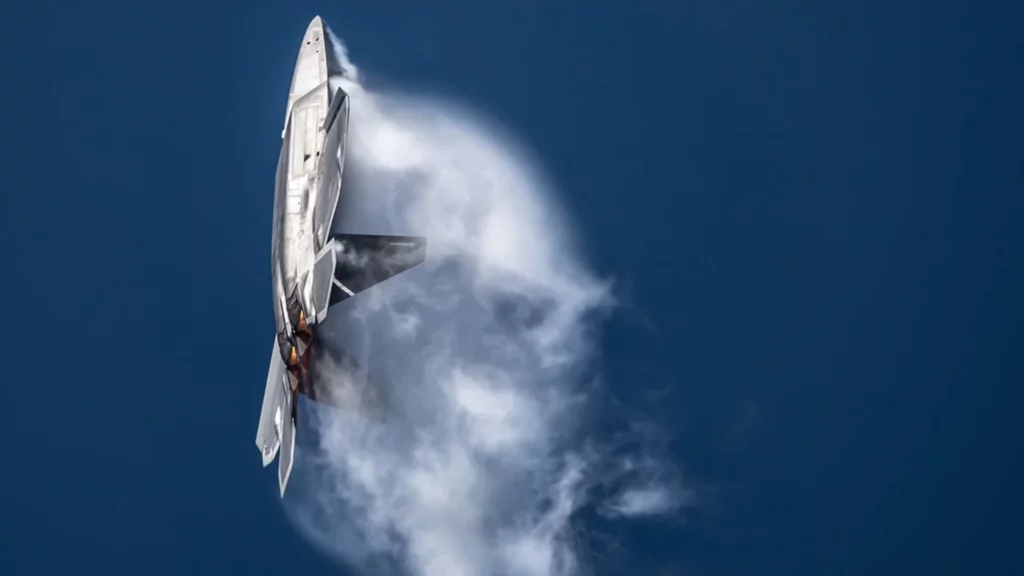
Feature Image: A F-22 Raptor (Wikimedia Commons)
Read more from Sandboxx News
- The Air Force made Lockheed’s Skunk Works design a stealth pole
- What rifles do the world’s smallest military forces use?
- Navy SEALs and Delta Force commandos living together in the jungles of South America
- Which is the better fighter, the F-35 or the F-22? Let’s break these squabbling siblings down.
- AI can help the military better understand how adversaries think, retired general says