America’s B-2 Spirit and B-1B Lancer bombers just received an official stay of execution, with the Air Force now looking to invest roughly $1.7 billion into keeping them in the fight well into the late 2030s.
The first B-21 Raiders are expected to enter service as soon as next year, but it will still be some time before there are enough Raiders in service to replace the standing fleets of B-2 Spirits and B-1B Lancers that were set to retire in the early 2030s.
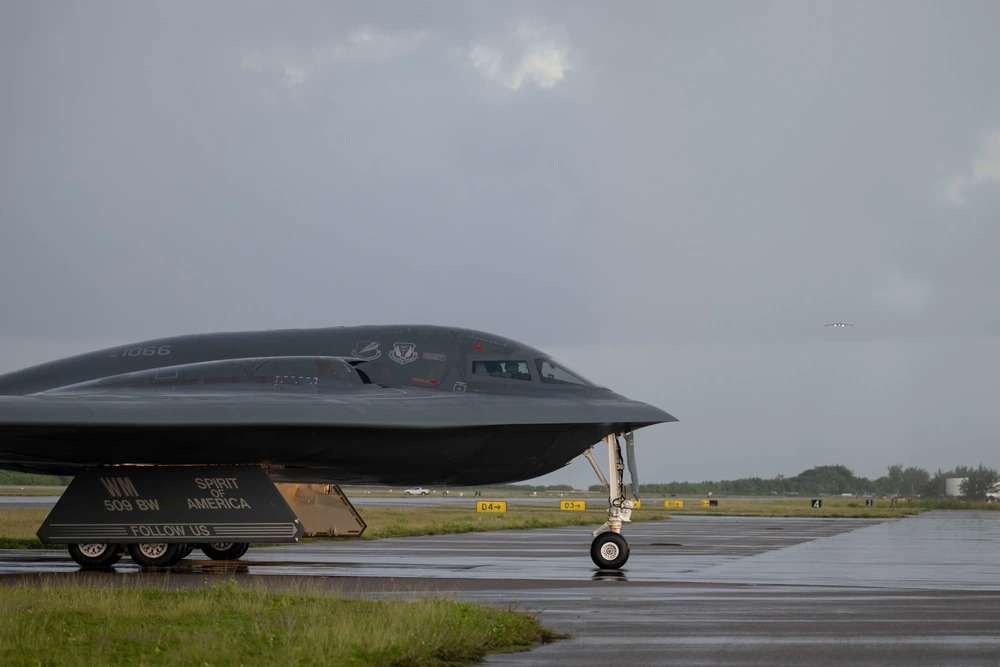
The smaller B-2 Lancer fleet, which is comprised of 19 aircraft, is looking at very significant upgrades, with a total of $1.35 billion earmarked for B-2 modernization over the next five years. This amount comes out to more than $71 million per legacy stealth bomber.
Chances are good that the Air Force is going to get a pretty good bang for that very big buck: These B-2 upgrades are certain to be informed by systems developed and fielded for the much more modern B-21 Raider program. This will allow the B-2s to be upgraded into something of a bridge platform between the stealth bombers we know today, and the capabilities we can expect tomorrow.
Further, the Air Force is now not revealing when these bombers will retire at all. Instead, Air Force officials are just saying the Spirit will stay in service for “as long as it’s needed.” Keeping the 19 heavy payload stealth bombers on the roster will give the U.S. a lot more strategic weight to throw around.
On the other hand, the Air Force aims to invest some $342 million into its 45 B-1B Lancers to extend their service lives through 2037; this amount shakes out to around $7.6 million in improvements for each aircraft.
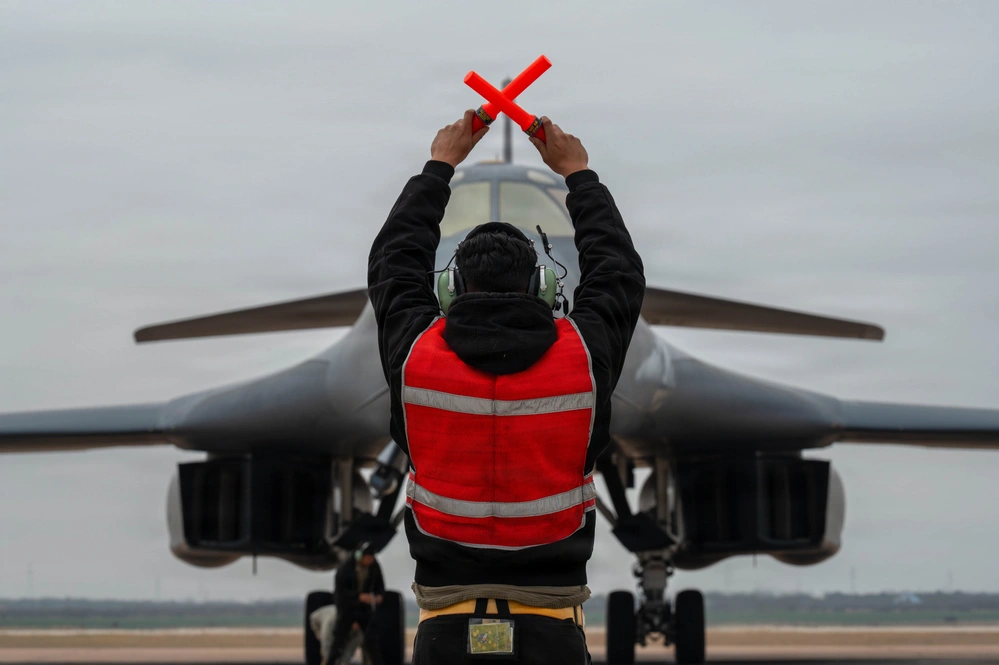
The B-1B Lancer is the only bomber in American service that can break the sound barrier.
With a top speed of Mach 1.2 at sea level and the ability to carry an astonishing 75,000 pounds of ordnance, the “Bone,” as the bomber is affectionately known, made a name for itself during the Global War on Terror flying – surprisingly – the close air support mission.
The bomber can carry 84 500-pound JDAMs, and its combination of high speed and an unrefueled range of 5,900 miles made it uniquely suited to cover a lot of ground to get to the fight, loiter for as long as needed, and then zoom off to its next mission.
One B-1B pilot Sandboxx News spoke to a few years back said that he had conducted CAS operations on opposite sides of Afghanistan in the same sortie and in very short order – something that nearly no other aircraft could do accomplish without significant tanker support.
The swing-wing B-1B flies a lot like a giant fighter, which is part of what makes it awesome, but also gives it a much shorter lifespan than other bombers like the B-52.
Cruising along like a B-52 puts much less stress on your airframe than the high-speed, low altitude penetration missions the Bone was designed for. Add to that years worth of high operational-tempo operations doing a job it was never built for – flying CAS missions over the Middle East – and America’s Lancer fleet has gotten very long in the tooth.
Nevertheless, this bomber’s unique capability set among America’s other heavy payload strategic aircraft, makes it a solution to some problems stealth just can’t fix: like when you need to cover a lot of ground with a lot of ordnance in very little time.
The extension of the service life of the B-1 Lancer and B-2 Spirit bombers runs parallel to a new expansion of the B-21 Raider production line, and big investments being made into fighter fleets, as the Air Force tries to grapple with aging airframes retiring from service faster than new ones are being built.
Feature Image: A U.S. Air Force B-1B Lancer crew chief marshals a B-1 after returning from a CONUS-to-CONUS mission in support of Operation Epic Fury, March 4, 2026. The B-1B is a long-range, multi-role bomber that carries the largest payload of precision guided and unguided munitions in the Air Force inventory. (U.S. Air Force photo)
Read more from Sandboxx News
- Marines are rushing to stand up new counter-drone team as stress tests spotlight defense gaps
- How the JDAM created a revolution in bombing technology
- The highjacked aircraft hoax that alerted Delta Force
- Before the Navy SEALs came the Underwater Demolition Teams
- Air Force decides to double the number of F-15EX jets it will buy