The military is rarely a place for creativity since it has a process, Standard Operating Procedure, or drill for everything. However, occasionally creativity drips itself out of necessity, and these are five times that creativity beat out doctrine.
The Aunt Jemima edible explosive
The Office of Strategic Services, or OSS, was a creative organization. OSS agents and partner forces were often tasked with working behind enemy lines during World War II. They caused chaos, committed assassinations, and armed resistance forces. If you were an OSS agent you had to be creative.
For example, if you needed to blow something up but had to pass through enemy checkpoints what would you do? What if you disguised the explosive as flour. In fact, what if you mixed flour with the explosive substance. That’s what the OSS did.
The organization mixed a combination of 75% RDX – which is an explosive 1.5 stronger than TNT – with 25% flour, and nicknamed the combination “Aunt Jemima.”
This ingenious idea did stand up to scrutiny.
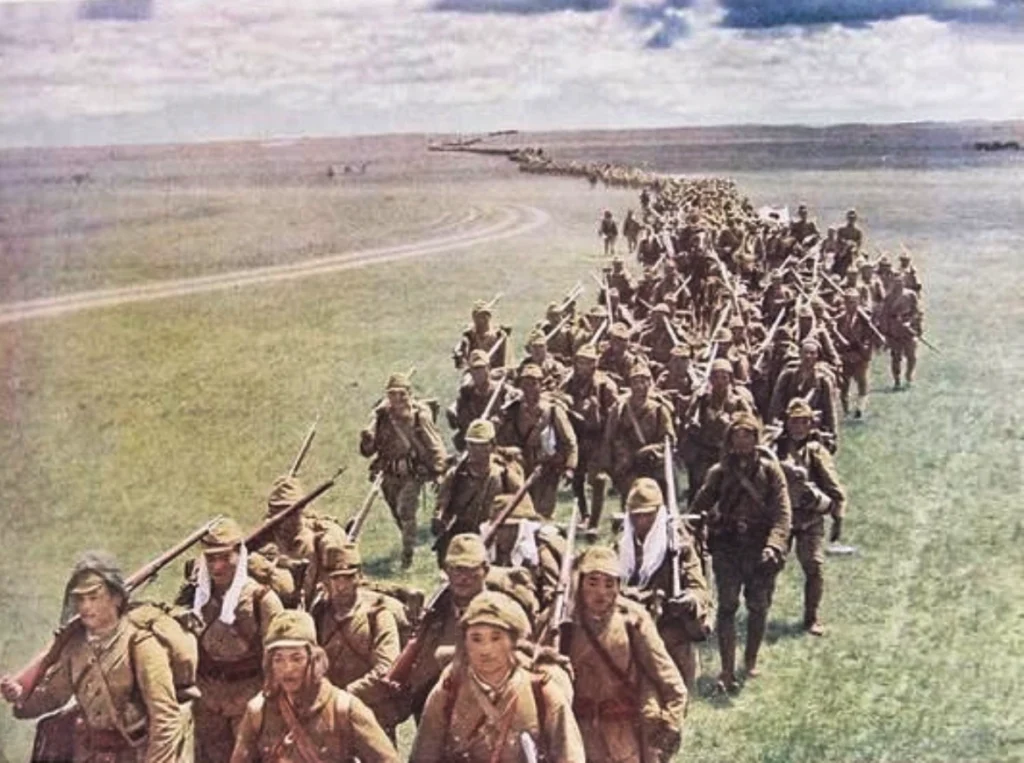
The mixture could be baked into pancakes, biscuits, and more. You could even eat it, if necessary, and the explosive would remained inert only causing headaches and stomach pain. Sometimes they baked it into bread and use the bread to smuggle the explosives to targets. Over 15 tons of Aunt Jemima was made during the war and sent to China to fight the Japanese.
The McAdam Shield Shovel
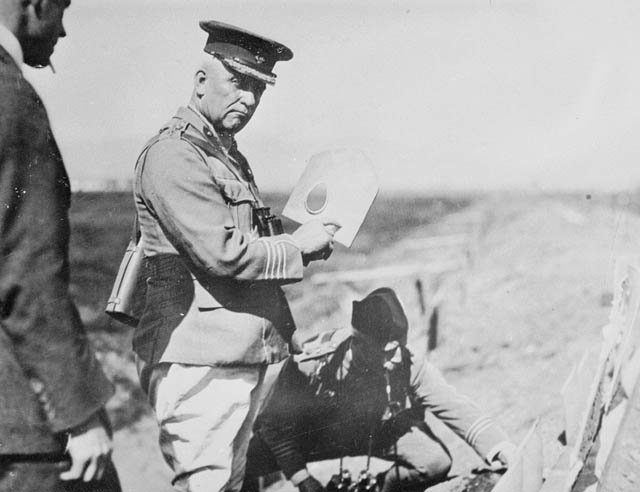
Any tool that has multiple uses can be invaluable to a soldier. Sir Sam Hughes, the Canadian minister for the Department of Militia and Defence, developed the McAdam Shield Shovel in 1913 from an idea of his personal secretary Ena McAdam. The Shield Shovel was a folding entrenching tool, much like the ones you see today, that was meant to also theoretically stop rounds.
The Shield Shovel’s blade was 3/16ths of an inch thick. Heavy steel was used to create the detachable handle, and a 3.5 x 2-inch hole sat in the middle of the blade for soldiers to shoot through. Twenty-five thousand Shield Shovels were ordered and sent to Europe during World War I for testing.
But problems arose immediately. First, it couldn’t stop even the smallest of rounds. Second, the shovel was heavy weighing over five pounds total, and weighing troops down. Third, the sight hole made it a poor option for digging through loose soil.
Ultimately, the shovels were collected and scrapped, although, reportedly, some Canadian snipers kept some and would stack them together for added protection.
The Lazy Dog bomb
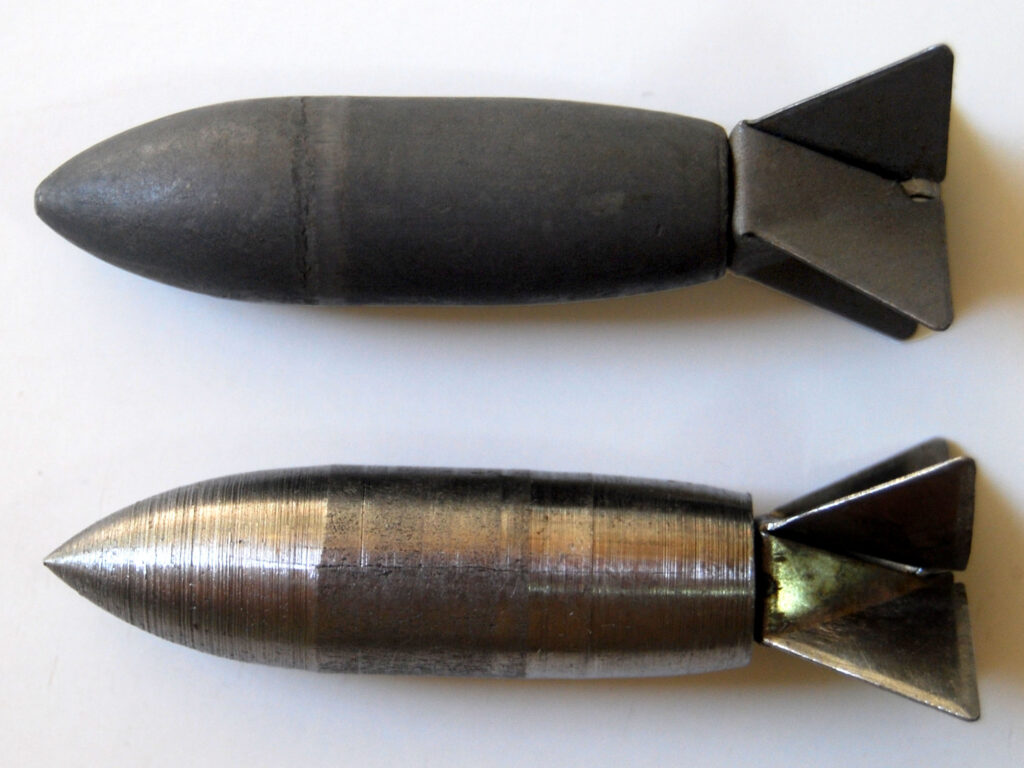
The Lazy Dog was a kinetic unguided projectile originally developed during World War II, but which saw further iterations and was mostly used during Korea and Vietnam.
Aircraft would drop them en mass from a high altitude and as they fell they gathered speed and energy. When dropped they could reach speeds of 710 feet per second, which was fairly close to small caliber handgun velocities, albeit with a heavier, longer projectile.
They could penetrate soft cover, like jungle canopy, and carry enough force to kill an enemy soldier. Lazy Dogs were cheap to make and didn’t leave unexploded ordnance on the battlefield.
Deploying them was easy. You could use a cluster adapter with a fuse, or simply dump buckets of them out of a plane. Each projectile was about half an inch in diameter and 1.75 inches wide, and weighed 0.7 ounces.
Related: More than missing guns: Why America lost dogfights over Vietnam
The T-1544 Radio TURDSID
During Vietnam, the Air Force wanted a covert way to track movement over the Ho Chi Minh trail. To accomplish this, it designed the T-1544, otherwise known as TURDSID, a seismic sensor disguised as dog droppings.
TURDSID stands for Transmitter, Unattended, Radar, Dog, Seismic, Intrusion, Detector – and I hope whoever came up with as an acronym got a meritorious mass.
These sensors would pick up vibration as people or vehicles passed. This, in turn, would trigger a radio signal that would alert a circling aircraft to the location of movement.
Most people aren’t going to play with poop to figure out what animal dropped it, so the T-1544 worked quite well in most cases. The main problem came if some poor soul stepped on it and realized it crushed mechanically instead of ruining their boot for their day.
The Novgorod, one of the worst warships ever built
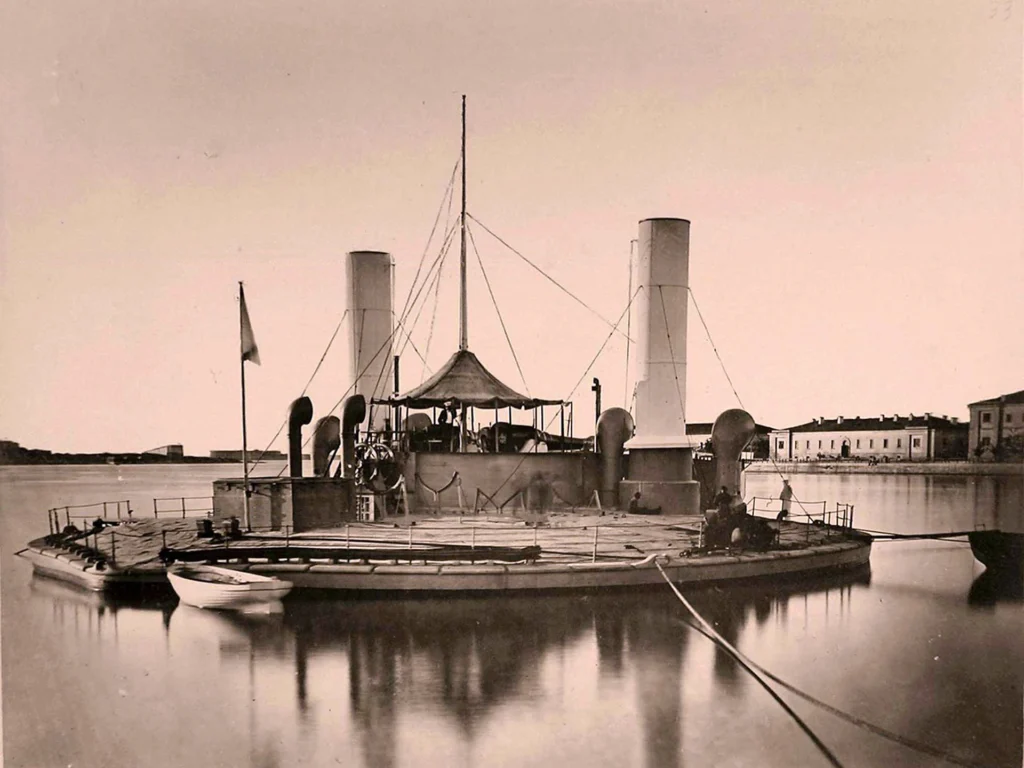
In the 1870s, the Russians came up with a fairly odd ship design and produced a circular warship. The idea was to reduce draught and allow the ship to be loaded down with more armor and heavier armaments than traditional ships. Essentially, the heavily armed and armored ship wouldn’t sit as low in the water.
However, the ship’s circular design made steering it complex, since it could be set off course by the recoil of it’s guns, and didn’t fair well in rough weather. It’s often called one of the worst warships ever made. On the high seas the Novgorod would certainly be challenged. Thankfully, the Novgorod was often spared from the unpredictable nature of the high seas, as it was designed for shallow waters.
The Novgorod was eventually classified as a coastal defense ship. While the design wasn’t versatile or necessarily better than other coastal defense ships’, it gained a reputation it didn’t really deserve.
Feature Image: Sir Samuel Hughes holding a McAdam Shield Shovel. (Bibliothèque et Archives Canada)
Read more from Sandboxx News
- Combat swimmer operations and their importance in a near-peer conflict
- Raytheon to massively expand Tomahawk and AMRAAM production
- 3 military options the US has to protect maritime traffic through the Strait of Hormuz
- America has reportedly lost 10 MQ-9 Reapers so far in the offensive against Iran, but this isn’t surprising
- Marines conduct first air insert of an unmanned ground vehicle