Operation Epic Fury is nearing week three, and Iran is putting up a fight. Tehran has acted on its threat to close the Strait of Hormuz, one of the world’s most important seaways, and has already caused severe damage to several merchant ships.
Iran is using a wide range of methods to attack maritime shipping in the Persian Gulf and the Strait of Hormuz.
In the past two days, Iranian forces have carried out at least five successful attacks on merchant vessels across the Persian Gulf. Three tankers have taken heavy damage, while two vessels have suffered minor damage. Iran has also started mining parts of the Strait. American forces have destroyed several mine-laying vessels in response.
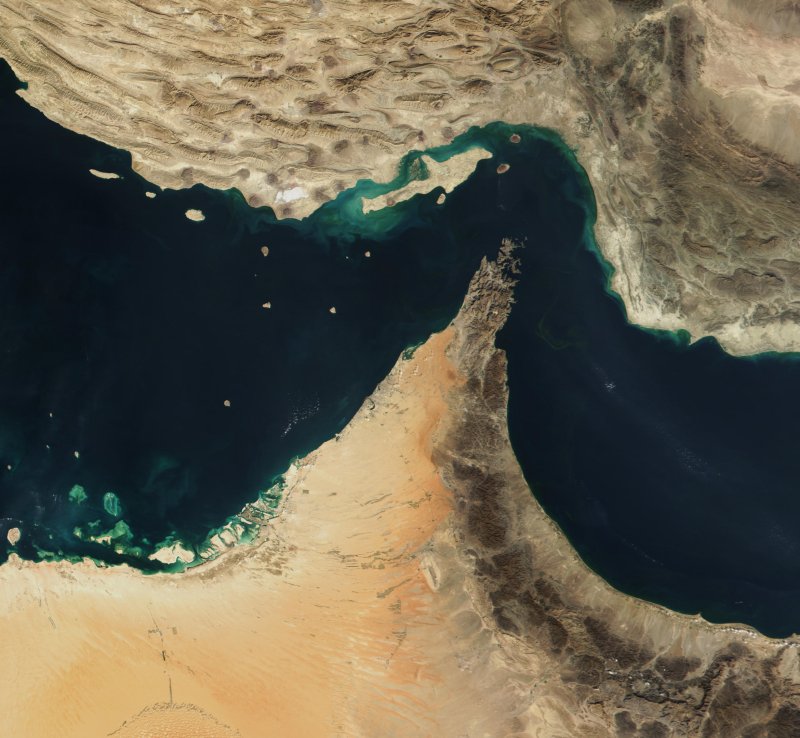
The Strait is one of the most important seaways in the world due to the sheer size of the oil and liquified natural gas (LNG) that passes through it every day. Approximately 20 million barrels of oil pass through the Strait on a daily basis, which amount to about 20% of the world’s oil supply.
Iran controls the northern side of the Strait and Oman the southern.
There are three ways the U.S. military could try to stop Iranian attacks against merchant shipping on the Strait, thereby freeing maritime traffic.
First, the U.S. military could continue with its air and naval campaign, but this time focusing more on Iranian military units and assets in the southern coast of Iran. The Iranian forces use kamikaze aerial drones, surface drones, and suicide boats to attack shipping in the Strait. Targeting their launch points and infrastructure would put pressure on Iran’s operations.
Second, the Navy could task warships (most likely Arleigh Burke-class missile-guided destroyers) on escort duty to help tankers and other merchant vessels safely navigate the treacherous waters. This is not a novel idea. President Trump indicated in the opening days of the operation that military escort for merchant ships would be an option. The Navy and CENTCOM, however, have been pushing back on that idea and have been refusing to task warships with escort duty.
The Navy has approximately 15 Arleigh Burke-class guided-missile destroyers deployed in the region in support of Operation Epic Fury. Thus far, these warships have used their Tomahawk cruise missiles to attack targets in Iran. Their air defense capabilities also protect the two aircraft carriers, USS Abraham Lincoln and USS Gerald R. Ford, operating in the area. Committing destroyers to escort duty would hamper strikes against targets in Iran and also put the carrier strike groups in danger. But the cost of the closed Strait might be worth the exchange.
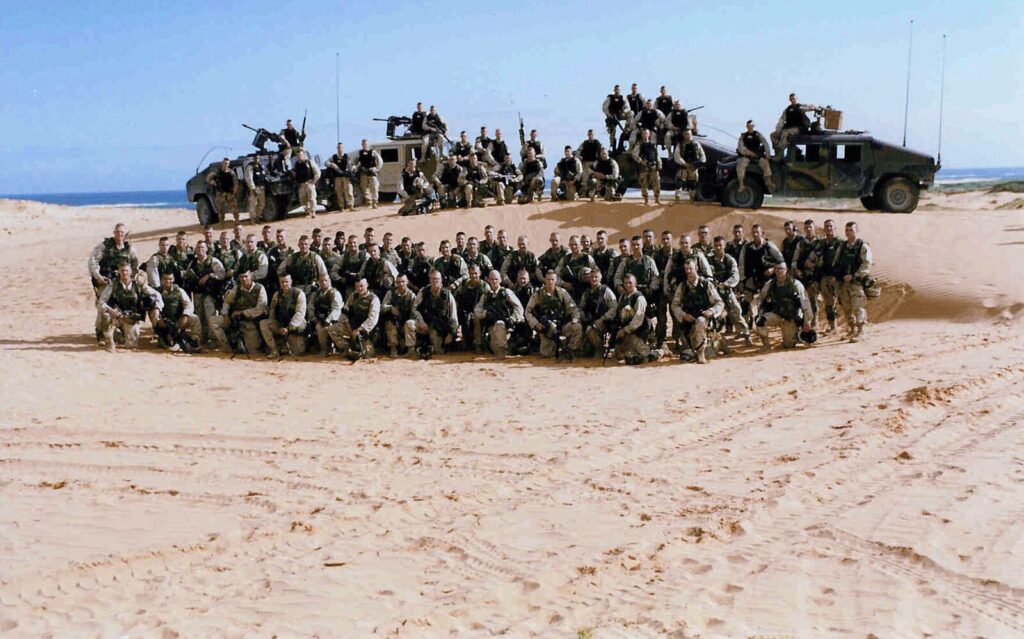
Finally, and most unlikely, the U.S. military could put boots on the ground. Special operations or Marine units could launch a ground operation to seize the coastline along the Persian Gulf, thus physically preventing attacks against commercial shipping. But such a solution would likely escalate military operations beyond the White House’s level of comfort, and a ground operation would increase the likelihood of casualties.
These are the three main military options to deal with the threat to commercial shipping transiting the Strait of Hormuz.
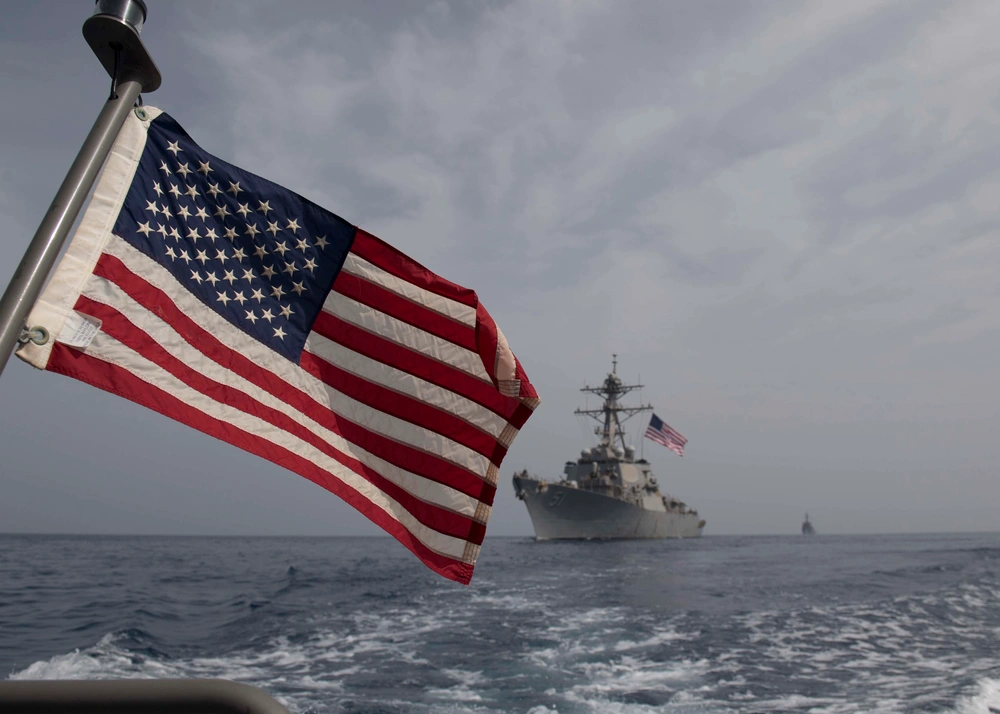
Feature Image: Guided-missile destroyer USS Arleigh Burke (DDG 51) and Egyptian Navy Ship El Zafer (F951) conduct a training exercise, May 2018. (U.S. Navy photo by Petty Officer 1st Class Raymond Maddocks/Released)
Read more from Sandboxx News
- America has reportedly lost 10 MQ-9 Reapers so far in the offensive against Iran, but this isn’t surprising
- Marines conduct first air insert of an unmanned ground vehicle
- Lockheed Martin will quadruple production of sophisticated THAAD systems as US stockpiles diminish
- Army unveils its first new offensive hand grenade in nearly 60 years
- American and Israeli forces have struck more than 6,400 targets across Iran