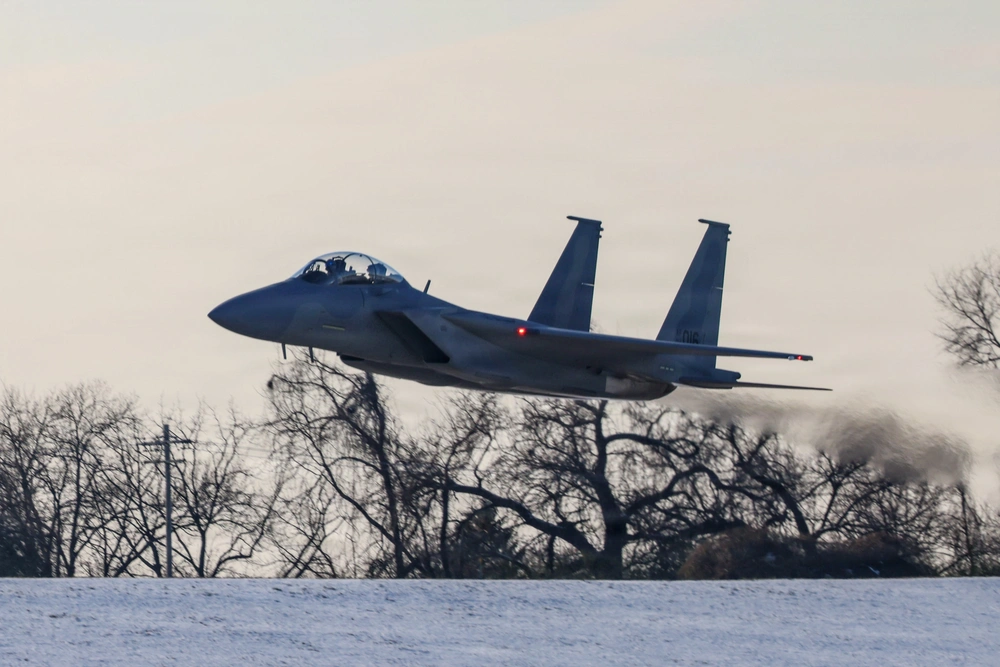
Boeing will be building both 6th-gen fighters for both the U.S. Air Force and Navy. And one could argue that we’re putting too many eggs into Boeing’s basket. But is that true?
Over the past few weeks, people have voiced concerns about the workload distribution across the three American defense primes (Lockheed Martin, Northrop Grumman, and Boeing) that still maintain the ability to mass-produce complex military aircraft like fighters and bombers.
All three companies have long and storied histories of delivering some of the most capable military aircraft ever built.
Because new American fighter or bomber contracts are so rare – usually only being awarded once every 15 years or so – the federal government has to be somewhat intentional about how it distributes work to these three firms.
If one of these three companies misses out on three fighter contracts in a row, for instance, that could mean going 45 years or more without building a single fighter, thus jeopardizing its competitiveness.
This isn’t the only factor officials consider when awarding fighter or bomber contracts, of course, but it certainly is one of them.
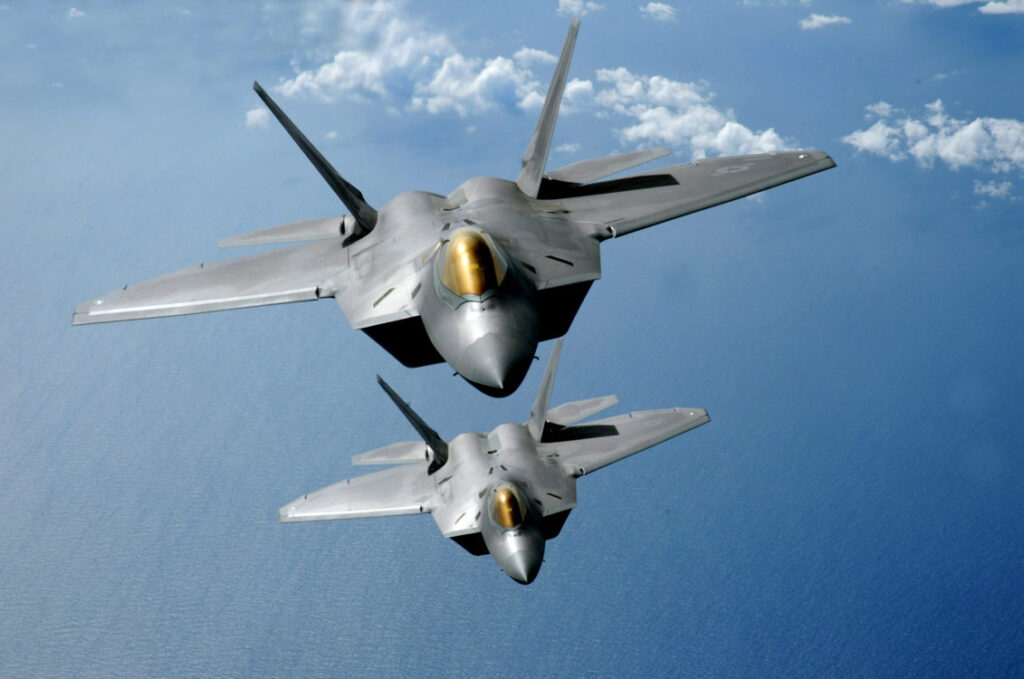
And that’s why people are worried that Boeing has now secured what may be the only two 6th-gen fighter contracts America ever awards.
However, the distribution of production shakes out a bit better than some might think.
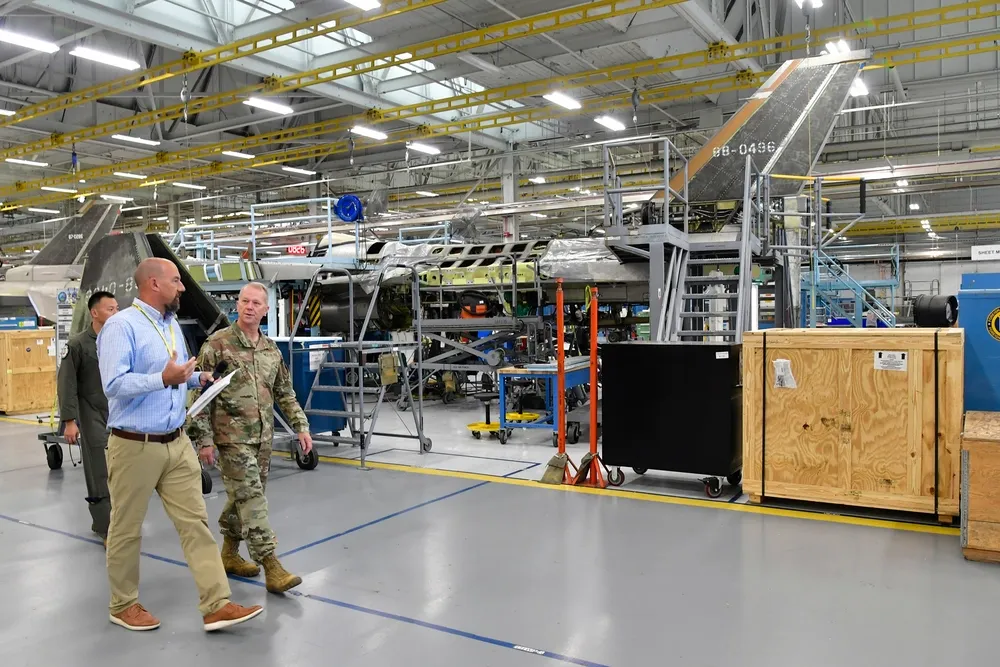
Based on existing contract awards, and those we can expect with a high degree of certainty in the future, Lockheed Martin will be building new Block 70/72 F-16s for foreign allies well into the 2030s; and that production line may stick around for even longer now that the Air Force is thinking of buying upgraded F-16Gs to round out its fighter numbers with some lower-cost jets.
Further, F-35 production is expected to continue well into the 2040s and probably beyond, with roughly 1,375 F-35s delivered to date out of a total planned production number of at least 2,450 and, likely, an eventual topline that exceeds 3,000 jets.
That’s good news for Northrop Grumman too, which builds roughly 40% of every F-35, including the jet’s center fuselage and weapons bays, and a long list of avionics, including the existing AN/APG-81 active electronically scanned array radar and its forthcoming replacement, the AN/APG-85.
Related: Keeping top combat aircraft flying is expected to only get more expensive, consulting firm says
And of course, Northrop is the lead on the B-21 Raider program, which is also expected to be in production through the 2040s and very likely longer, as the U.S. Air Force continues to discuss potentially increasing its order from around 100 stealth bombers to maybe 145 or more.
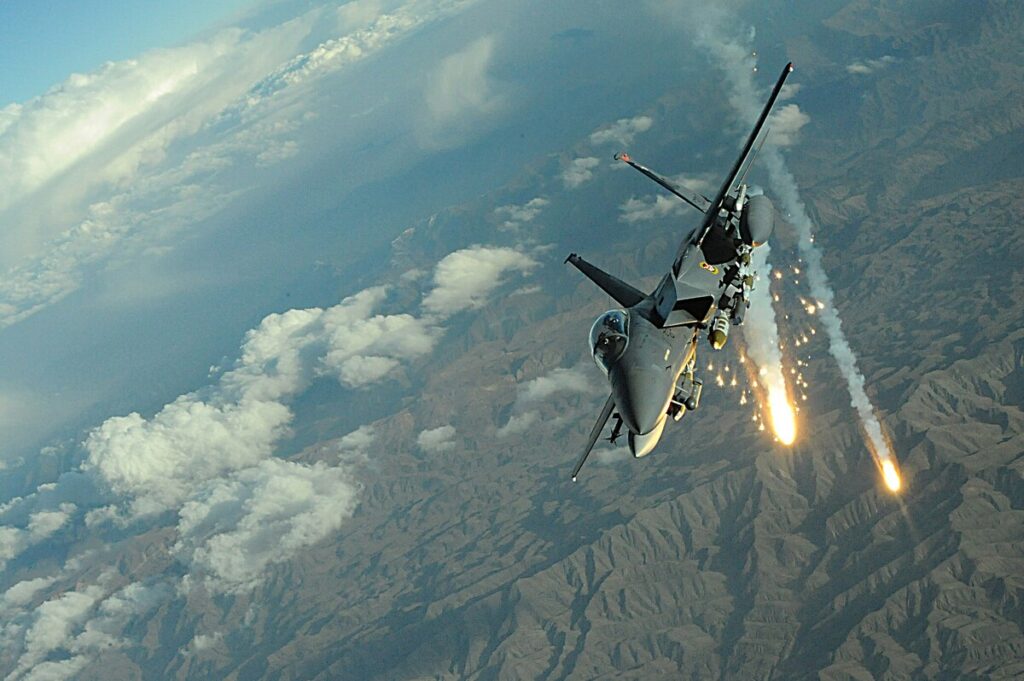
Boeing will see its F/A-18 Super Hornet production line shutter in 2027. However, its F-15EX production is excepted to increase toward building 24 jets per year into the mid-2030s. That approximate date also happens to be right when the Air Force and Navy’s new 6th-generation fighters will be entering serial production.
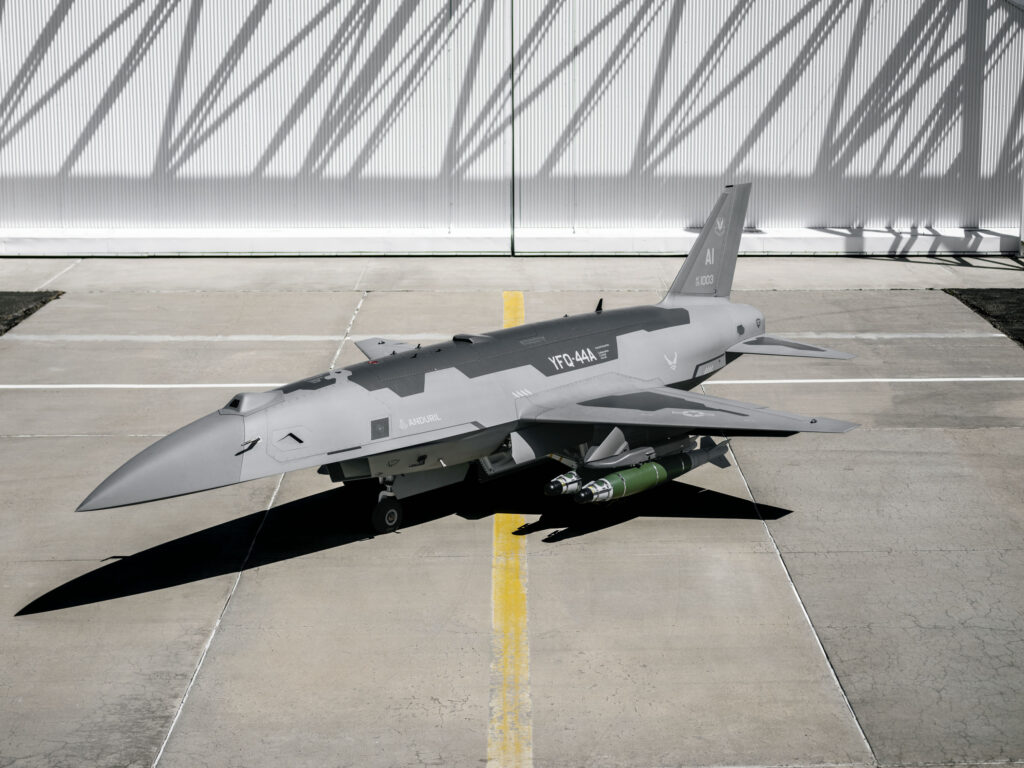
However, maybe even more importantly, this list doesn’t consider the rapidly growing field of Collaborative Combat Aircraft, or AI-piloted drone fighters.
The first such aircraft have already seen production contracts from the Air Force, but there are at least five more CCA contracts up for grabs in just the next few years as the Navy and Marine Corps pursue their own drone groups of dedicated drone fighters.
The Air Force alone intends to field north of a thousand of these jets in just the next few years. That means aerospace primes, alongside mid-sized behemoths like General Atomics and well-funded upstarts like Anduril, will all have plenty of opportunities to chase contracts in the years to come.
Read more from Sandboxx News
- The USS Gerald Ford spent 326 days at sea. But the Navy says it’ll be fixed In six months.
- An important F-35 part is actually made out of sapphire
- Florida fisherman reels up a unique catch: a LUCAS kamikaze drone
- The slick custom shotgun carried by a Navy SEAL point man in Vietnam
- American and British warships and aircraft unleashed their fury on USS Klakring