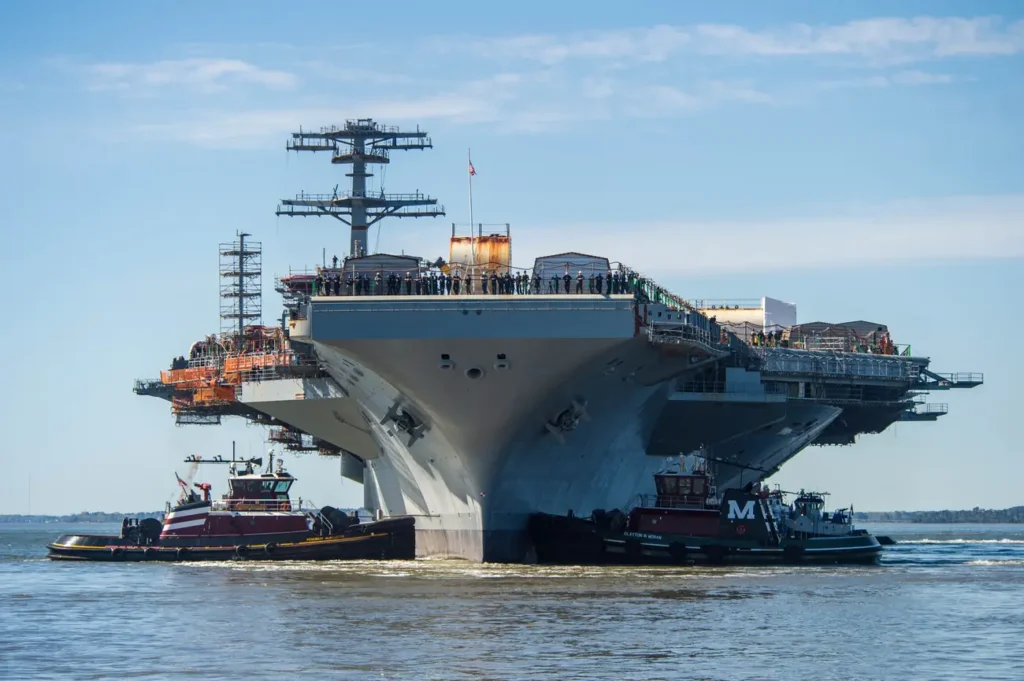
It is a scene burned into the collective consciousness of a generation: a U.S. aircraft carrier deck, morning mist wafting by, silhouetted sailors and F-14 Tomcats skulking around the deck to the crescendoing sounds of the unforgettable Top Gun score. Then the action kicks in to the high-octane banger, The Danger Zone. The fighter aircraft are then catapulted into the sky to project American power overseas.
Ever since the end of World War II, the U.S. government has used these mobile, floating airfields – veritable armed cities on the sea – to signal to the rest of the world that America owns the seas and has arrived in the neighborhood.
It is hard to think of a comparable military asset in history that is as highly visible and effective a signal of national power than the U.S. aircraft carrier has been for 80 years.
And yet, it is becoming conventional wisdom amongst many national security thinkers that the era of the large, all-powerful aircraft carriers is ending, or has even already passed.
New advances in missile technology, long range sensors, and drones seem to be on the verge of making these high seas workhorses obsolete, some argue, with the large size and slow speed of modern carriers makes them especially vulnerable to these threats – and that’s before account for the vessels’ prohibitive cost.
But can today’s aircraft carrier still retain a role in power projection and military operations? And if not, what will be the alternative?
One alternative is a missile and drone-loaded hovercraft, as some propose. What they really mean is a standoff naval platform, outside of missile range, that is able to move quickly and evade missiles, and knock out enemy air superiority.
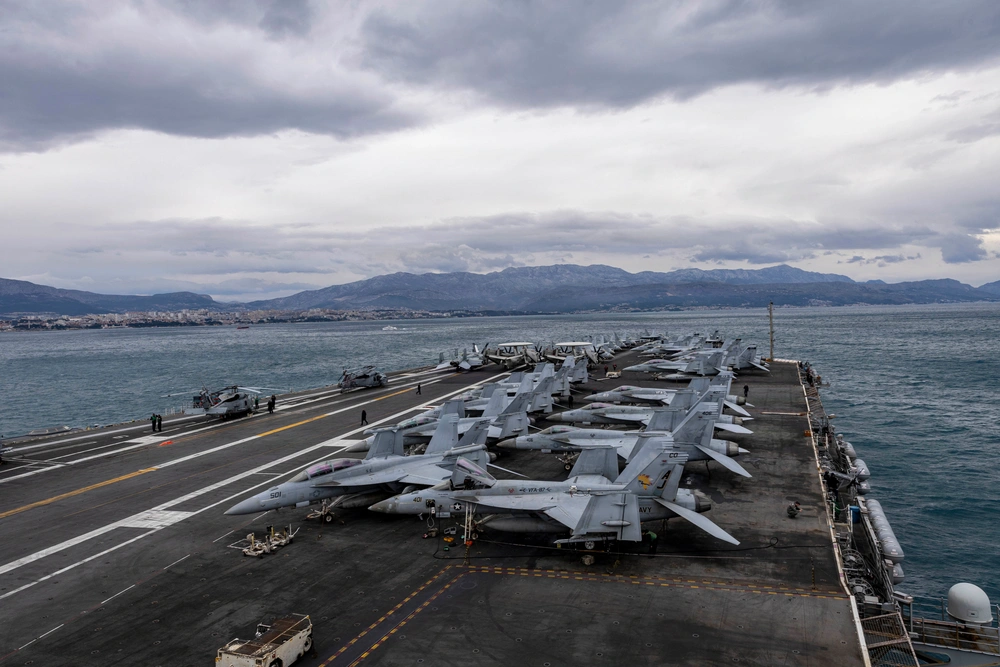
Other possible alternatives are smaller and more maneuverable versions of the aircraft carrier, or even amphibious ships, as well as longer-range aircraft. These still face some of the same issues, though, and do not seem to be adequate replacements for the carrier when it comes to rapid force projection.
For example, having a carrier steam from the the west coast of the United States to the Gulf of Oman has a sobering effect on those in the target region who might be transgressing U.S. interests. It signals that the American government means business, accompanied as it is by its battle group of warships and squadrons of attack aircraft.
It is simply hard to replicate that effect with smaller vessels, or with a squadron of planes launched from further afield, who are then at the mercy of their fuel supplies without a reliable deck on which to land when needed.
Smaller and faster carriers that are staged farther out to sea also lack the same punch when it comes to power projection. They also might be vulnerable to drones and missiles, thus making them as feckless as their larger, slower, more expensive modern forebears.
Alternatively, the way carriers are deployed could change, with them start being stationed farther out to sea – in a safer area – and only move in to deploy human-piloted aircraft once enemy air defenses have been pulverized by drones and missiles.
Is the whole idea of the aircraft carrier going the way of other past military technologies overcome by modernity? It is hard to know. No matter what the future holds for the vessel, though, it is safe to say its future role will not look the same as it does today.
The winners of the future might be those who figure out the quickest what the alternative critical military asset is.
Feature Image: The answers to workforce shortages range from wages to improved working conditions and housing. (U.S. Navy photo by Petty Officer 1st Class Simon Pike)
Read more from Sandboxx News
- Air Force is looking to field a replacement for the legendary B-52 bomber
- Canadian military is getting a new rifle – and Colt was again chosen to produce it
- Air Force’s Rapid Dragon, which turns cargo aircraft into missile launchers, is finally going live
- Recon Marines will need to swim more and hide from drones in training shakeup
- Operation Olympic Games: When history’s first cyberweapon targeted Iran’s nuclear program