Recent efforts by the Marine Corps have demonstrated a commitment to advancing the future of unmanned warfare.
Now, the Corps is standing up the Marine Corps Robotics Integration Group, or MCRIG, a service-level organization that will be tasked with integrating, standardizing, and institutionalizing training for both small drones and counter-drone systems across the service.
MCRIG will validate and disburse the tactics, training, and procedures for drone and counter-drone usage. It will develop curricula, certifications, and standards for the Marine Corps and ensure that every Marine receives the same drone and counter-drone training to the same standard.
The MCRIG will be the hub for unmanned warfare for the Marine Corps.
The group is currently seeking “motivated, technically proficient, and innovative Marines to help build this emerging capability,” the service said.
The Marine Corps is ensuring that “Marines receive standardized, current, and operationally relevant instruction regardless of where they train,” the Corps added.
The group will be part of the Marine Air-Ground Task Force Training Command, Marine Corps Air-Ground Combat Center, Twentynine Palms, California.
Twentynine Palms is an excellent location to build this force. The isolated base’s massive desert environment offers a variety of dynamic training areas – not available at other bases – that allow for greater training freedom, and safe and realistic training opportunities.
The MCRIG will work with and be given data on tactics, techniques, and procedures by the Marine Corps Drone Attack Team and the Marine Corps Counter Drone Team.
The Attack and Counter Drone teams will develop tactics for their respective fields and define training requirements, such as pilot courses. Then, based on that, the MCRIG will develop the course curricula, training support packages, and certification standards. Once this is accomplished, the information will be distributed to the greater Fleet Marine Force.
From there, schools can be established, and Marines can begin training in using attack drones and countering them.
The U.S. military can often move at a snail’s pace, but, what is noteworthy in this case, is that the Corps’ envisioned road for the MCRIG, from developing its training to implementing it, seems rather short.
As training commences, feedback from the drone courses will provide MCRIG with more information on what works, what is difficult, and what needs to be adjusted for the needs of the Marine Corps.
Whether the MCRIG proves able to adjust the training fast will be crucial, because lessons learned this year might be invalid next year, especially in drone warfare.
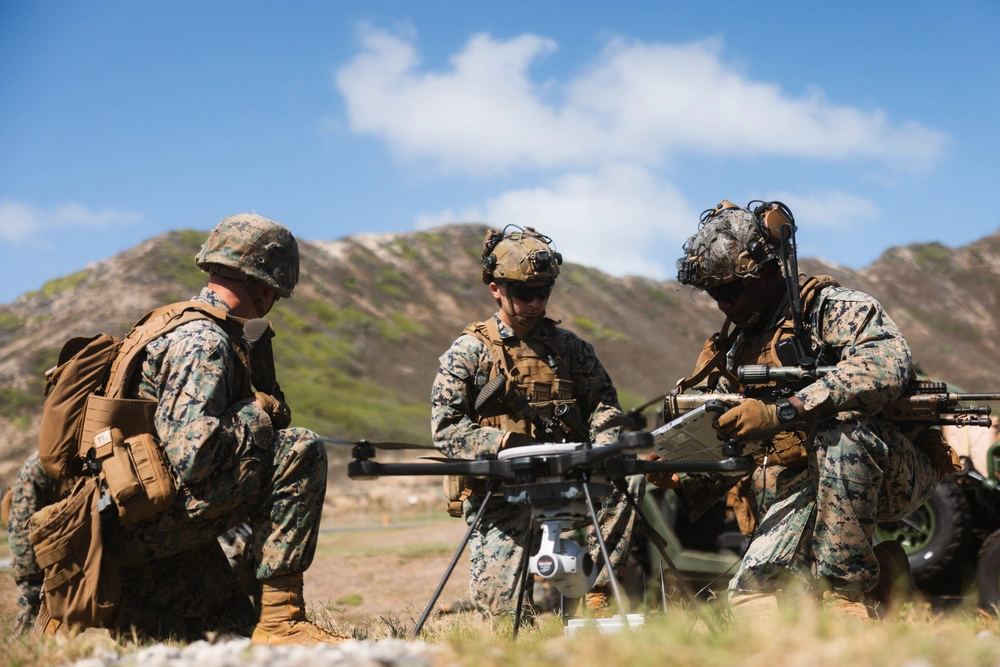
Feature Image: U.S. Marines with 3d Littoral Combat Team, 3d Marine Littoral Regiment, 3d Marine Division, operate an R80D Sky Raider drone during a squad attack range on Marine Corps Base Hawaii, Oct. 15, 2024. (U.S. Marine Corps photo by Sgt. Eric Huynh)
Read more from Sandboxx News
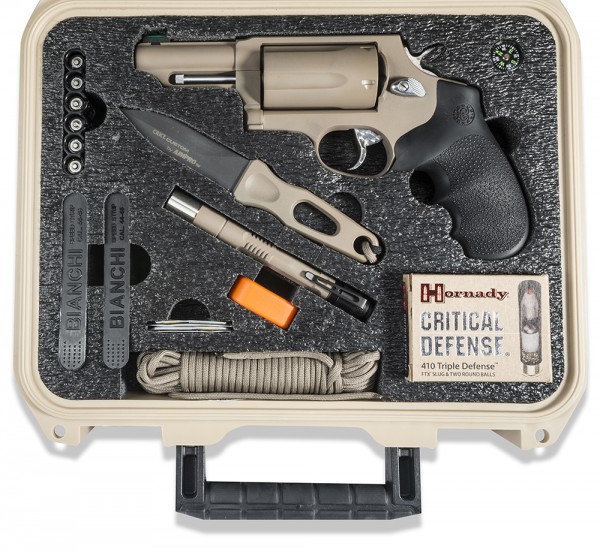
- This is why a SEAL Team 6 member uses the odd Taurus Judge revolver
- Navy plans to create mini-missile to allow stealth fighters to carry more weapons
- Airmen may get kits to build their own drones and drone-killing weapons in the field
- Just how good would an F-22/F-35 hybrid fighter really be?
- Energy drinks were the unsung hero of the Global War on Terror