A failed 2019 U.S. Navy SEAL clandestine intelligence operation – which resulted in the deaths of multiple North Korean fishermen – is the backdrop for a brewing legal fight between the U.S. government and the New York Times.
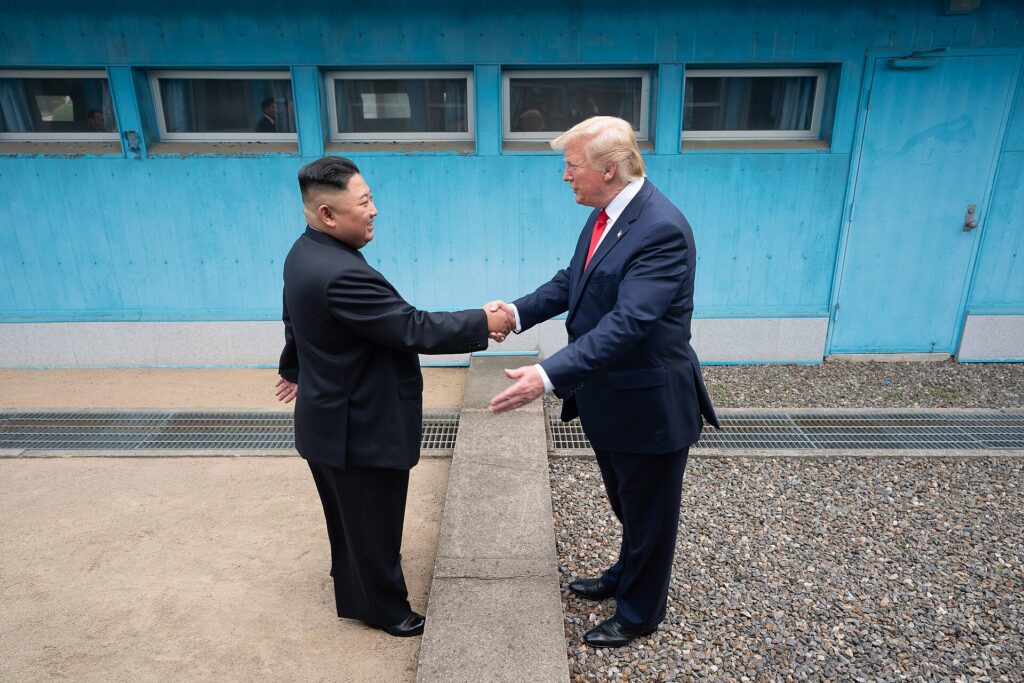
Back in late 2018, the first U.S. administration of President Donald Trump was engaged in sensitive and high-level nuclear talks with the government of North Korea. Those talks included a planned face-to-face meeting between U.S. President Trump and North Korean leader Kim Jong Un, which was scheduled for early 2019.
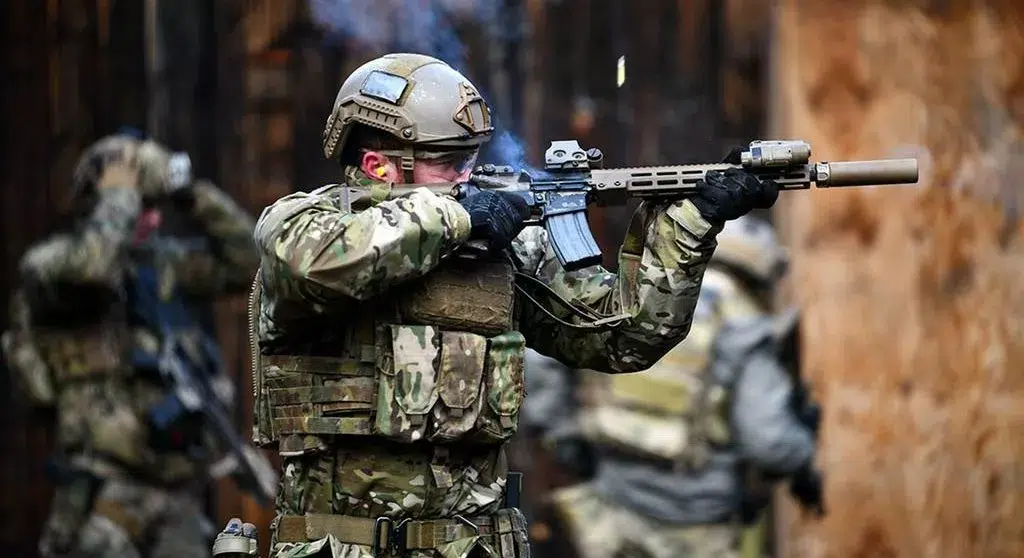
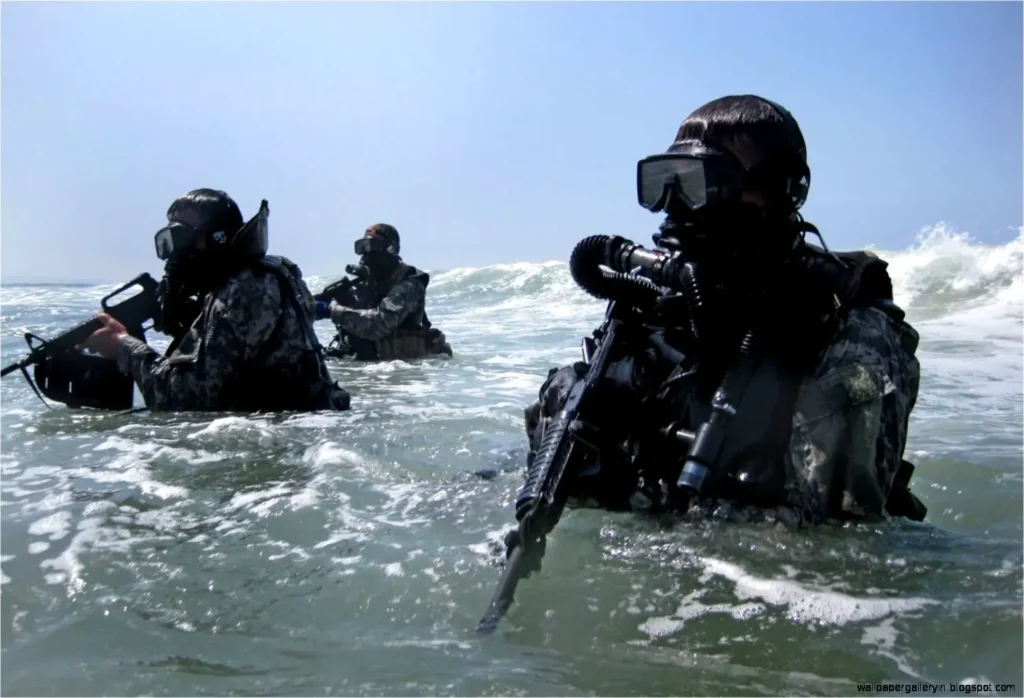
According a New York Times piece published in September 2025, prior to that face-to-face meeting in 2019, Navy SEALs from the secretive SEAL Team 6 undertook a daring clandestine operation to plant a listening device along the coastline of North Korea to eavesdrop on the communications of the reclusive North Korean leader ahead of the talks themselves.
That operation then failed, according to the Times, when the SEALs and their surfaced submersibles were discovered on the coastline by a small local maritime vessel searching the area with flashlights.
Presumably fearing compromise by some North Korean military or security unit, the SEALs opened fire on the vessel and killed the personnel on the small craft.
Upon inspecting their bodies, it turned out that they they were merely local fishermen working in the area. The SEALs then sank their bodies in the ocean, according to the reporting, before fleeing, due to this inadvertent compromise, without implanting the listening device.
Arguably, had the operation succeeded and not resulted in any North Korean casualties, the story would likely never have made it into the open press. Instead, it would have resulted in an ongoing intelligence stream that would have been kept up for some time.
However, after the mission’s failure, some in the U.S. military thought it needed to become publicly known. They thus reportedly disclosed the story to a New York Times freelance reporter.
Fast forward to February of this year and the U.S. government subpoenaed the freelance journalist who co-authored the 2025 Times article, according to multiple media outlets.
This legal maneuver was meant to acquire both the journalist’s notes and testimony, in order to discover who in the U.S. military was responsible for disclosing the highly sensitive information about the operation. The New York Times disclosed the February subpoena on August 1, bringing us to the present day.
The Justice Department has not spoken publicly about the subpoena, other than to state it will use all legal tools to attempt to uncover those who illegally disclose national defense information. In the case of the North Korea-SEAL story, that presumably includes many of the “two dozen” unnamed sources who contributed to the reporting. In the meantime, the New York Times is contributing to Cole’s legal defense, and will likely fight hard to assert its First Amendment rights in seeking to protect its sources.
One thing is sure: both sides will likely pull out all the stops to win their case, and roughly two dozen anonymous officials will nervously await the outcome of the legal action. Meanwhile, neither the U.S. government nor the government of North Korea has publicly acknowledged the failed operation or its fallout.
Feature Image: Navy SEALs insert on a beach during a training exercise. (Sealswcc.com)
Read more from Sandboxx News
- Marine Corps receives its final MV-22 Osprey in grand ceremony
- To join a special operations unit you have to get used to your rucksack
- How the F-22 Raptor silenced its critics 20 years ago
- Accounts of daily life with the Delta Force through 18 months of global training
- It took more than stealth to make the F-117 Nighthawk a combat legend