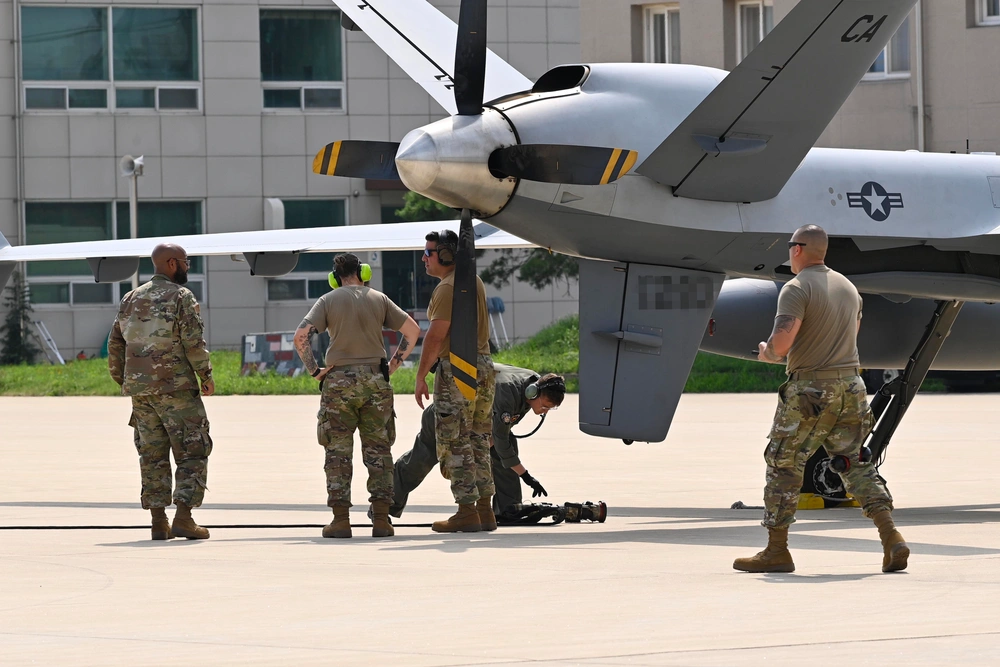
American forces have reportedly lost 10 MQ-9 Reapers so far in the joint offensive with Israel against Iran. This claim comes from unnamed sources who spoke to Air and Space Forces Magazine; CBS News has also reported similar losses, citing unnamed officials.
The MQ-9 is a remotely-piloted intelligence, surveillance, and reconnaissance (ISR) and strike aircraft which costs anywhere between $20 and $35 million; this adds up to a total cost of somewhere between $200 million and $350 million for the reported losses.
These losses aren’t much of a surprise, however – after all, the MQ-9 is a non-stealth drone that was designed and fielded to operate in the uncontested airspace of the Global War on Terror.
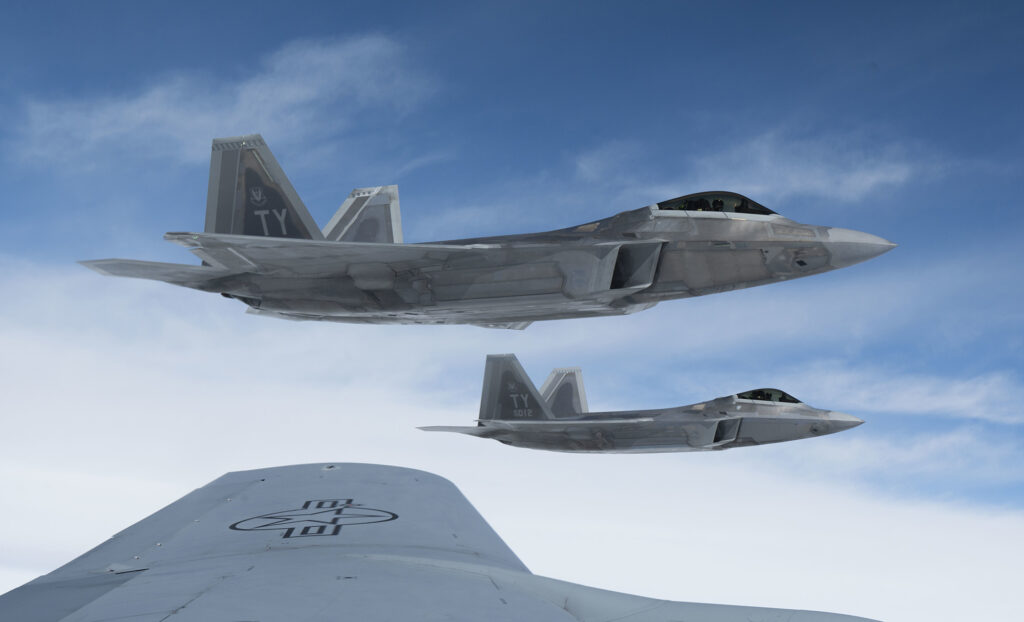
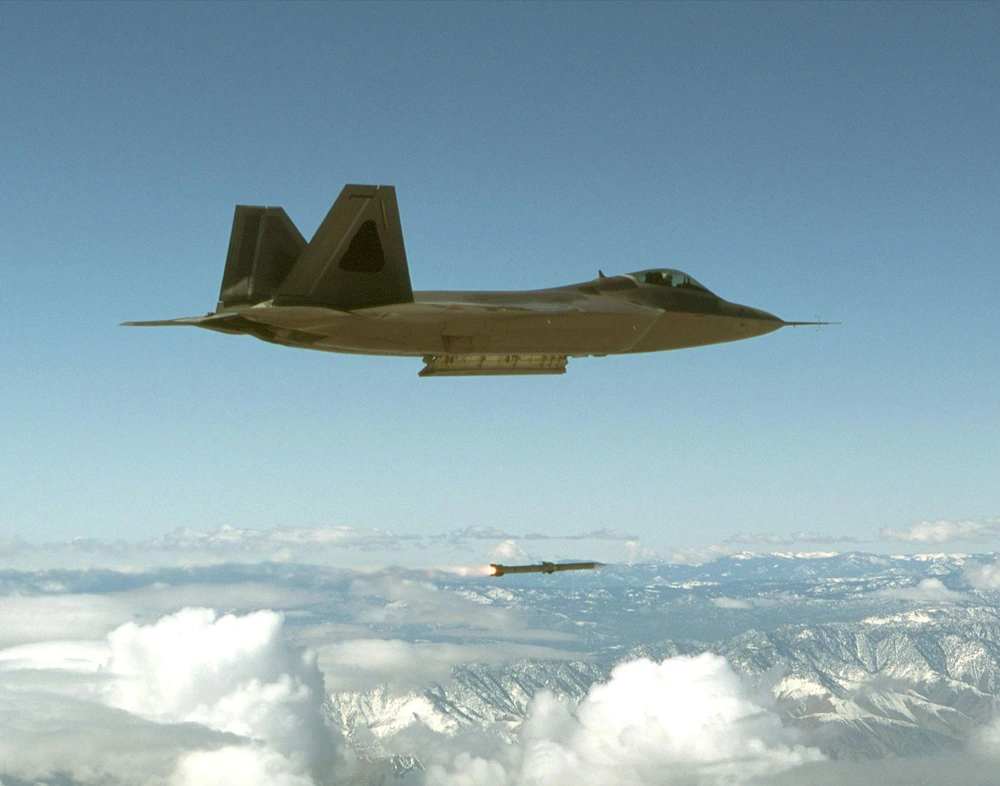
In a way, these MQ-9 losses serve as a valuable reminder of the real risk that’s present in the skies over Iran, and why stealth designs and technologies have become so important in modern air warfare.
The General Atomics MQ-9 Reaper first entered service in 2007 as a larger and more capable follow-up to the MQ-1 Predator that rose to fame in the early 2000s. It offers extended duration loiter times; an advanced and robust intelligence, surveillance, and reconnaissance suite; and the ability to carry and deliver up to 1,500 pounds of precision-guided ordnance. Among others, it can carry laser and GPS guided bombs, up to eight Hellfire missiles, or even air-to-air weapons like the AIM-9X Sidewinder.
The MQ-9 can fly at altitudes of up to 50,000 feet, which allows it to operate well above the reach of shoulder-fired infrared-guided missiles like MANPADS. It can remain airborne for upwards of 27 hours at a time with flight crews rotating at the controls, and can cover 1,200 miles in a single sortie. But while all of these capabilities came in very handy for asymmetric combat operations against terrorist groups, none of them make the MQ-9 any less of an easy target for even long-dated surface-to-air missile systems.
The MQ-9’s radar cross-section has not been publicly disclosed, but generally speaking, the Reaper is anything but a stealth platform. And to make matters worse, the Reaper’s 900-horsepower Honeywell turboprop engine is only capable of pushing the aircraft to a maximum speed of just 300 miles. In standard operations, the MQ-9 tends to sly at roughly 25,000 feet and at just 194 miles per hour.
MQ-9s are operated by rated pilots working alongside enlisted sensor operators, but when being engaged by surface-to-air missiles, there’s very little the pilot can do.
According to an MQ-9 pilot who asked to go only by Dennis, the delay, or signal lag, routing his commands to the aircraft can sometimes take upwards of 1.4 seconds, and the same is true for signals coming from the MQ-9 to the pilot. That means that, even if an MQ-9 were equipped to detect the launch of an incoming surface-to-air missile, it might take upwards of 2.8 seconds before the pilot finds out, makes a decision, and relays that command back to the aircraft.
Feature Image: An MQ-9A Reaper assigned to the 163d Attack Wing, California Air National Guard, conducts an aviation delivered ground refueling from a U.S. Marine Corps KC-130J aircraft at Gwanju Air Base, Republic of Korea, July 22, 2025. The event marked the first time a U.S. Marine Corps KC-130J refueled an MQ-9A at Gwanju. (Photo by Maj. Eve Derfelt/163rd Attack Wing)
Read more from Sandboxx News
- Marines conduct first air insert of an unmanned ground vehicle
- Lockheed Martin will quadruple production of sophisticated THAAD systems as US stockpiles diminish
- Army unveils its first new offensive hand grenade in nearly 60 years
- American and Israeli forces have struck more than 6,400 targets across Iran
- How have four years of war impacted the Russian military