
As of December 18, the fiscal 2026 National Defense Authorization Act – the massive package of pay and policy that builds the military’s annual budget – is now the law of the land. The bill comes with a respectable 3.8% pay raise for all military members, keeping pay on par with inflation rates. But within the $900 billion package are other extras too, aimed at bumping up allowances and improving quality of life.
Here are the big ones you should know about.
Bonuses for JROTC instructors
Amid a documented shortage of Junior Reserve Officer Training Corps instructors, the defense budget authorizes a one-time bonus payment of $10,000 to veterans who agree to serve as a JROTC instructor for at least a year. The law does not require these bonuses, but it does authorize the secretary of the relevant service branch to pay them if they so choose. The temporary bonus authority will last for five years and require annual briefings to Congress about how often the bonuses are used and how effectively they are combating shortages.
It’s not easy to fill JROTC instructor positions. In the Army last year, according to a Military.com report, there were 500 instructor vacancies. Congress has already moved to ease up on certain restrictions, such as the requirement that all instructors be 20-year retirees. JROTC instructor pay is half funded by the school district and half by the military, and can be as low as $40,000 in some areas, so a $10,000 bonus could go a long way to make the job more appealing.
More financial assistance for child care

For servicemembers stationed in areas with a high cost of living, the new NDAA authorizes a pilot program that would increase the maximum amount of financial assistance available for each children, two years old or younger, requiring child care. Which areas would qualify for this help and how much the potential increase would be are still to be determined.
The language of the law leaves many of the details to the discretion of the secretary of defense. But if the SecDef does decide to set up the pilot program, it comes with a requirement to report to Congress the number of families benefiting from it; the system for determining how much extra help families should get; the number of areas for which assistance is provided; and an assessment of whether additional funding helped reduce costs for affected families and increased number of providers and access to care.
Child care for military families has long been in short supply, but a Pentagon hiring freeze this year has reportedly worsened the challenge of finding providers. While increased aid may help military families, NDAA authors also hope it will encourage more child care providers to enter the market.
Increased family separation allowance
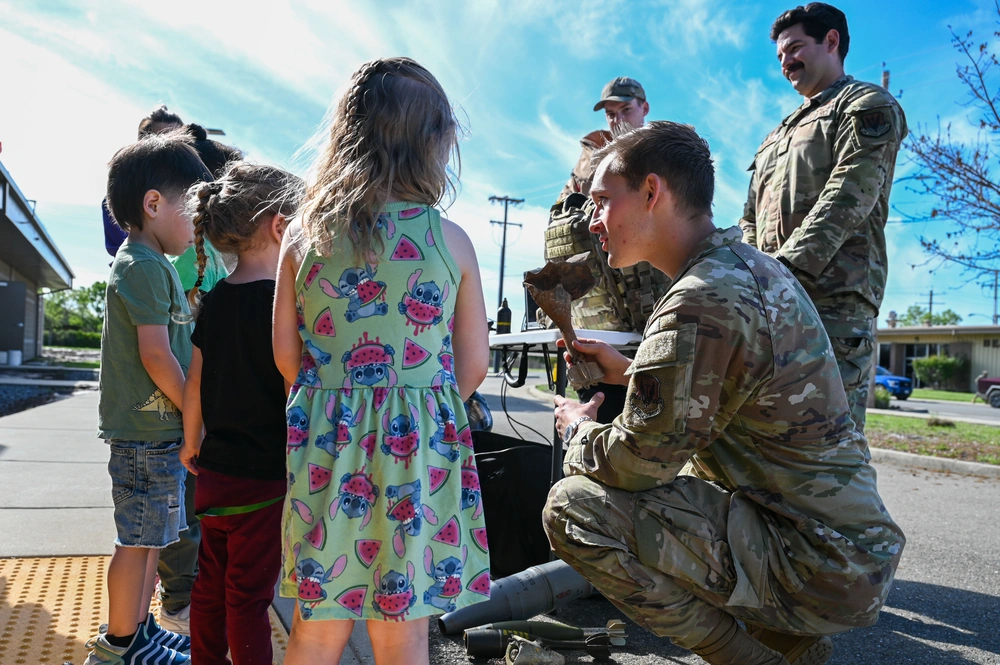
For servicemembers stationed in locations where their family can’t follow, the new defense budget bumps up the monthly allowance they’re owed for the hardship. As of the passage of the bill, these servicemembers will see their monthly allowance increase by $50 for a total of $300. The increase followed a previous authorization in the Fiscal 2024 NDAA to increase the allowance to $400 – an authorization the Defense Department has yet to act on.
In addition to forward-deployed locations, certain duty stations are typically classified as unaccompanied tours due to local restrictions, risk, or lack of infrastructure – such as schools and child care centers – for families and children. These include South Korea, Bahrain, Turkey, and Djibouti, among others.
Imminent danger pay areas get review
Troops who are sent by the military into harm’s way are due an additional payment – up to $7.50 per day, or $225 per month, to account for the risk they’re assuming. But which regions of the world count as risky? According to the Defense Finance and Accounting Service, the last time the list of imminent danger pay-eligible regions was updated was 2023, when the Bab-al-Mandeb Strait, Gaza Strip, Gulf of Aden, Red Sea, and Ukraine were all added. As military activities intensify around U.S. Southern Command, regions around South America remain noticeably absent from the list. The only South American nation with a danger pay designation is Colombia, with a land-only authorization dating to 1985.
The new defense budget would require a review of designated areas, to begin no later than March 1, 2026, to determine whether the list is still relevant and recommend changes to Congress within 60 days. It also initiates a routine review process to take place every five years to keep the list current, with the next review to take place in 2031.
Better food allowance

The allowance meant to offset the cost of food for servicemembers is set to get an upgrade.
The Basic Allowance for Subsistence (BAS) currently is set by an annual calculation related to the USDA’s food cost index, which sees modest increases every year; for enlisted members it increased, between 2024 and 2025, it increased from $460.25 to $465.77 per month.
The NDAA would formally set BAS to match a “liberal food plan for a male in the United States who is between 19 and 50 years of age,” as determined by the secretary of Agriculture on October 1 of the preceding year. That will amount to a slight increase – under the new calculation, the allowance for 2026 would be around $474 – but it would also simplify the math to evaluate future increases. The budget also calls for a study due to Congress on how the military uses BAS funds when it provides food to troops, on the heels of scrutiny over millions reportedly taken from these allowances to fund other Army priorities.
Improving BAH
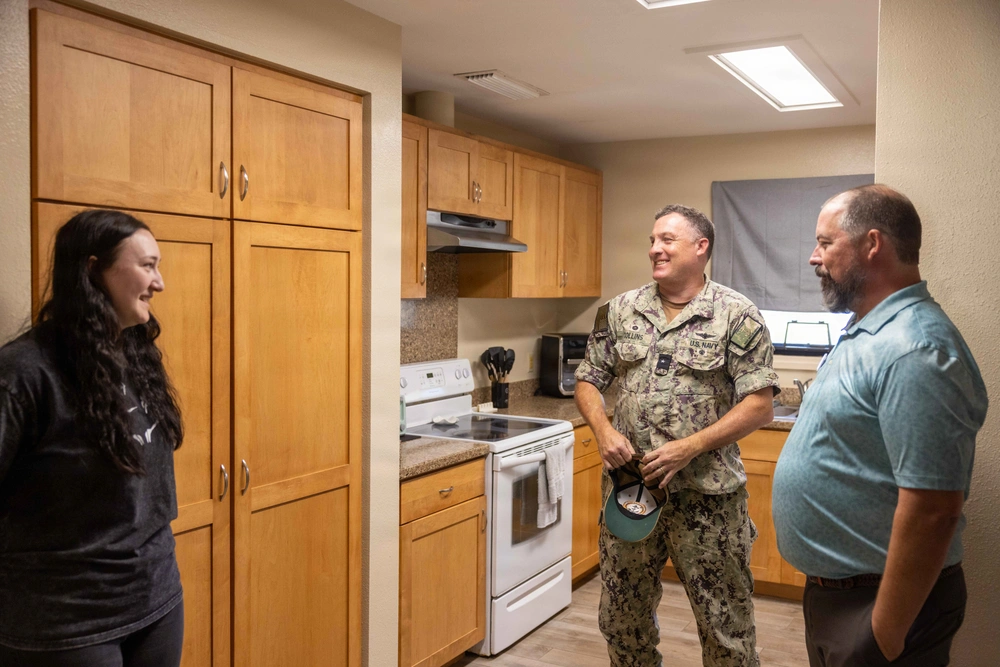
Several provisions in the NDAA pertain to the military’s Basic Allowance for Housing (BAH), paid to all troops who live off-base based on their location, time in service, and number of dependents.
Sudden increases in cost of living in recent years have surfaced concerns about BAH rates, which are set annually and don’t change mid-year without congressional intervention. One NDAA measure would improve transparency around the BAH calculation by creating a “clear, accessible document” that explains rates, calculations and methodology, and making it available on a public website while also distributing it to troops ahead of military moves. An additional section would require the secretary of defense to commission a study to assess alternative ways to calculate BAH with an eye, in particular, to determining whether building artificial intelligence and machine learning into the calculation could result in better outcomes.
Studying increases in military move allowances
Troops and military families undertaking permanent change of station moves may also see increases in their reimbursement rates sometime soon. The NDAA requires the secretary of defense to submit a report to Congress on the adequacy of current reimbursements for expenses. The report will need to survey at least 10,000 recently moved troops and also collect feedback from spouses and aid societies to generate a statistically valid look at how well allotted funds cover actual expenses. Included in evaluated expenses will be those costs not typically reimbursed, including early termination fees, pet moves, temporary storage, and replacement of damaged items.
While few items in the new NDAA will result in immediate cash increases for troops, these allowance changes and re-assessments could result in substantial pay and reimbursement bumps for servicemembers and their families in the coming years.
Feature Image: Master Sgt. Boe Vanatti, a member of the 113th Contingency Response Squadron, speaks to the Junior Reserve Officer Training Corps from Terre Haute North Vigo High School visits Terre Haute Air National Guard Base, Indiana, Oct. 23, 2025. JROTC is a high school program that teaches students citizenship, leadership and basic military skills through classroom instruction and hands-on activities. (Air National Guard photo by Senior Airman Nicholas Momotiuk)
Read more from Sandboxx News
- The incredible firepower of the US Army’s Night Stalkers
- Toys for Tots – Marines bringing Christmas cheer
- A very MACV-SOG Christmas: How a spec ops team survived against all odds
- The Christmas Truce of 1914 put a global conflict on pause
- How an American soldier earned the Medal of Honor in a POW camp