Military aviation hasn’t been around for all that long. The first military aircraft ever built, the Wright Military Flyer, was only delivered 117 years ago. (For comparison, Crayola Crayons and Gillette razors have been around longer than military aviation has.)
Yet, now we are building extremely capable 5th-gen stealth fighters and are on our way to 6th-gen bombers and fighters.
All that change over this relatively short period of time came with a lot of challenges, including finding a logical way to name all the different kinds of aircraft that were being built for all sorts of very specific roles.
For a long time, each branch found its own solutions to these problems. For example, the U.S. Navy would use a letter prefix to denote the manufacturer, followed by a number to indicate the plane type from that manufacturer, like the A-1 Curtis hydroaeroplane and the B-1 Wright landplane.
But by 1962, the Pentagon decided it was time for everyone to get on the same page – specifically, the Air Force’s page. So, a joint aircraft designation system was adopted that ultimately matured into the Mission Design Series, or MDS, designation model we have today.
Under the MDS, most military aircraft start with just their Basic Mission identifier.
“A” stands for “Ground Attack,” like the A-10 Warthog.
“B” stands for “Bomber,” like the B-2 Spirit.
“C” stands for “Transport or Cargo,” like the C-130 Hercules or the C-17 Globemaster III.
“E” stands for “Special Electronic Mission,” like the electronic-warfare EA-18G Growler.
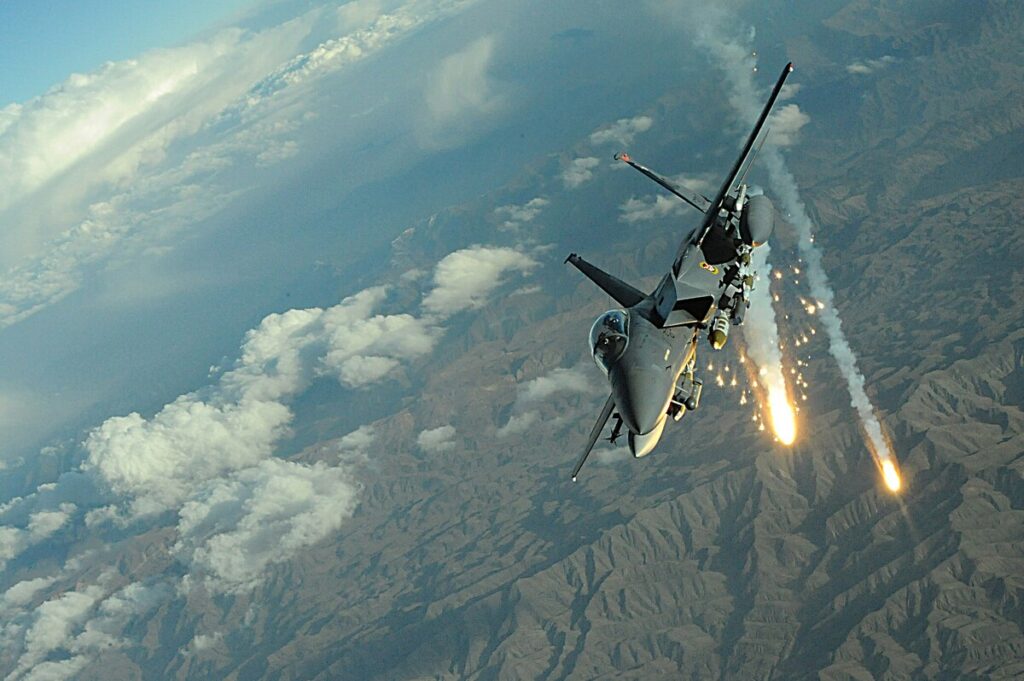
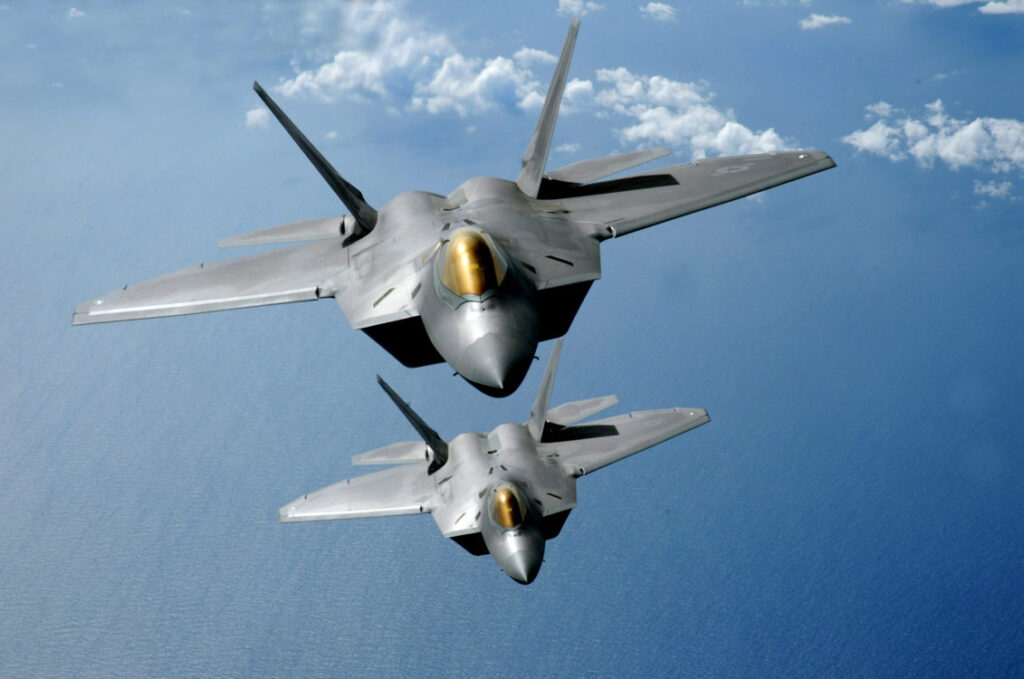
“F” is for “Fighter” like the F-15, F-16, and F-22.
“K” denotes for refueling tankers, like the KC-135 or KC-46.
“P” is for “Maritime Patrol,” like the P-8A Poseidon.
“R” is for “Reconnaissance,” like the RQ-4 Global Hawk.
“T” is for trainer” aircraft like the T-6 Texan II or T-38 Talon.
“U” is for utility aircraft, like the UH-60 Black Hawk helicopter.
And “X” is for Special Research aircraft, like the supersonic X-1 or the hypersonic X-15.
And in 1997, we added “Q” for drones and unmanned aircraft.
Occasionally, you might see a second letter in that prefix. In those cases, the first letter acts as a mission modifier, which usually means that aircraft was designed for the mission indicated in the second letter, but can also be used for the mission indicated in the first.
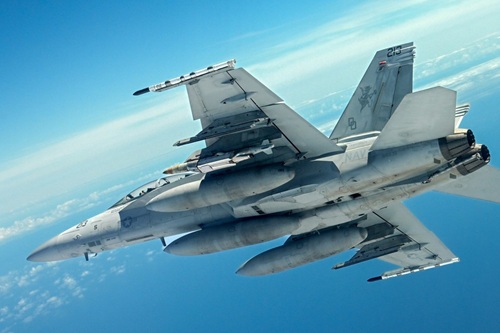
One good example is the F/A-18 Hornet, which, by naming regulations would mean it’s an aircraft that was designed for the air-to-ground attack mission but could be used for the Fighter or air-to-air mission.
Of course, in the case of the Hornet, the aircraft was actually designed to do both, and went on to become the first military aircraft in history to seamlessly transition between the two roles mid-flight in 1991.
Today, the F/A-18 Super Hornet and forthcoming F/A-XX carry the same designation, despite all modern fighters being equipped for both air-to-air and air-to-ground operations.
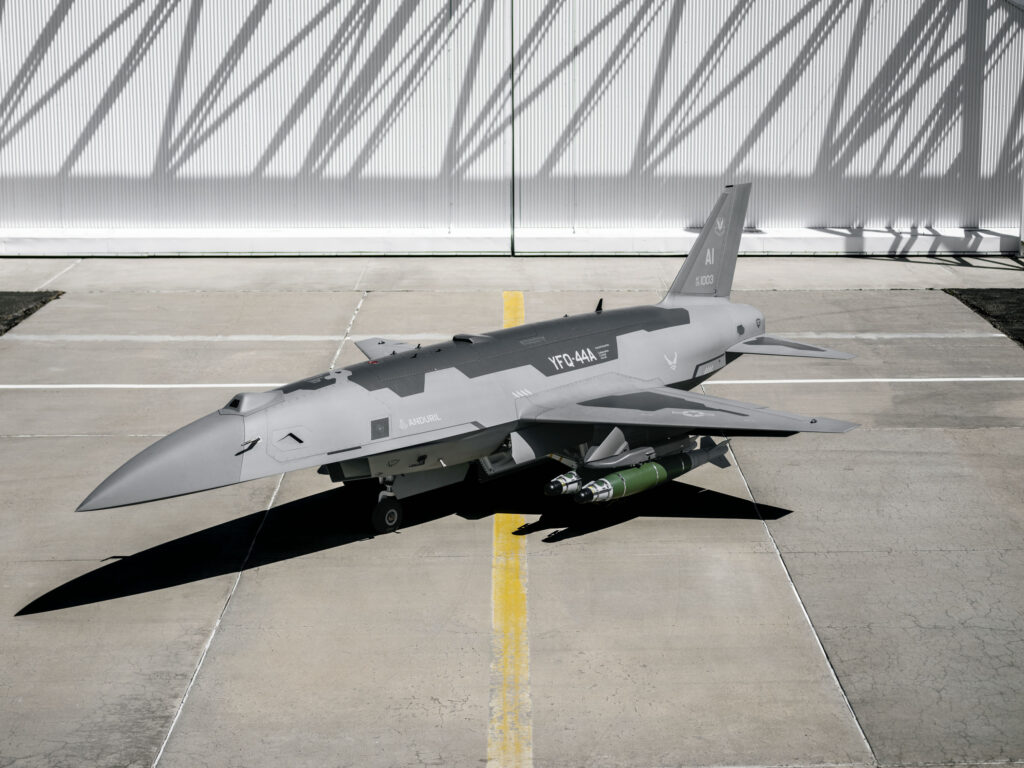
Another example of aircraft with two letters in their prefix are the new FQ-42 and FQ-44 collaborative combat aircraft. These were designed first and foremost to be drones and, somewhat secondarily, to fly the fighter mission.
Feature Image: An F/A-18 aircraft carrying a JDAM-LR. (U.S. Navy)
Read more from Sandboxx News
- Starman: The Green Beret superhero who was meant to be there
- What will the future of America’s fighter and bomber production be after Boeing’s double win?
- The USS Gerald Ford spent 326 days at sea. But the Navy says it’ll be fixed In six months.
- An important F-35 part is actually made out of sapphire
- Florida fisherman reels up a unique catch: a LUCAS kamikaze drone