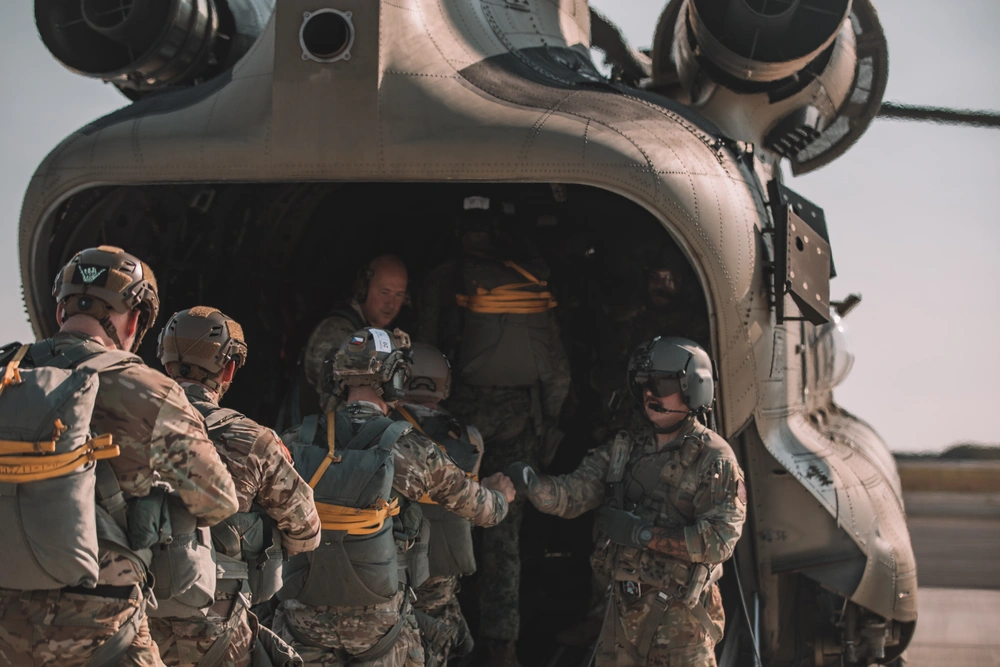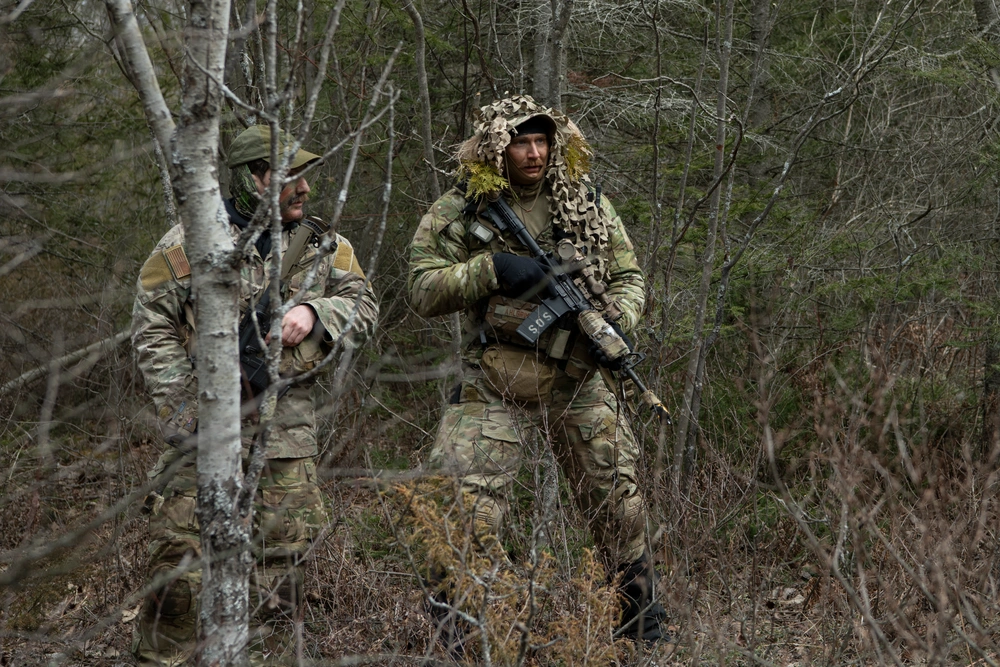
Imagine for yourself a scenario in which a U.S. special operations unit, in the dark of night and in a foreign land, has just successfully raided a compound that intelligence reports indicated might be associated with a known target or intelligence information of high interest. The smoke is clearing, the chaos of combat is fading into a more stable situation, and all that remains to be handled – before exfiltrating from the area – is what is known as “sensitive site exploitation” (SSE).
SSE refers to how a special operations unit processes on-site what it has found, so as to not leave anything or anyone important behind when it departs. While popular media often depict such scenes as clear-cut and obvious, where the “important” intelligence and/or high value targets are easily identifiable – think of a target as well-known as Osama bin Laden – it is rarely that simple. The important persons or intelligence information are not usually easily identifiable.
Things get murky and confusing out in the field and important information is not always obvious on its face. Enemy faces do not always look like their wanted posters or well-known photographs or news clips. Not every High Value Target is as ubiquitously present in the media as bin Laden was.
Further, there might be additional high-value persons or pieces of information on target – which just happened to be there through good luck – that are nonetheless just as valuable to the U.S. national interest, if the operators can only successfully identify them as such in the moment.
Additionally, figuring out – before exfiltration – exactly who the enemy combatants are, both alive and dead, who the noncombatants on target are, and what is the nature of the trove of documents and digital data, is all critical.
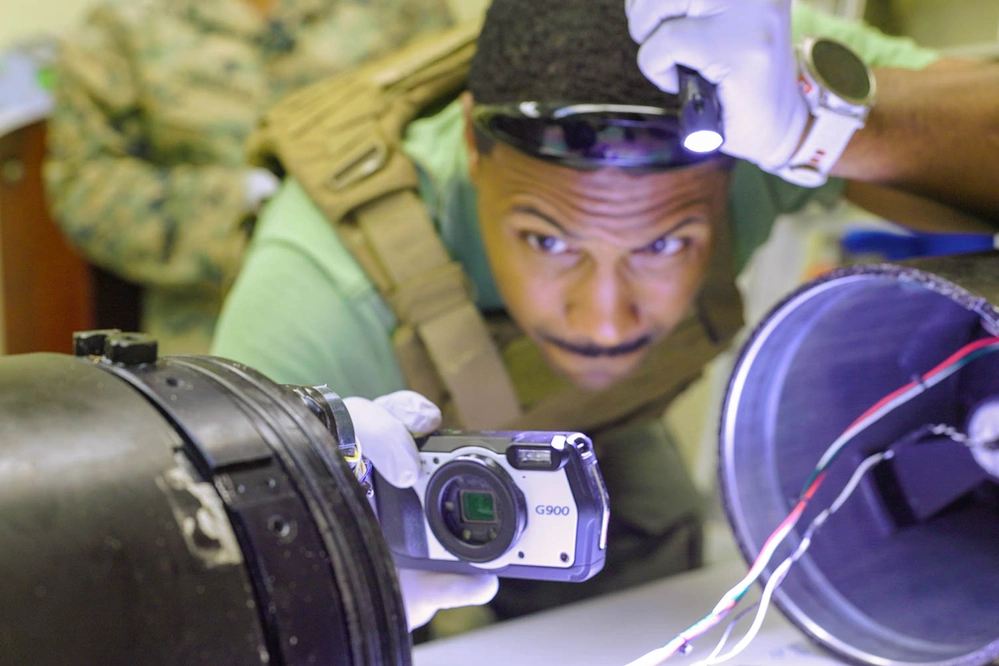
Until now, special operations units would often be assisted by human intelligence analysts in conducting SSE. These analysts would be subject matter experts and located either at a forward operating base, possibly on-target, or were consulted through secure communications.
Now SOCOM would like to add artificial intelligence to its SSE toolbox, according to a recent news report.
SOCOM has submitted a request for information, in association with the “USSOCOM Tactical X Event 2026,” to gain knowledge on industry capabilities related to AI use in SSE. According to the request, SOCOM specifically seeks information on AI capabilities pertaining to facial recognition, speaker identification and voice matching, rapid identification of people and materials, and biometric and DNA recognition.
This makes perfect sense and it’s expected that the U.S. military, and SOCOM specifically, would be seeking to augment already-existing capabilities with AI.
If a dedicated (and highly classified) AI platform is built and “programmed” by the intelligence community, and is fed by relevant intelligence data to allow the most up-to-date identification capabilities, it could improve the SSE capabilities of America’s elite units.
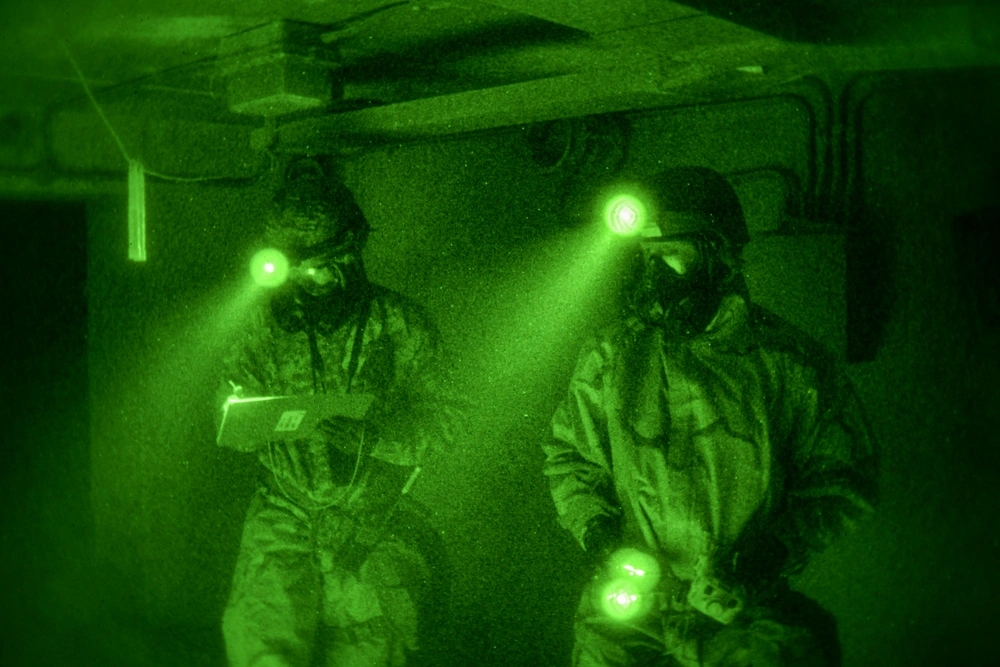
Feature Image: U.S. Air Force 1st Lt. Blake Janas, left, 386th Expeditionary Civil Engineering Squadron officer in charge of planning, real property and environmental compliance, and Tech. Sgt. Joe Vaughan, 386th ECES emergency management technician, inspect the interior of a simulated chemical weapons lab during a sensitive site exploitation exercise within the U.S. Central Command area of responsibility, July 24, 2025. The exercise included identifying chemical agents, documenting the scene and collecting samples under hazardous conditions. (U.S. Air Force photo by Tech Sgt. James Fritz)
Read more from Sandboxx News
- This is the system that used jet power to help overloaded aircraft take off from very short runways
- This is what made the MP7 SEAL Team 6’s favorite Personal Defense Weapon
- New frontiers in anti-drone munitions were on display at SHOT Show 2026
- Keeping top combat aircraft flying is expected to only get more expensive, consulting firm says
- Video shows lone Ukrainian soldier taking out Russian T-80 tank with an RPG