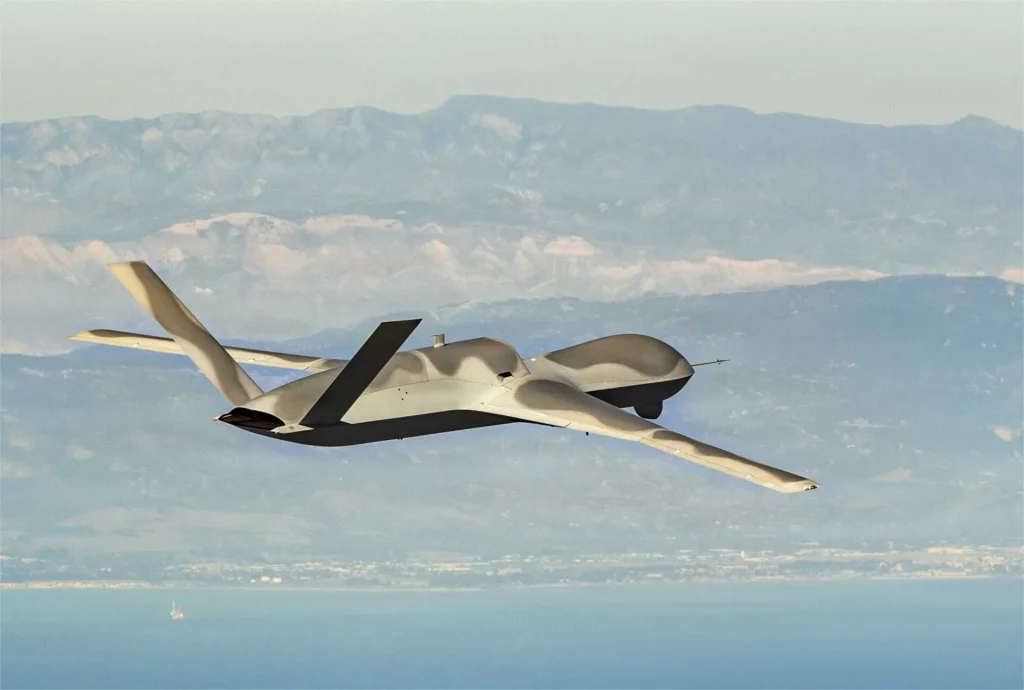
The U.S. Navy is looking to field its own carrier-based AI-piloted drone fighters, and now we finally have an idea of what it wants these jets to do, and how much they want them to cost.
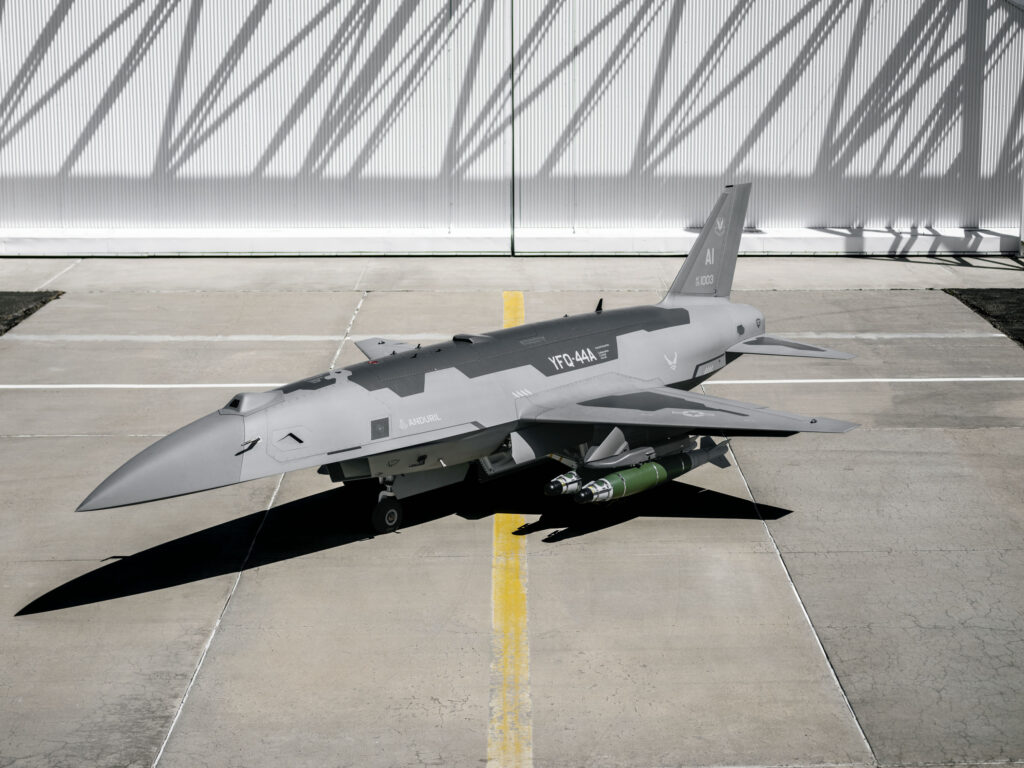
The Air Force already has two drone fighters in production and headed for service: these Collaborative Combat Aircraft, or CCAs, are Anduril’s FQ-44 Fury and General Atomics’ FQ-42 Vengeance. These aircraft were awarded contracts for Increment One of the Air Force’s CCA effort; another tranche of drone platforms are now competing to win production contracts for the Air Force’s Increment 2.
But the Navy is not far behind.
The branch released an RFI, or Request for Information, to industry that breaks down what it’s looking to get out of its first Increment of CCA contracts.
Per reporting from USNI News, the Navy RFI, which closed on September 18, says the branch wants two fully functional drone fighter prototypes that can achieve first flight within two years and shore-based carrier certification within three years, or optimally less, of contract award.
These drone fighters, which are refered to as unmanned autonomous prototype air vehicles, will need to operate aboard both Nimitz– and Ford-class supercarriers. Therefore, the aircraft need to be resilient enough to withstand the much more abrupt power transfer on launch that you get from older steam catapults.
But the Navy isn’t only focused on carrier capability: it also wants these drone fighters to be able to operate from austere, or hasty, airstrips.
Carrier operations, however, highlight the biggest difference between CCAs being developed for the Air Force and those developed for the Navy.
The landing sink rate of carrier-based aircraft, or the speed in which they’re descending when they land, is usually between three and seven times faster than that of land-based fighters. This speed forces the landing gear and airframe to absorb anywhere from around six to 60 times the kinetic energy that an Air Force aircraft landing on land experiences.
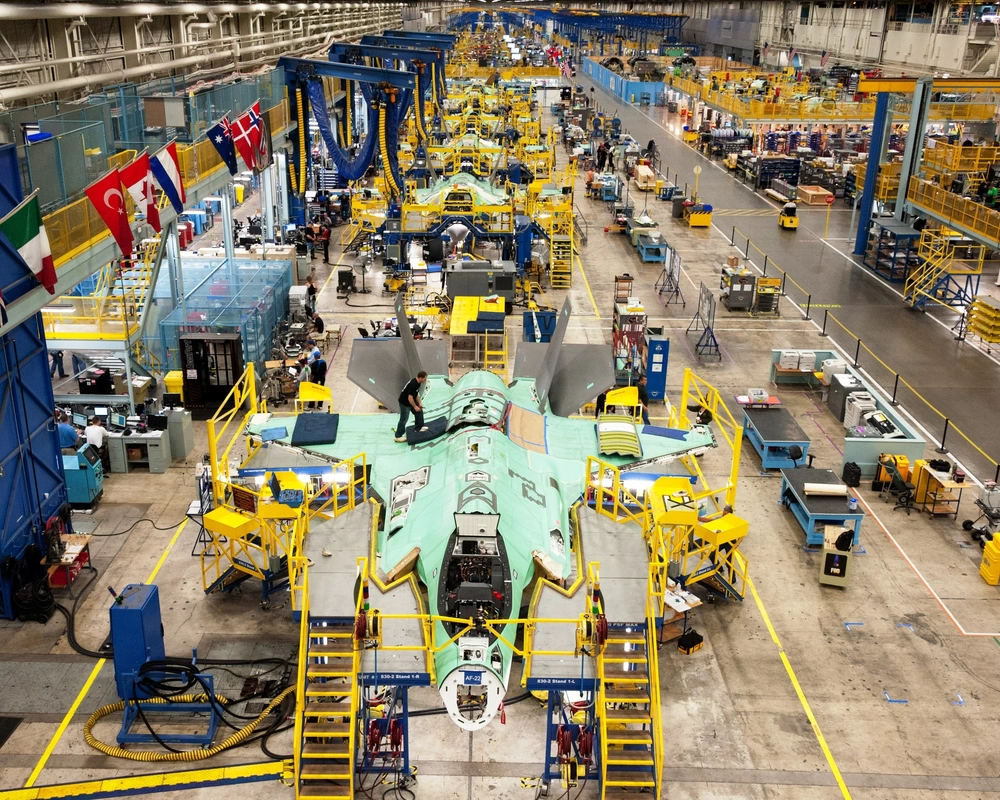
Likewise, runway takeoffs and landings subject fighter pilots to less than half a G each way, while catapult launches and arrested landings on carriers subject the pilot, and the aircraft, to more than 4 Gs each way. All that abuse means carrier-capable aircraft need much beefier landing gear and structurally reinforced airframes. (This is a big part of why the carrier-based F-35C weighs about 5,500 pounds more than the runway queen F-35A.)
The Navy wants these carrier-capable CCAs to include reconfigurable payload configurations. It said that it will consider both external and internal carriage of munitions, suggesting that stealth isn’t the highest priority for this first batch of drone fighters.
In fact, the RFI even stipulates that the CCA prototypes must be able to carry at least four 2,500-pound munitions underwing throughout carrier certification and the platform’s entire intended flight envelope. That means these drone fighters need to boast at least a 10,000-pound payload capacity.
The maximum combat radius required has not been publicly disclosed, but allegedly the Navy is aiming for 1,000 nautical miles (or about 1,850 kilometers). Further, the Navy wants these drone fighters to be able to loiter at that range for up to 30 minutes before having to turn back.
Based on those requirements, the drones will have a sizeable fuel load, but the Navy also specifies that they can’t occupy more deck space than a 4th-generation fighter, i.e. more space than Super Hornets and Growlers. Those payload and range requirements also suggest that these CCAs will need to be larger than those in production for the Air Force.
These drone fighters will take their cues from human pilots in nearby aircraft using a Lockheed Martin-sourced control interface.
The Navy wants them to cost in at under $30 million per aircraft, or roughly one-third the price of a carrier-based F-35C.
Feature Image: An MQ-20 Avenger drone. (U.S. Navy)
Read more from Sandboxx News
- Wonder-weapons of World War II: The German viper and the American goblin
- Beretta unveiled its new rifle – and it’s already found a major customer
- What do the different prefixes of military aircraft mean?
- Starman: The Green Beret superhero who was meant to be there
- What will the future of America’s fighter and bomber production be after Boeing’s double win?