The submachine gun, or SMG, seems to have no home these days. Amongst modern military forces, it has been traded in for short-barreled carbines.
These carbines offers better ballistic performance, longer range, and greater penetration through cover and armor than SMGs do. At the same time, they aren’t that much larger than an SMG, and troops are already trained with the platform.
That leaves us with the question: what’s the place of submachine guns in modern militaries?
Submachine guns are typically defined as select-fire weapons that fire pistol-caliber ammunition, and are typically fired from the shoulder. (There are some exceptions to these rules, for example, some variants of the MP5K lack a stock entirely, and weapons like the MP7 and P90, fire a dedicated PDW cartridge.)
The first submachine guns first appeared at the tail end of World War I. They were used for close-quarters fighting, in and out of trenches, as they were short, compact, rapid-firing, and low-recoil weapons.
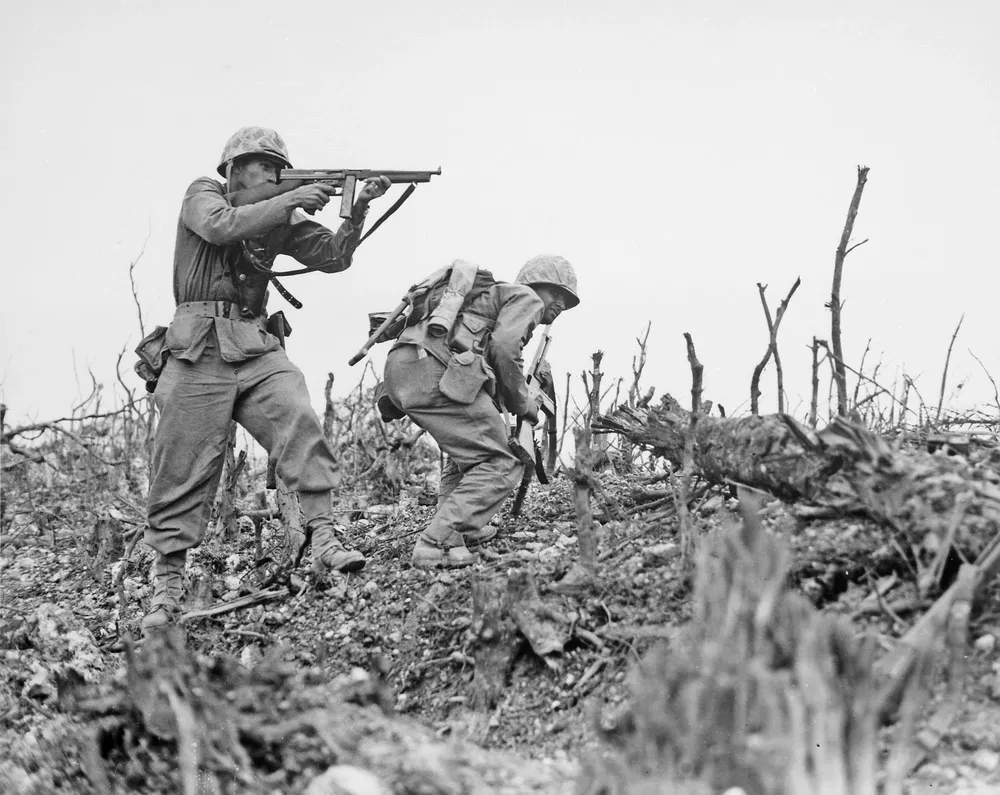
World War II saw the true rise of submachine guns, with seemingly every military force issuing the weapons alongside rifles, machine guns, and automatic rifles.
During that war, submachine guns proved exceptional for close-quarters fighting, for use around vehicles, and at suppressing the enemy at close range, and became quite popular across the battlefields.
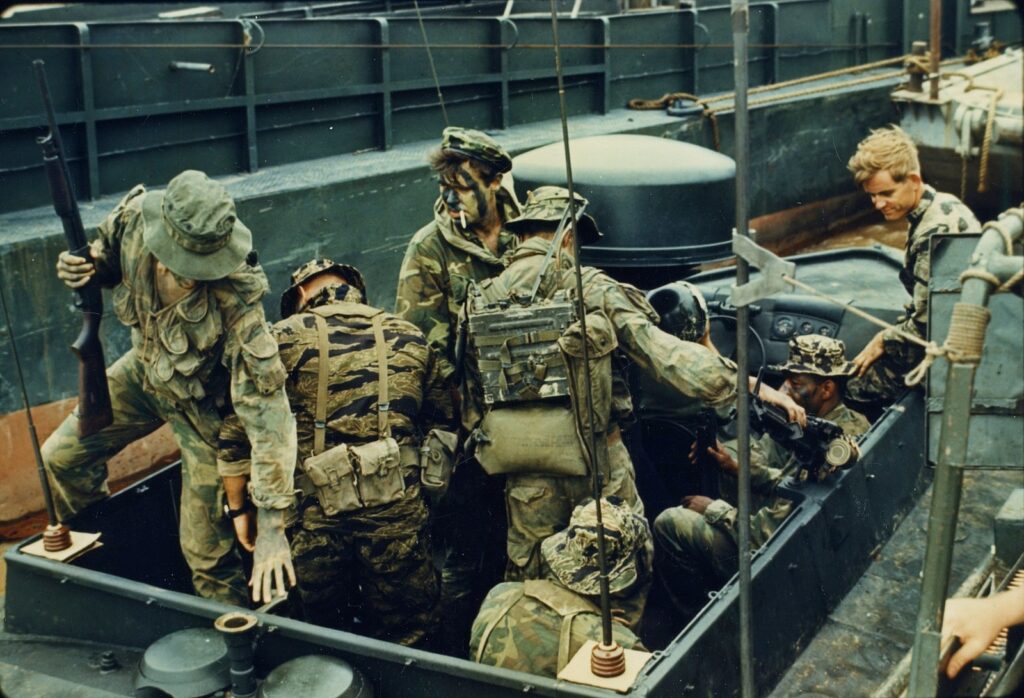
They maintained their steady stride into the Korean War and in numerous other conflicts around the world. The American military even used them in the early days of Vietnam, and they were a common weapon amongst America’s Vietnamese allies.
Yet, when the M16 hit the jungle, submachine guns were more or less replaced. However, they managed to remain useful for special operations troops for decades after the adoption of the M16, but even in those units, they started seeing less use with the adoption of various M16-based carbines.
The modern submachine gun
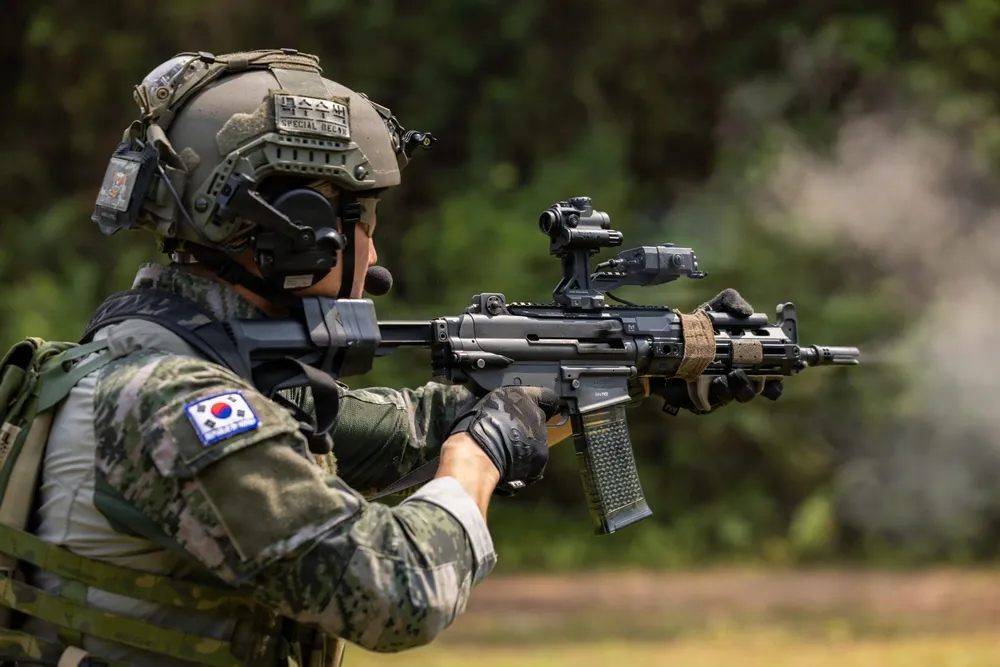
In a modern military force, the submachine gun doesn’t make a lot of sense as a general-issue weapon; and in the U.S. military, submachine guns are extremely limited in their use. But that doesn’t mean there isn’t a place for them at all.
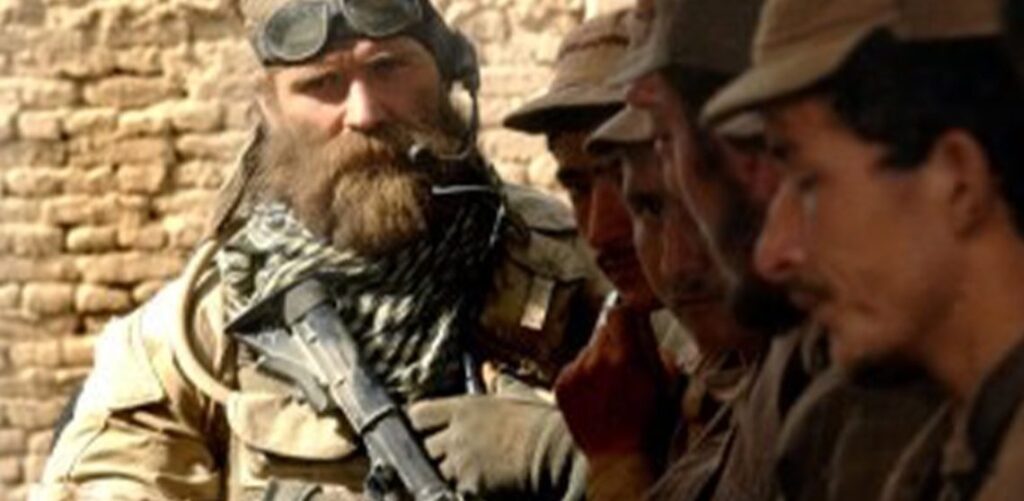
These guns are, nowadays, typically reserved for special operations forces; for example, the HK UMP and HK MP5 made appearances in Iraq and Afghanistan.
Notably, operators fielded these weapons for low-visibility operations, as they had folding or collapsing stocks that made them extremely compact and, therefore, easier to stash and store.
Even though, at that time, the extremely short Mk 18 did exist, it was tough even for special operations troops to get them in large numbers. Yet, as the Mk 18 became more available, the already limited use of submachine guns became even more limited.
Some of the last use cases for SMGs were as weapons for assaults inside specialized areas, like planes, where the commandos would want lower penetration than a rifle round offered; the 9mm’s lower ballistic performance was a big benefit to these specialized missions.
Related: The highjacked-aircraft hoax that alerted Delta Force
The last of the submachine guns
The submachine gun still serves with some special operations units.
The Navy SEALs famously still use the HK MP7, which doesn’t fire a pistol round, but a 4.6x30mm cartridge. (If you’re pedantic, the MP7 is a PDW, not an SMG.) The MP7 offers greater range, less recoil, and, with the right ammo, soft-armor penetration capability.
The MP7 seems to be reserved for roles where even a short carbine would be difficult to field.
DEVGRU isn’t releasing details on how the MP7 is used, but if I were a betting man, I’d say it’s given to anyone who may only have one hand to dedicate to their weapon, for example to dog handlers, the first guys climbing a rope from ship to ship, the guy carrying the breaching ram, and other specialized roles.
For extremely close combat, the weapon is superbly short and maneuverable, but also easy to control and field. I can only speculate on how often it’s used, but I’d say it’s probably fielded rarely and only for special situations.
The U.S. Army purchased a small number of B&T APC9K submachine guns a few years ago. This is a fairly standard 9mm submachine gun that’s extremely well made. The Army is issuing small numbers of these weapons to Soldiers acting as bodyguard detail for VIPs. They might also be seeing use inside vehicles, for low-visibility operations and extremely close-quarters combat.
Most firearm categories will never fully die out, but they will be pushed rearward as certain firearms get better. The submachine gun is one of those firearms: it’s still useful, but in an incredibly niche space. When you need something that’s extremely short, capable of full-auto fire, and easy to suppress, the SMG has your back.
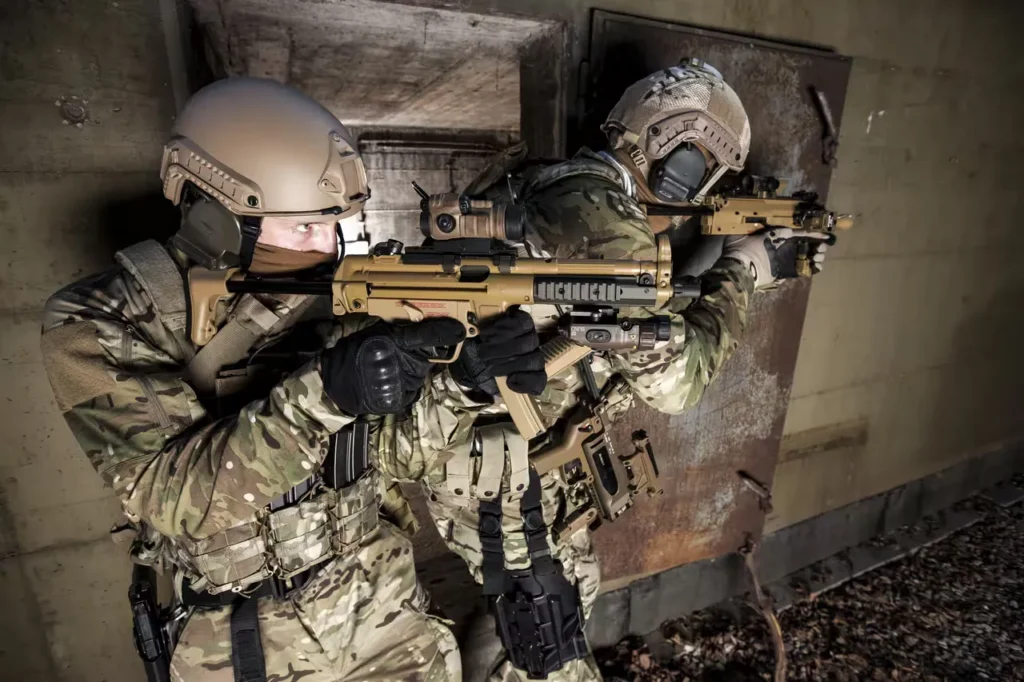
Feature Image: Troops wielding the HK MP5 during training. (HK)
Read more from Sandboxx News
- The birth of stealth: How defeating radar became the way of war
- To counter China’s navy, Marines create their first medium missile battalion and equip it with NMESIS
- The only foreign jet ever to lock onto the SR-71 Blackbird also came to its rescue
- Ukraine’s eastwards counterattack is proving successful thanks to artillery
- Vikings against Russians: Scandinavian and American commandos train to fight in the High North