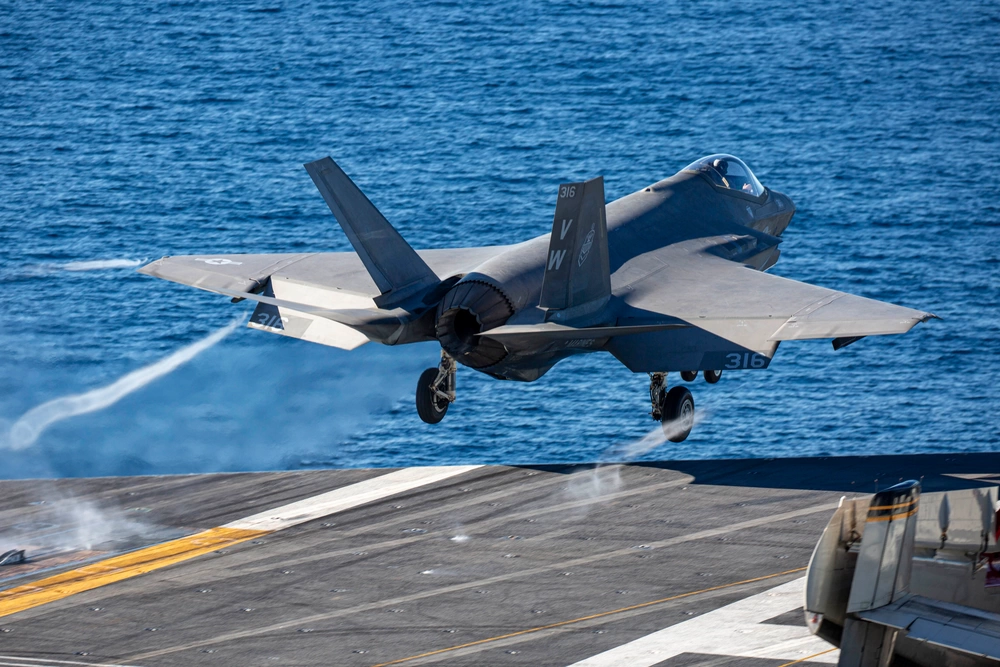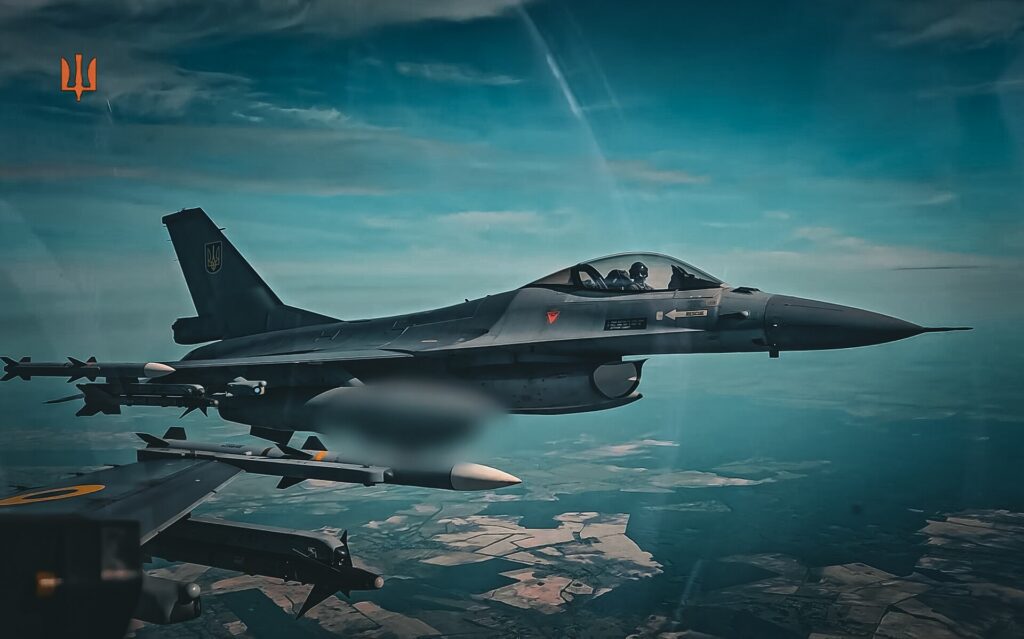
Should Canada just operate a mixed fleet of Gripens and F-35s to get the best of both worlds? It’s a great question, and one many in the Canadian government are wrestling with right now. Operating multiple types of fighters is common for some countries, like the United States, but it probably wouldn’t work out for Canada.
Canada is considering canceling its plans to buy more F-35s in favor of Swedish-built Gripen Es instead. Otawa is already under contract to purchase 16 F-35As. But the decision it has to make now is whether or not it should complete their purchase of 72 more F-35s, or if they should divert that funding to Saab, ultimately leading to Canada operating a small fleet of F-35s alongside a larger fleet of cheaper, less capable Gripens.
This is usually called a “mixed fleet” or a “high-low mix,” and is exactly how the United States structures its own fighter acquisitions. Yet, rather than being a proof of concept for Canada, the example of the U.S. might actually point to why a mixed fleet would be bad news for the Canadian defense apparatus.
When you’re choosing what jets to put into your fighter fleet, there are two primary considerations you’ve got to base your decision on: capability and capacity.
Capability refers to what you need your fighters to be able to do. This shouldn’t be a wish list, but rather an objectively realistic assessment of the specific roles your fighters have to fill in both defensive and offensive operations. Put simply, the “capability” question really comes down to just how good you need your fighters to be to fulfil your strategic objectives.
Capacity, on the other hand, refers to how many fighters you need to meet your defense requirements. It doesn’t matter how good a fighter jet may be since it can still only be in one place at a time. If you need to defend a great deal of territory, deter an adversary with significant numbers of tactical aircraft, or you regularly deploy units to overseas theaters, you need to crunch the numbers and determine exactly how many jets it would take to do the job you need them to do.
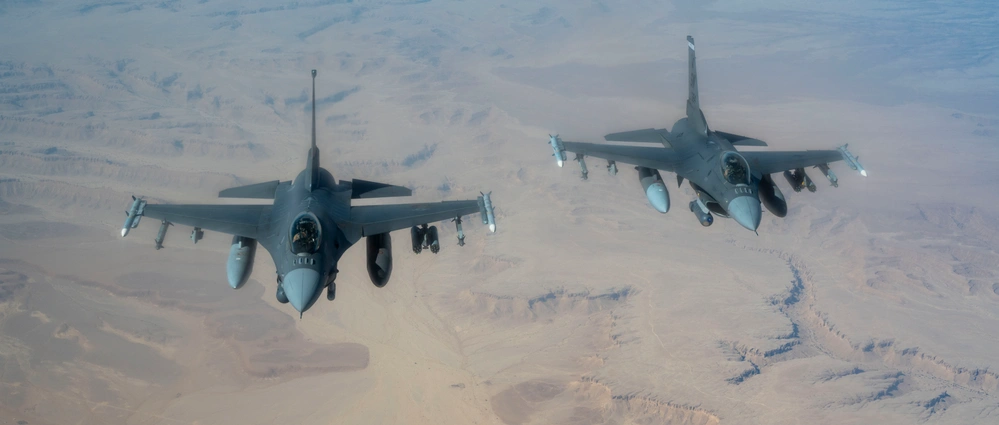
If money were no object, you’d just choose the best fighter on the market and then buy enough of them to meet your capacity needs, but even the United States, with its massive defense expenditures, can’t afford to build and operate enough 5th-generation fighters to be everywhere it needs them to at once. So, the U.S. operates a mixed fleet that includes high-end stealth fighters like the F-22 and F-35, along with more affordable non-stealth 4th-generation fighters like the F-15, F-16, and F/A-18. Not every mission requires stealth, and stealth jets are generally more expensive to operate, so they’re tasked with the higher-risk jobs while the older, non-stealth fighters fill roles that don’t require being sneaky, like air policing and deterrence presence operations.
A high-low mix can be a great way to meet both capability and capacity needs.
However, mixed fleets aren’t all good news, especially for Canada which spends less than 1/20th the money on defense as the United States do.
Operating and maintaining any fighter jet takes a lot of personnel, equipment, and specialized infrastructure – operating two different kinds of fighter jets means doubling everything you need to achieve that.
Tellingly, there are six military occupational specialties, or Air Force jobs, specific to maintaining the F-35, and there are a similar number of specialties for the Gripen. Therefore, if a country would operate two different fighters simultaneously, it would need to operate a minimum of two separate aircraft training pipelines, each with a minimum of six curricula for different roles. Further, both the F-35 and Gripen are maintained and repaired with a long list of highly specialized equipment, which you’ll need to purchase, establish support and supply chains for, and train additional technicians to maintain and repair.
Related: Does it make sense for Canada to get Gripens instead of F-35s?
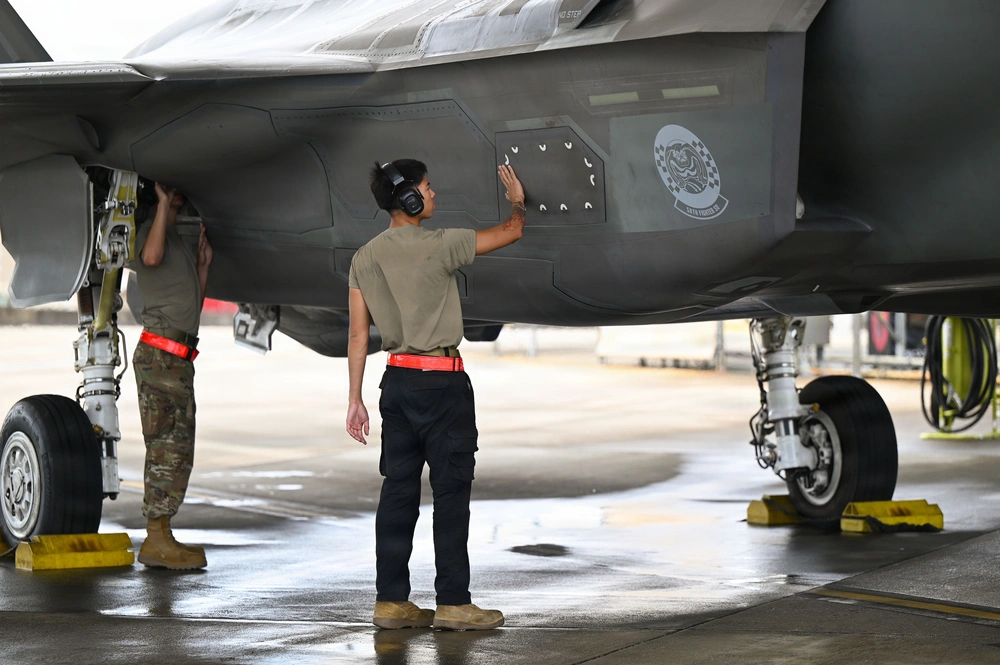
Additionally, the F-35s are riddled with classified technology, so they have very specific basing requirements with classified areas to work on different onboard systems, and you’ll also need facilities for repairing or re-applying radar absorbent coatings. Gripens may not need these sorts of specialized structures, but they will need facilities of their own.
Mixed fleets look great from a procurement standpoint, because you can reallocate a large amount of money (like Canada’s $27 billion currently slated for the F-35 program) and divvy it up amongst different platforms until you’ve got an awesome one-two punch of fighter aircraft. However, the disadvantages of a mixed fleet become apparent when you start considering all the expenses associated with doubling your training pipelines, logistics chains, equipment purchases, and facility requirements.
The reason why America is able to sustain a mixed fleet so well is because it relies on the secret weapon that’s kept it atop the military head for the better part of the last 80 years: heaps and heaps of money.
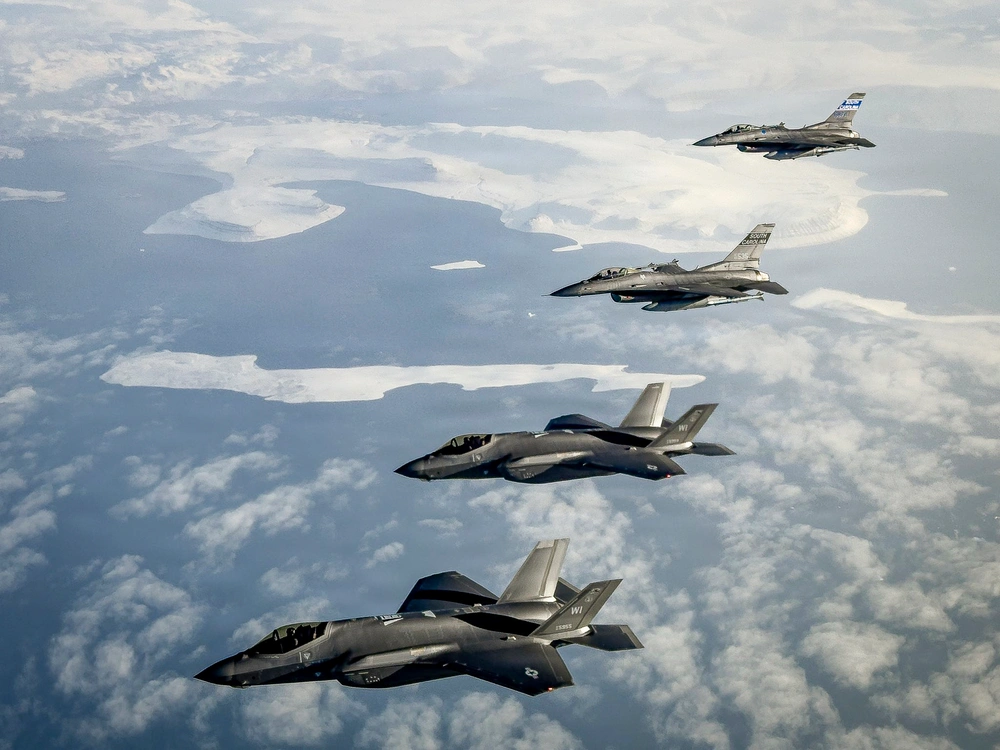
Feature Image: North American Aerospace Defense Command F-35 Lightning II aircraft with the Wisconsin Air National Guard’s 115th Fighter Wing, F-16 Fighting Falcon aircraft with the South Carolina Air National Guard’s 169th Fighter Wing, and a KC-135 Stratotanker aircraft with the Wisconsin Air National Guard’s 128th Air Refueling Wing fly over Greenland Oct. 7, 2025. (U.S. Air National Guard photo by 2d Lt Cameron Lewis)
Read more from Sandboxx News
- How pagers became a status symbol for Delta Force operators
- Space is increasingly looking like a key battlefield in future military conflicts
- The special operations helicopters of the Vietnam War
- Netflix’s “MARINES” documentary humanizes the Marine Corps and is worth your time
- Does it make sense for Canada to get Gripens instead of F-35s?