Operation Epic Fury is nearing its third week. The U.S. military continues to dismantle Iran’s military and defense infrastructure with the goal of destroying Tehran’s ability to produce a nuclear weapon as well as threaten U.S. national security interests in the region.
In the first 11 days of the conflict, the U.S. military has been successful. But that military success does not guarantee a political victory that will solve the issue of a belligerent Iran for the foreseeable future.
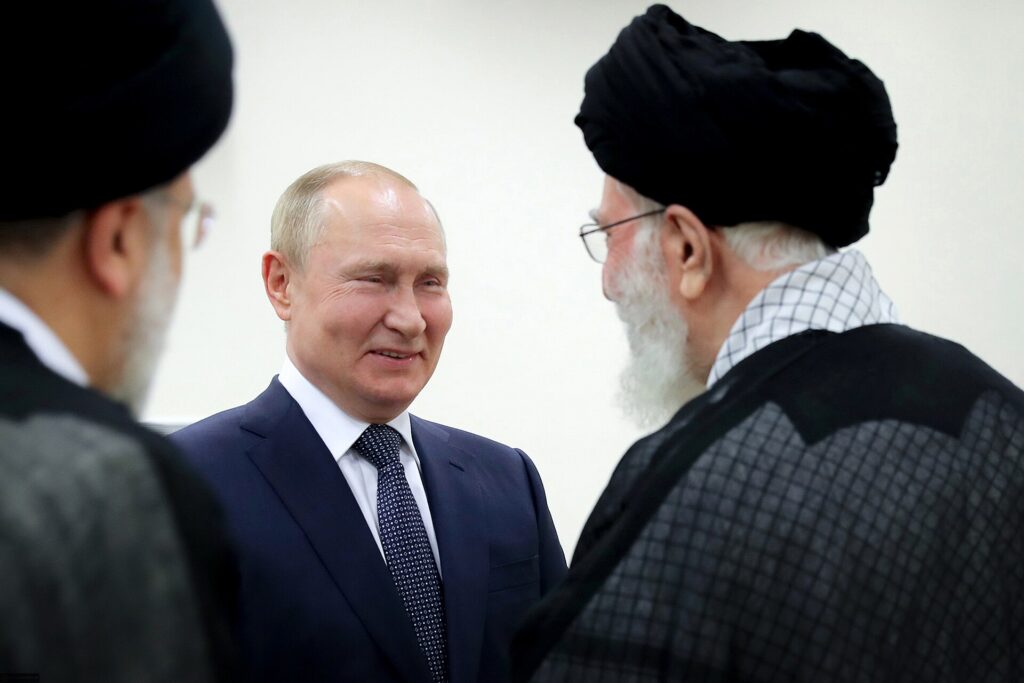
The initial phase operations sought to decapitate the Iranian leadership; destroy the Iranian military’s command and control structure; suppress Tehran’s air defenses in order to pave the way for air superiority; and limit Iran’s ability to strike with ballistic missiles and drones against U.S. and Israeli forces and regional allies and partners. The opening phase was very successful, taking out Iran’s Supreme Leader Ayatollah Ali Khamenei, the Commander of the IRGC Ground Forces Mohammad Pakpour, the Minister of Defense Aziz Nasirzadeh, and Deputy Minister of Defense Hossein Jabal Ameli, among other senior Iranian officials.
In the next phase of Operation Epic Fury, the U.S. military and Israel Defense Forces (IDF) are seeking to dismantle Iran’s defense industrial complex, particularly Tehran’s ability to design, manufacture, and produce ballistic and cruise missiles, as well as kamikaze drones. Moreover, allied aircraft and warships are now striking Iran’s energy infrastructure.
However, there might be a rift between the U.S. and Israel regarding the tactics involved in the operation.
According to reports, the White House was not pleased by the scale and widespread destruction caused by Israeli strikes over the weekend, which destroyed approximately 30 oil and fuel depots in and around Tehran. Energy prices are surging, and widespread attacks on oil infrastructure could increase prices but also rally ordinary Iranians to the regime’s cause.
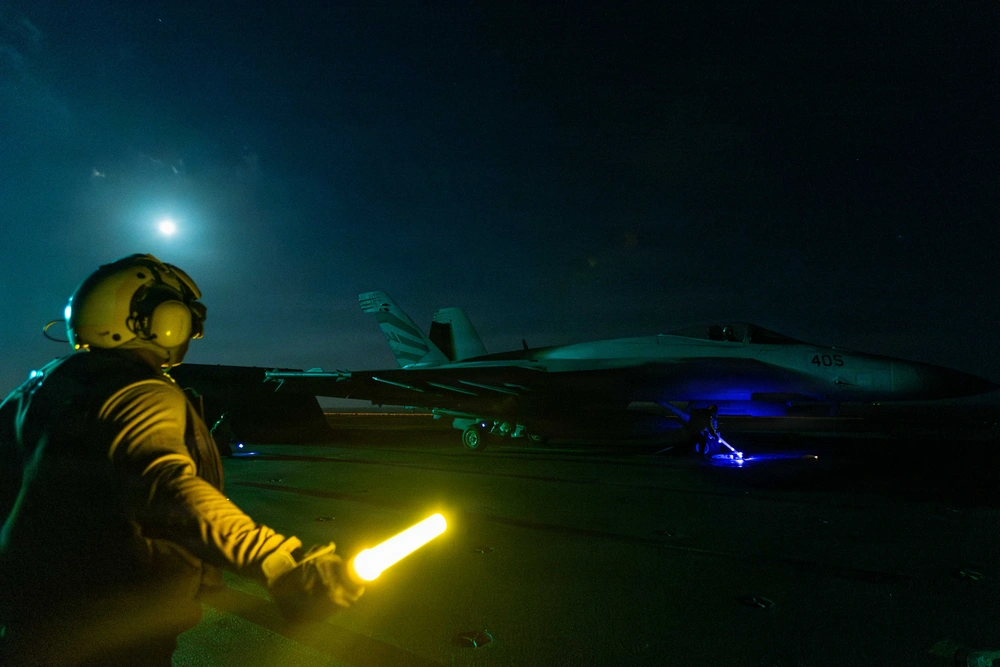
The earlier suppression of Iran’s air defense umbrella allows U.S. and Israeli aircraft to operate more freely and use a wider gamut of munitions. In the first 36 hours, American forces launched over 920 munitions of more than 11 types, including GBU-31/32/38 Joint Direct Attack Munitions (JDAM), BGM-109 Tomahawk land-attack cruise missiles, AGM-88 HARM/AARGM-ER anti-radar missiles, AGM-114 Hellfire munitions, MGM-140 and PrSM short-range ballistic missiles, and GBU-57 Massive Ordnance Penetrators (MOP).
According to the latest data released by the U.S. Central Command (CENTCOM), U.S. and Israeli forces have struck over 5,000 targets, destroying or damaging more than 50 Iranian warships – including the first submarine kill for the U.S. Navy since World War II – and effectively destroying Iran’s air force.
It is undeniable that the U.S. military is delivering another impressive performance in Iran. Beyond the persistent and annoying threat posed to peace and security in the region by Iranian ballistic and cruise missiles and one-way attack drones, the Iranian military has failed to truly challenge the U.S. military.
But these tactical victories do not translate to a strategic victory. A clear end-goal is necessary, as well as a clear path to get there. As the famous Prussian strategist Carl von Clausewitz said, “war is the continuation of policy by other means.” The military operations against Iran are not the end, but rather the means to an acceptable political situation where Iran will not pose a regional threat. The U.S. can win on the battlefield but lose the war.
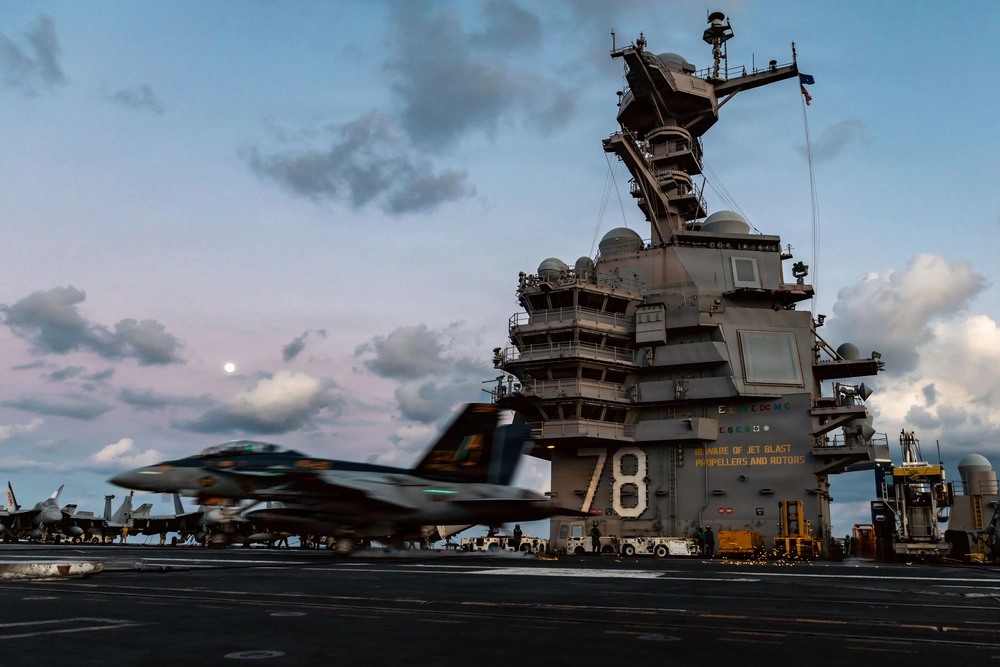
Feature Image: An F/A-18F Super Hornet aircraft, attached to Strike Fighter Squadron 213, lands on the flight deck of the world’s largest aircraft carrier, USS Gerald R. Ford (CVN 78), while operating in the Eastern Mediterranean Sea in support of Operation Epic Fury, March 2, 2026. (U.S. Central Command Public Affairs)
Read more from Sandboxx News
- What is America’s Tanker Security Program that saw one of its ships getting hit by Iran?
- The Marine Corps is keeping the M27 rifle – and that’s a good thing
- The LUCAS drone is a needed addition to America’s arsenal despite its modest capabilities
- Raytheon to increase production of its SM-6 all-purpose interceptor missile by 300%
- German military goes against tradition and chooses a non-German weapon as its new handgun