As the joint American and Israeli offensive against Iran stretches past its fourth week, Iran has maintained a stranglehold on the strategically vital Strait of Hormuz.
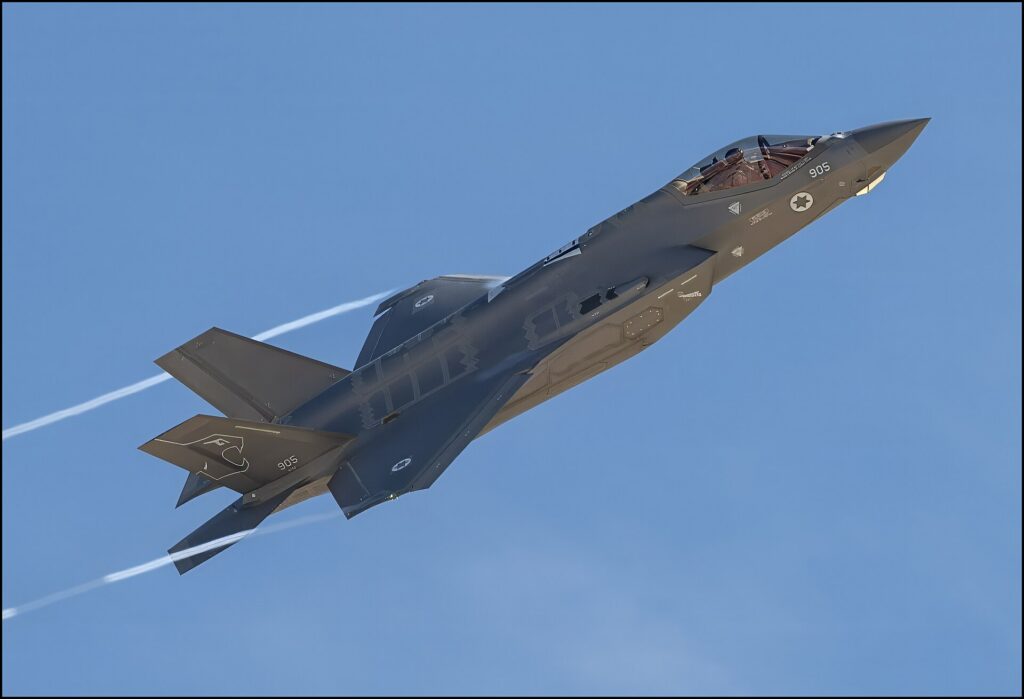
Iran’s conventional military capabilities have taken an absolute pounding over the past four weeks, with more than a reported 10,000 targets struck by U.S. forces alone. American aircraft have flown hundreds of combat sorties into Iran daily for nearly a month, wiping out large portions of the nation’s integrated air defense network, and hunting for ballistic missile launchers, drone production facilities, IRGC fast-attack boats, and more.
With all this firepower bearing down from the sky, it might seem crazy that Iran is still able to maintain control over the Strait of Hormuz. But it’s much easier for Iran to threaten the flow of traffic through the strait than it is for American or allied warships to protect any tankers passing through. And the reasons for that come down to a combination of technology and geography.
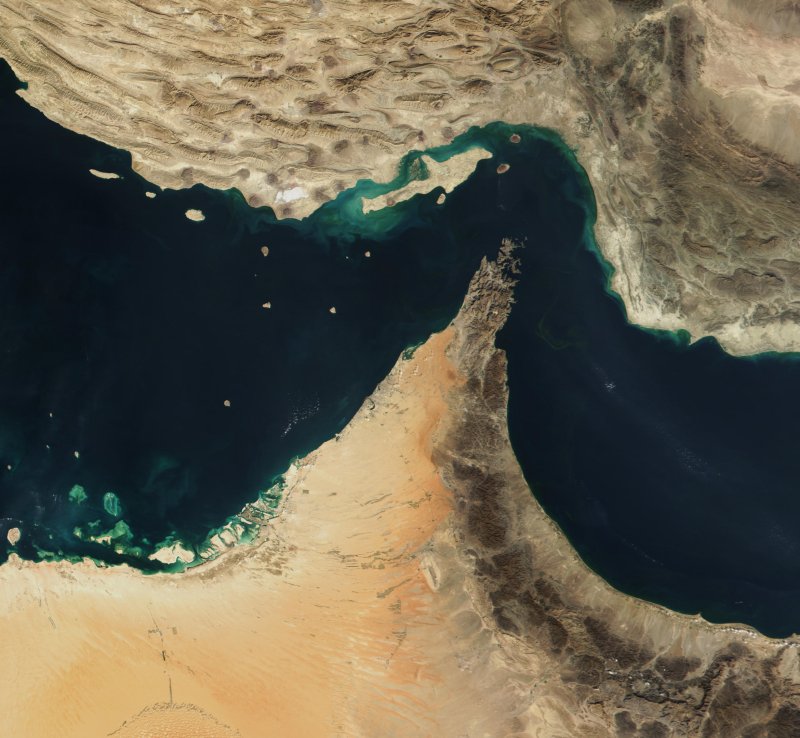
At its narrowest point, the Strait of Hormuz is only 24 miles wide, but the usable shipping lanes are even more narrow. That creates a natural chokepoint for ships passing through, which introduces two distinct kinds of threats to that traffic. The first is that well over 230 miles of Iranian coastline surround the narrowest point of the strait, so Iranian anti-ship missiles or drones could come closing in from nearly any direction. And the second is how the narrow waterway restricts movement, making it much harder to take any kind of evasive action when you realize a weapon’s headed your way.
Iran operates more than a half dozen different classes of road-mobile anti-ship cruise missiles, and at least two different types of anti-ship ballistic missiles, all of which have claimed ranges in the hundreds of kilometers. Therefore, it can hide the systems a hundred kilometers from shore and still hold ships at risk. Many of these weapons rely on radar, which can be jammed, but some, like the Khalij Fars (or Persian Gulf) ballistic missile employs an electro-optical seeker for terminal guidance, instead of a radar seeker, making it capable of closing with even moving targets in heavily jammed environments.
Finally, Iran can use its inexpensive Shahed kamikaze drones, which although they may be easier to intercept, can also be launched from much farther away.
These three types of airborne threats create a perfect storm for even well-defended warships: jet-powered cruise missiles closing in like fighter jets, hugging the terrain to mask their approach; ballistic missiles screaming in from high altitude at speeds well in excess of Mach 5; and kamikaze drones flooding the airspace overwhelm air defenses as they try to defeat the incoming threats. Even extremely effective air defense systems like those found in AEGIS-equipped warships have a saturation point, or the point at which there are just too many threats closing in to be able to engage them all.
Combine these capabilities with the Islamic Revolutionary Guard Corps’ fast attack boats, armed maritime drones, and potentially even mines, and we’re talking about a hornet’s nest, with pop-up threats potentially coming from nearly any direction and no room to maneuver when the fighting kicks off.
And most importantly, the oil tankers and cargo ships crossing the strait are commercial vessels and not military ones armed with anti-missile defenses and hardened crews of warfighters. Iran doesn’t need to actually destroy or sink every ship that passes through the strait to effectively close it: it just has to present a credible threat to ships considering the crossing. The larger tankers sailing through the strait carry two million barrels of oil, at a current price of over $100 a barrel this is over $200 million worth of oil in just one ship that would be at risk.
So, as long as Iran continues to demonstrate its ability to pop up and hit ships passing through the strait, it doesn’t matter if American airpower flies in right after and completely obliterates the launcher that did it. The world can’t know for sure if Iran’s got another one hidden just a bit further down the road, so most ships aren’t going to attempt the crossing.
And that’s how Iran is maintaining control over the Strait of Hormuz.
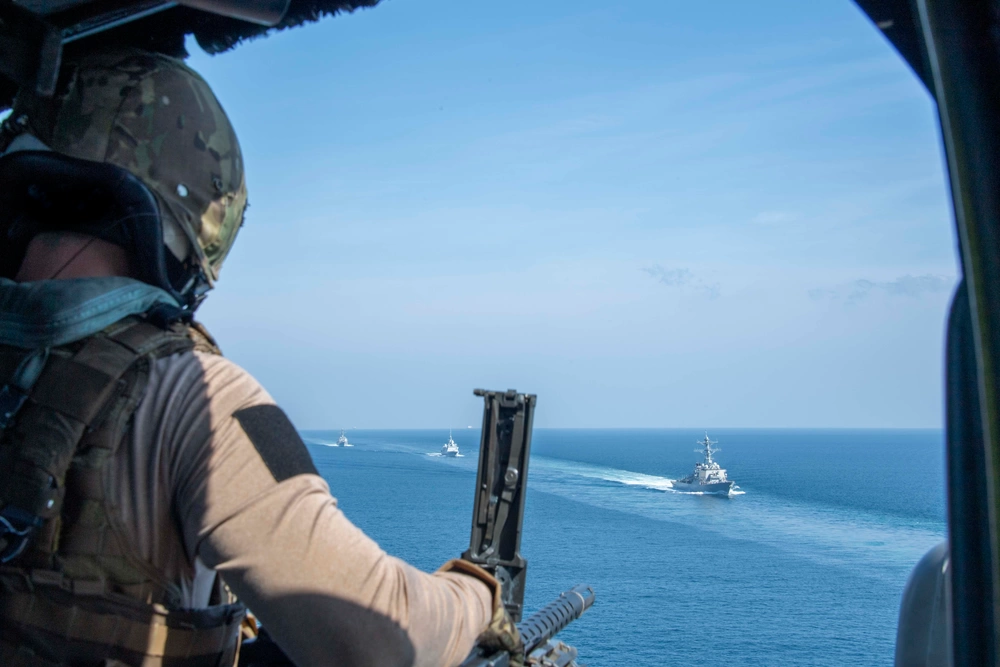
Feature Image: The Dwight D. Eisenhower Carrier Strike Group (IKECSG) transits the Strait of Hormuz on November 26, 2023. U.S. Navy photo by Petty Officer 2nd Class Merissa Daley)
Read more from Sandboxx News
- What actually happens when fighter pilots take off their masks?
- The real dangers of military AI systems aren’t the ones depicted in sci-fi
- Drones haven’t won the fight in Ukraine – and that matters as the West learns new ways of war
- The soldier who fought for three different armies
- These elite Marines combine tradition with special operations innovations