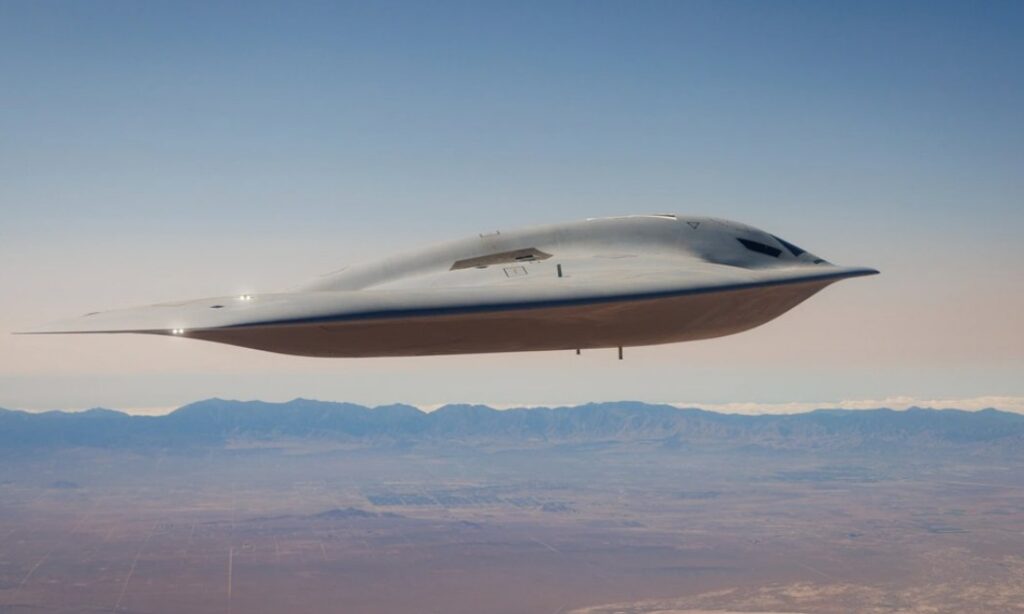
The Air Force and Northrop Grumman have agreed to expand the annual production capacity for the B-21 Raider stealth strategic bomber by 25%.
The expanded production capacity aims at accelerating the delivery of the Air Force’s next-generation stealth bomber aircraft. The agreement will use $4.5 billion in funding that has already been authorized and appropriated under last year’s budget.
“This is what disciplined acquisition delivers,” Air Force General Dale R. White, the director of Critical Major Weapon Systems and direct reporting portfolio manager to the Deputy Secretary of Defense, said in a press release.
“This decision reflects our confidence in the program’s performance and the stability of the industrial base. By increasing production capacity now, we are responsibly accelerating delivery of a critical, combat-effective capability to the warfighter,” White added.
Similar looking to the B-2 Spirit that it will replace, the B-21 is a sixth-generation stealth strategic bomber designed for long-range, deep penetration missions carrying both nuclear and conventional munitions. The goal of the aircraft will be to hold adversaries situated in contested and non-permissive environments at risk. The B-21 will also replace the B-1 Lancer.
“The B-21 is foundational to our long-range strike capability and to credible deterrence,” Secretary of the Air ForceTroy Meink stated.
“Accelerating production capacity now ensures we deliver operational capability to combatant commanders faster – strengthening our ability to outpace, deter, and, if necessary, defeat emerging threats. This is disciplined execution at the speed the security environment demands,” Meink added.
The Air Force unveiled the B-21 Raider in the closing days of 2022. The aircraft made its maiden flight in 2023. Today, there are several prototypes conducting flight tests, feeding Northrop Grumman with important data to improve the final product. The Air Force expects an operational capability before the end of the decade.
How many B-21s does the Air Force need?
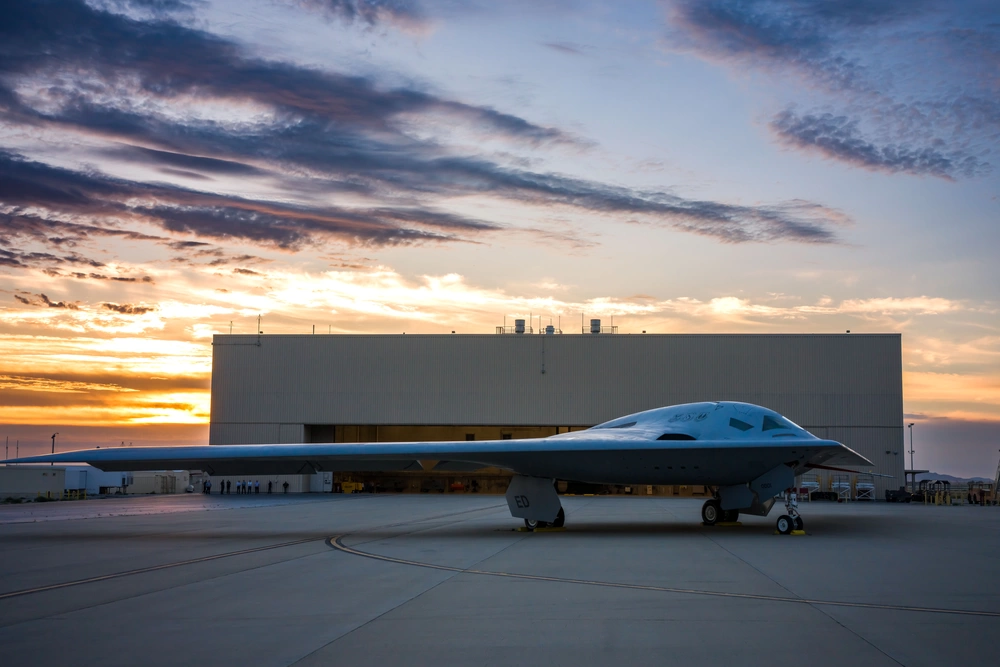
Despite the agreement for an expanded production, the Air Force has yet to decide the final number of sixth-generation strategic stealth bombers it wants. Currently, the Air Force has expressed the intention to purchase at least 100 B-21 Raiders, though is also considering buying as many as 145. But that number might still not be sufficient to support sustained near-peer operations against adversaries like China.
A recent report by the influential Air Force Association’s Mitchell Institute for Aerospace Studies titled Strategic Attack: Maintaining the Air Force’s Capacity to Deny Enemy Sanctuaries, recommends that the service instead purchase double the amount of B-21s is currently intends in order to be able to account for the natural attrition and fatigue that would result from sustained operations against a capable adversary.
A war with China will not be an in-and-out operation like Operation Midnight Hammer, the bombing of Iran’s nuclear weapon facilities, or Operation Absolute Resolve, the arresting and rendition of Venezuelan President Nicholas Maduro and his wife.
The Chinese military is very capable and has advanced weapon systems, including stealth fighter jets, bombers, and air defense systems. The U.S. military should expect considerable attrition in the event of a conflict.
The Air Force’s agreement with Northrop Grumman for expanded production is a step in the right direction for both the current demand and also in the event the service decides to double its order.
Read more from Sandboxx News
- DARPA’s new Longshot missile will begin testing this year, the agency says
- British Army’s new SONUS system will use acoustic pressure to track enemy artillery
- These five firearms died at the prototype stage, but their influence is still felt
- How fighter pilots plan combat missions
- When Delta Force’s Blackfeet Indian chief had a very unique highway encounter