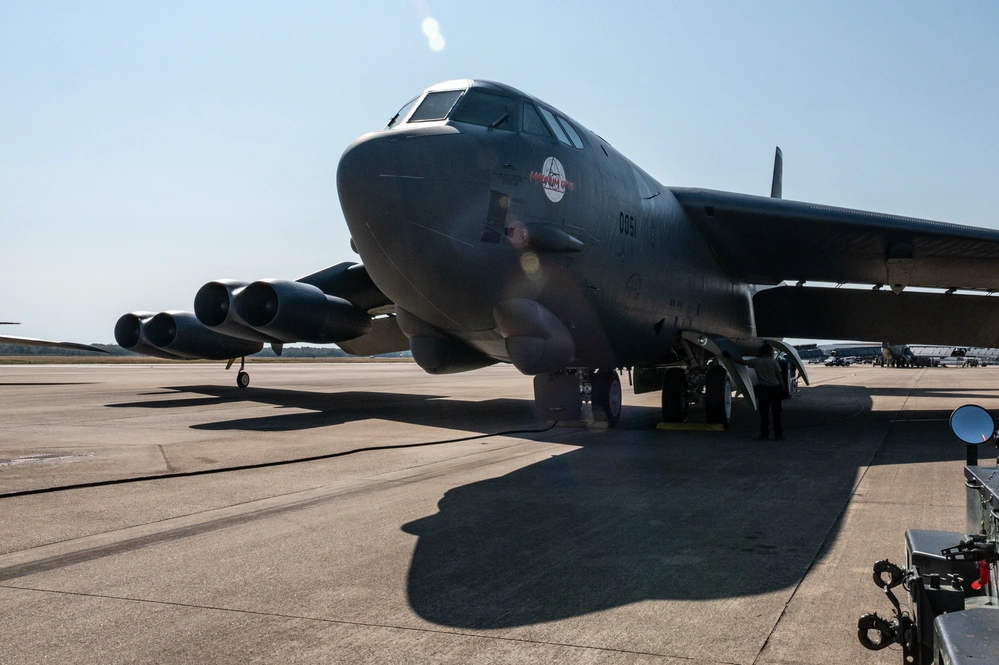
The Air Force signed a $2 billion contract to replace the 1960s engines that power the B-52 Stratofortress.
The project is part of the structural and technological upgrade of the B-52 strategic bomber fleet to meet the demands of the future.
The $2 billion contract is for the “B-52 Commercial Engine Replacement Program (CERP) Post-Critical Design Review (PCDR) Development.”
The B-52s’ new engine will be the Rolls-Royce F130; they will take the place of the old TF33 engines that have been powering the strategic bomber since the 1960s.
“The task order progresses the B-52 CERP program by completing system integration activities after Critical Design Review and modifying and testing two B-52 aircraft with new engines and associated subsystems,” the contract states.
The Air Force picked the Rolls-Royce F130 as the future engine for its fleet of 76 B-52s in 2021.
As part of the replacement, the aircraft will also receive new engine struts, electrical power generation systems, and engine cockpit displays.
Funding for the $2 billion contract will be incremental. In Fiscal Year 2026, the Air Force will pay Boeing approximately $36 million for the initial research, development, test, and evaluation portion of the project. Then, as the program proceeds forward, the payouts will increase until the contract value has been paid out or additional money is needed (a common occurrence in defense projects).
Work on the project will take place across the U.S., including in Oklahoma, Texas, Washington, and Indiana.
The finalized aircraft with new engines, sensors, and technology will be redesignated as B-52J. The Air Force expects the two redesigned B-52s to be ready by May 2033.
A venerable giant

Despite the B-52 nearing its eighth decade of life, the Air Force plans to keep the strategic bomber flying for several more decades. Indeed, the branch recently upgraded the B-52s’ radars as well.
The Air Force’s current plan is to have a two-tier strategic bomber fleet.
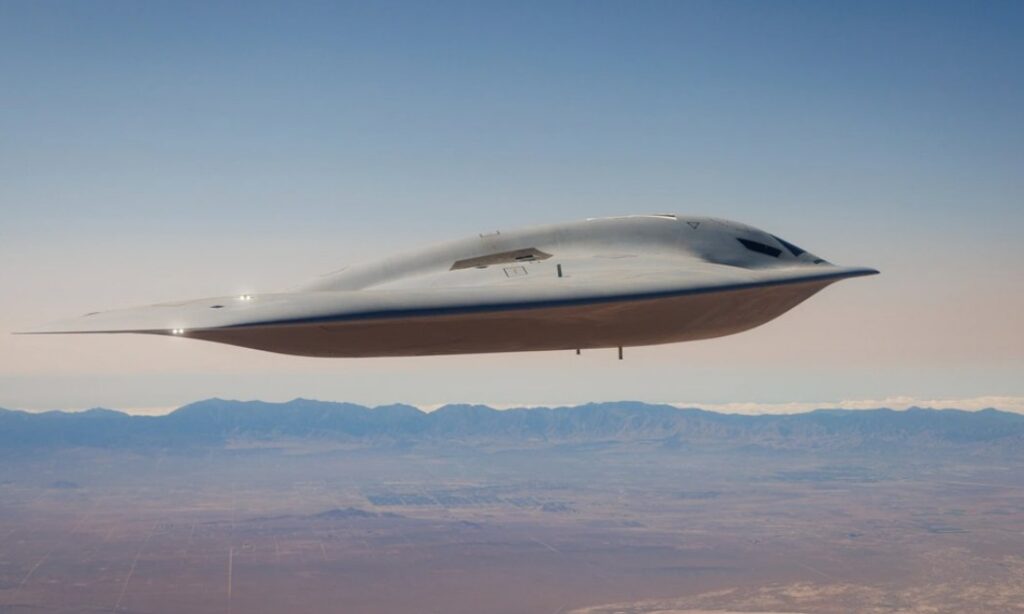
On the first tier, the incoming B-21 Raider sixth-generation stealth bomber will tackle the most pressing near-peer threats. For example, in a potential conflict with China, it would fall to the B-21 to penetrate the Chinese air defense umbrella and deliver munitions with deadly precision.
On the second tier, the venerable B-52 will provide global strategic bombing capabilities for contingencies of lower intensity. The B-52 fleet will also provide support against near-peer adversaries, but likely through the use of stand-off munitions.
The B-52 is a strategic bomber with a payload capacity of 70,000 lbs. It can deliver both conventional and nuclear munitions at targets nearly 9,000 miles away without refueling. The bomber has a speed of around 650 miles per hour (Mach 0.5).
What makes the B-52 a technological marvel is that the last of aircraft of its kind rolled off Boeing’s production line in 1962 and no others have been built since then. And although the active bombers have received several structural and technological updates, they are still the same aircraft that were built before the Vietnam War began in earnest, yet remain capable for today’s battlespace.
Read more from Sandboxx News
- CIA spies in Venezuela used high tech drones and insider info to map Maduro’s compound and movements
- This is FBI’s elite team that joined Delta Force in Venezuela
- US military captures Maduro following spectacular special operation in Venezuela
- The Marine Corps’ best Christmas present was a new class of landing ships
- Military buys more Mossberg 590A1 shotguns but chooses odd barrel length