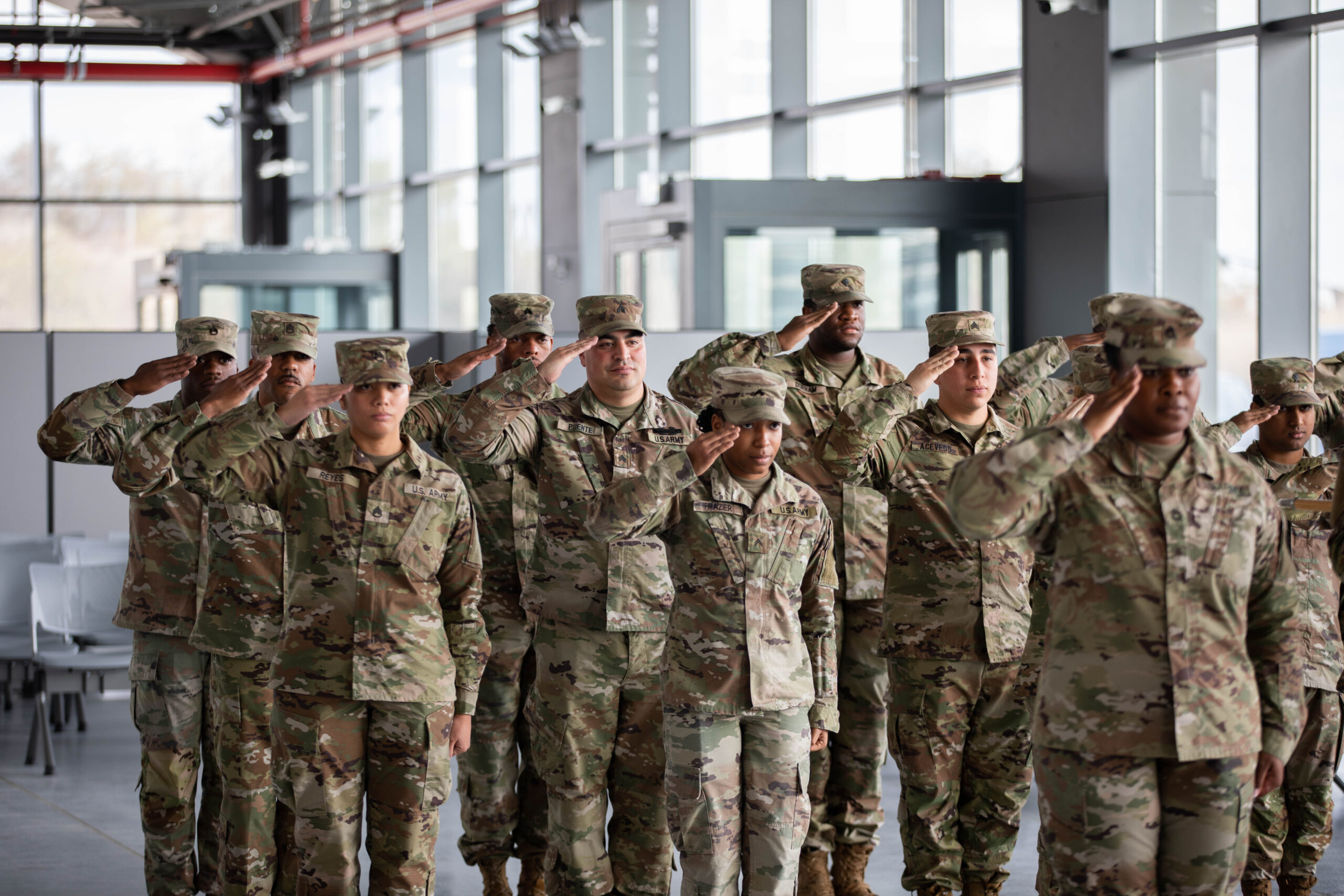
Army Basic Combat Training (BCT) is built to transform civilians into Soldiers through a series of mental, physical, and emotional challenges. For families back home, it can feel like a mystery—but there are key milestones you can track and celebrate from afar. BCT is 10 weeks and offically starts after they depart the Recpetion Battalion. Knowing these moments helps you understand what your Soldier is facing and when to send that extra letter of encouragement, a note of pride, or a reminder that someone back home is cheering them on.
Reception Week: Processing and Prep
Before BCT officially kicks off, your Soldier spends several days at Reception Battalion completing medical screenings, paperwork, receiving uniforms and gear, and learning the rules and expectations ahead. It’s slow, it’s administrative, and it’s necessary. Letters usually don’t start flowing until after this phase is complete, but this is where the stage is set for everything to come.
Yellow Phase: Adapting to Army Life
This is the first phase where your Soldier begins adapting to Army life, learning about discipline, teamwork, Army programs, traditions, and the Army Values—Loyalty, Duty, Respect, Selfless Service, Honor, Integrity, and Personal Courage. Physical and tactical training begins here, as well as obstacle courses that push confidence and teamwork to new levels.
Red Phase: Learning to Follow
Now things get intense. Your Soldier sharpens discipline, masters drill and ceremony, adjusts to the physical demands of strict structure, and takes on team-building challenges. The highlight—and sometimes the most nerve-wracking moment—is the Confidence Chamber, also known as the gas chamber. Wearing protective masks, they step into a sealed room filled with CS gas, remove the mask, recite their personal info, and exit coughing and blinking but proud. It’s a test of trust, grit, and following instructions under pressure—something they’ll talk about for years.
White Phase: Weapon Skills and Self-Confidence
Here’s where the training turns tactical. Your Soldier learns to handle and fire the M4 rifle, spends long hours at the Rifle Range, improves physical fitness, and builds deeper teamwork. Qualifying on the rifle is a huge milestone—one that fills them with pride and truly makes them feel like a Soldier in the making.
Blue Phase: Leadership and Final Challenges
In the final stretch, your Soldier steps up as a leader, applies everything they’ve learned, and prepares for the ultimate test—The Forge. This multi-day field exercise pushes them through long ruck marches, sleeping in the field, operating under combat-like conditions, and completing physical and tactical challenges. When they finish The Forge, they earn the right to be called Soldiers, often marked by receiving their beret or patch in an emotional rite of passage.
Last Call
Basic Training is not one long blur—it’s a series of hard-earned milestones, each one shaping your Soldier into a leader ready to serve. From the sting of the gas chamber to the pride of rifle qualification and the grit of The Forge, every challenge builds confidence, skill, and purpose. They’re earning far more than a uniform—they’re earning the honor to wear it. And you? You’re part of that transformation every step of the way.
I’ll be back next week with another update and tips for the journey ahead.
Hooah!
SGM Kris Broadus, U.S. Army (Retired)